
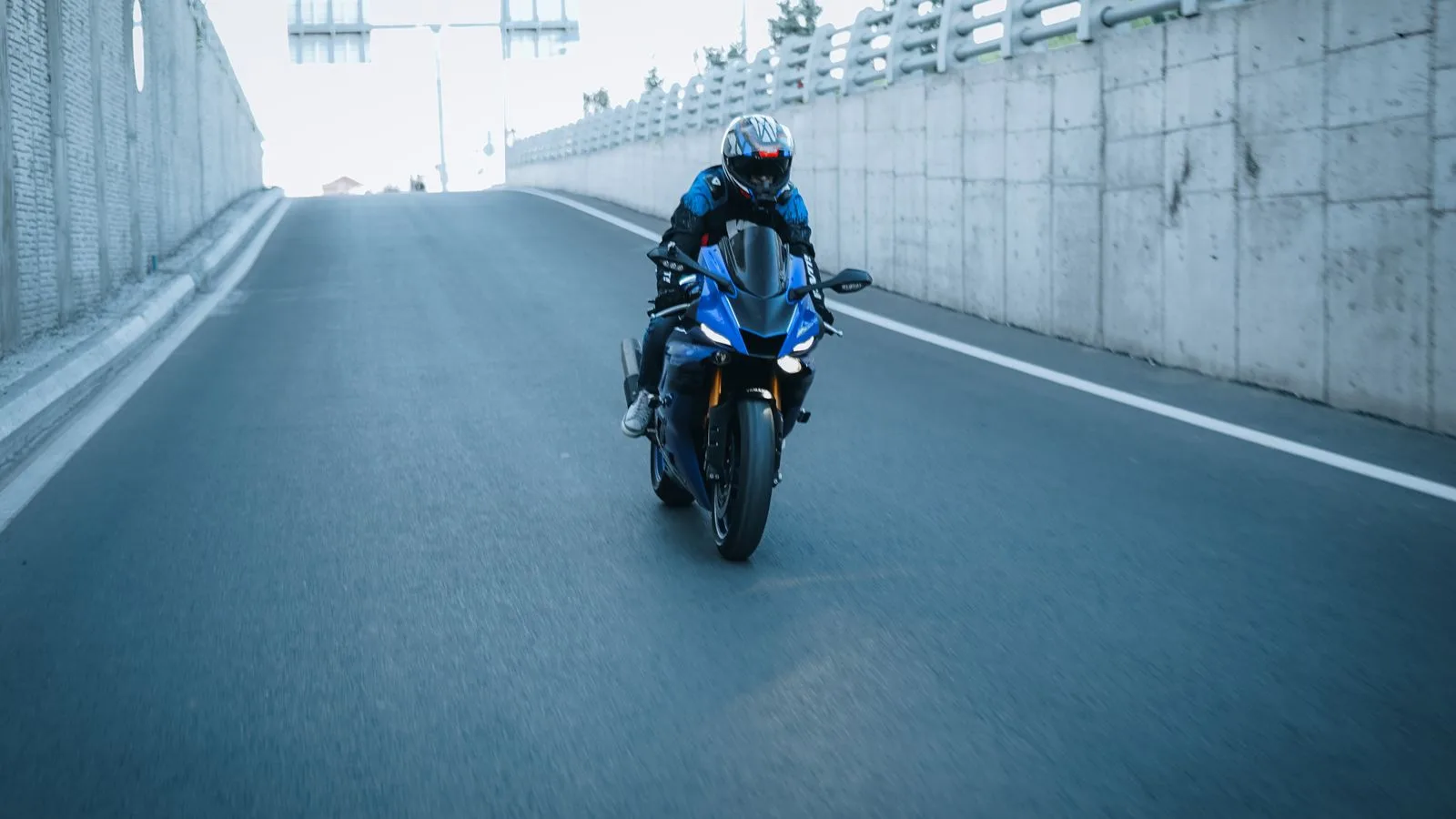
Bastrop · Motorcycle Accident
Bastrop Motorcycle Accident Lawyer
A motorcycle accident claim in Bastrop County is a fault-based personal injury case governed by the same Texas proportionate-responsibility rules that apply to any vehicle crash, but with two compounding factors: the absence of any protective barrier means even moderate-speed impacts on SH-21 or the rural FM roads cause severe orthopedic and neurological injuries, and juries in Bastrop County, like everywhere in Texas, often arrive with skepticism toward riders that must be countered with solid documentation. Recovery is possible as long as the rider's fault does not exceed 50%, and the case files under the two-year deadline of Tex. Civ. Prac. & Rem. Code § 16.003.
Why Bastrop cases are different
Bastrop's mix of weekend recreation traffic on SH-21 toward Bastrop State Park and the Lost Pines area, fast-moving SH-71 commute lanes, and rural FM roads with limited shoulders creates the exact conditions where motorcycle riders get hurt. These cases also have to overcome the rider bias that shadows Texas motorcycle claims.
Left-turn, lane-change, and rural-road hazards around Bastrop
The crash types that injure riders here track Bastrop's road profile. On SH-71 and at the SH-21 intersections toward Cedar Creek, the classic motorcycle wreck is the left-turning driver who misjudges an oncoming rider's speed, or the lane-change driver who never saw the bike beside them. On the FM roads serving the Lost Pines and Pine Forest communities, the hazards are different: limited shoulder space, mixed agricultural and commuter traffic, loose surface material, and fall-and-winter fog that cuts visibility on the rural stretches. Recreation traffic heading to Bastrop State Park on weekends adds unfamiliar drivers to those same roads. Because a rider has no crumple zone, the same impact that dents a car door produces orthopedic fractures, road rash, and closed-head injuries, which is why these files so often follow the local trauma-transport chain toward the Level I center in Austin.
Confronting rider bias before a Bastrop County jury
Texas motorcycle cases carry an unspoken assumption that the rider was speeding, weaving, or otherwise at fault, and that bias can shape how an insurer values a claim and how a jury hears it. The Chapter 33 proportionate-responsibility system and the 51% bar make this dangerous, because if a defense convinces a jury the rider was mostly to blame, the recovery shrinks or disappears. Bastrop County draws a more rural and suburban jury pool than urban Travis County, with its own valuation tendencies, so the work is to replace assumption with documented fact: the crash reconstruction, the at-fault driver's failure to yield or check a blind spot, helmet and gear evidence, and the physical evidence from the Bastrop County Sheriff's Office investigation. Building that record early, before the rider-fault narrative hardens, is the core of these cases.
More in Bastrop
Other ways we help Bastrop injury victims.



Frequently asked
Bastrop motorcycle accident questions
- Rider bias is real and it affects how claims are valued. The counter is evidence: scene reconstruction, the at-fault driver's failure to yield or check a blind spot, witness accounts, and the Bastrop County Sheriff's Office investigation. Establishing those facts early, before the assumption that the rider was speeding takes hold, is essential under Texas proportionate-responsibility rules.
- Left-turn collisions, where a driver misjudges an oncoming rider's speed, and lane-change crashes, where a driver never saw the bike, dominate on SH-71 and the SH-21 intersections. On the rural FM roads, limited shoulders, loose surface material, mixed agricultural traffic, and seasonal fog add hazards that are especially dangerous for two-wheel riders.
- It can be raised, but Texas law does not automatically bar recovery over helmet use. The defense may argue it under proportionate responsibility to shift some fault, particularly for head injuries. The decisive issue usually remains who caused the crash. We document the at-fault driver's conduct so the case turns on liability, not on a helmet-use argument.
- Yes. FM-969 runs through Bastrop County, so a crash there files in the Bastrop County district courts at the historic courthouse in downtown Bastrop. Rural FM-road crashes can involve limited witnesses and no surveillance, so preserving physical evidence, skid marks, and any available vehicle data quickly is particularly important on these more isolated stretches.
- It can strengthen the foreseeability argument. SH-21 near Bastrop State Park carries high weekend tourism volumes from drivers unfamiliar with the road. A driver who turns across a motorcycle in that corridor knew or should have known that mixed traffic, including motorcycles, was present. That contextual fact supports the argument that a reasonable driver would have exercised greater caution before turning.
- The two-year statute of limitations under Tex. Civ. Prac. & Rem. Code § 16.003 is the outer deadline, but the practical window is shorter because the crash reconstruction evidence, tire-mark documentation, and any roadway surveillance data degrade quickly. If a governmental entity such as the City of Bastrop or a county road department contributed to the hazard, the Texas Tort Claims Act requires a six-month notice before suit.
Where we work from
Downtown Austin. Bastrop clients welcome.
Our office is in downtown Austin; we represent Bastrop-area clients statewide and travel to Bastrop for case-specific needs (scene visits, medical-records consultations, court appearances). Home and hospital visits when injuries make travel difficult.
Talk to a Bastrop motorcycle accident lawyer.
Free case review, no obligation. We'll tell you straight whether we can help.