
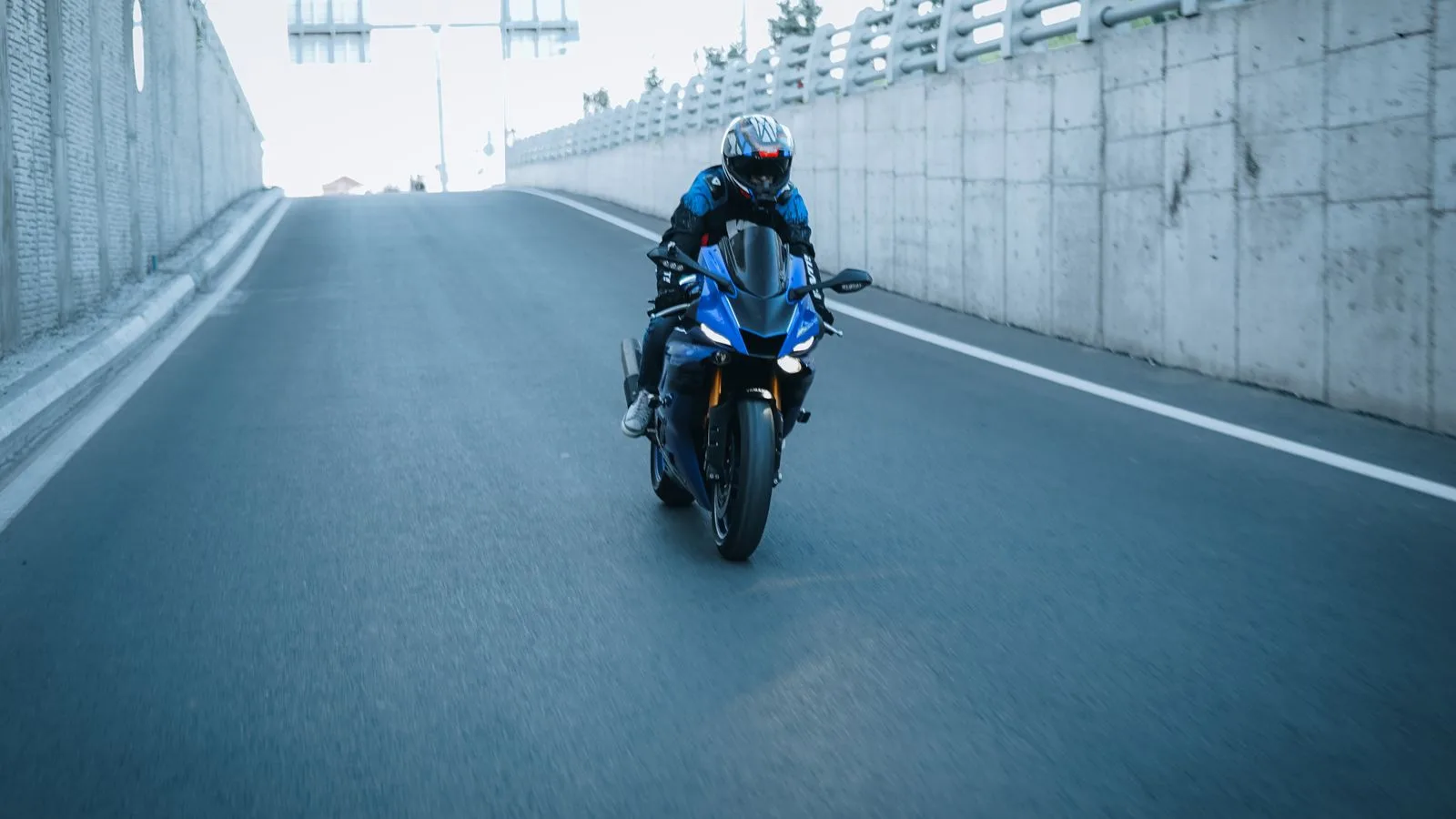
Corpus Christi · Motorcycle Accident
Corpus Christi Motorcycle Accident Lawyer
A motorcycle accident claim in Corpus Christi follows Texas fault-based negligence rules, where the injured rider must show the other driver's negligence caused the crash, subject to the Chapter 33 modified comparative fault framework that reduces recovery by the rider's share of fault and bars recovery entirely at 51 percent or more. The JFK Causeway, the Harbor Bridge approach, and the high-volume interchanges on SPID at Staples, Airline, and Everhart are the corridors where Corpus riders are most exposed: wind conditions and high-density freight traffic create hazards that do not exist in inland cities. Serious injuries are treated at CHRISTUS Spohn Memorial and the orthopedic follow-up practices along the coastal bend. Texas's two-year statute under § 16.003 applies, and any claims against a governmental entity require Tort Claims Act pre-suit notice.
Why Corpus Christi cases are different
Corpus Christi riders face hazards few inland markets share: the JFK Causeway grade, high-wind sideswipes on the Harbor Bridge, and freight-heavy traffic on I-37 and SPID. Cap City represents injured Nueces County riders from its Austin office and confronts the bias they meet head-on.
Rider bias and the crashes drivers cause
The wrecks that hurt Corpus riders most are the ones drivers cause and then blame on the rider: left-turn violations where an oncoming car cuts across a motorcycle's path, and lane-change collisions where a driver merges into a rider in heavy SPID or I-37 traffic. Insurers reflexively argue the rider was speeding, lane-splitting, or otherwise at fault, and under Chapter 33 every point of fault they pin on the rider reduces recovery. We push back with physical evidence: gouge marks, the debris field, the at-fault vehicle's damage geometry, and any TxDOT or signal-timing data near the Staples, Airline, and Everhart interchanges. The goal is to anchor the percentage fight in physics, not in an adjuster's assumptions about who rides a motorcycle.
Severe injuries and the causeway's road hazards
Without a vehicle's crush structure, riders absorb impact directly, so Corpus motorcycle files skew toward orthopedic trauma, road rash needing grafts, and head injury even with a helmet. Texas does not bar recovery for an adult rider who was not wearing one; at most it is a comparative-fault argument the insurer will try to leverage. Local conditions compound the danger. The JFK Causeway grade out to Padre Island produces losses of control, and high-wind sideswipes are a documented pattern on the causeway and the Harbor Bridge approach. Because rider injuries often present low at the CHRISTUS Spohn Memorial ER and surface a week later at the orthopedic or neurology follow-up, we pull the complete chart, including the trauma consult and radiology read, and route clients into proper follow-up so the record reflects the real injury.
More in Corpus Christi
Other ways we help Corpus Christi injury victims.



Frequently asked
Corpus Christi motorcycle accident questions
- No. Texas does not bar an adult rider's recovery for not wearing a helmet. At most the insurer raises it as a comparative-fault argument, and even then it must connect the missing helmet to the specific injuries claimed. Many serious motorcycle injuries are orthopedic and would have happened regardless. We address the argument directly with the medical and crash evidence.
- With physical evidence, not competing assumptions. Gouge marks, debris-field location, the angle of the other vehicle's damage, and any camera or signal data near the SPID interchanges often contradict the driver's account. Because Chapter 33 reduces recovery by the rider's fault percentage, we treat that reconstruction as central and develop it early, before evidence disappears.
- CHRISTUS Spohn Memorial runs at high acuity with fast ER turnover, and discharges anchor low, capturing contusions and strains while the real injury, a disc herniation, a labral tear, or post-concussive symptoms, surfaces at the week-two follow-up. If the chart stops at discharge, the insurer reads only that. We pull the complete record so it reflects what your body actually did at impact.
- Two years from the date of the crash under Tex. Civ. Prac. & Rem. Code § 16.003. If the other vehicle was operated by a government entity, the Texas Tort Claims Act requires pre-suit notice within six months and sometimes sooner under a local charter. On the evidence side the clock is much shorter: signal timing records and business surveillance near the SPID interchanges overwrite quickly.
- The legal framework is the same fault-based negligence analysis, but the evidence challenges are distinct. TxDOT camera coverage and nearby business surveillance on the causeway and bridge approach overwrite on short cycles, so preservation letters go out within days of intake. High-wind conditions at the time of the sideswipe become part of the causation analysis, and we pull National Weather Service data to document wind speed at the time of the collision.
- Yes, through your own uninsured/underinsured motorist coverage if you carried it on the motorcycle or on another vehicle in your household. UM/UIM applies to motorcycle riders unless rejected in writing under Texas Insurance Code, and the claim runs against your own insurer with its own notice and proof requirements. We check your declarations page at intake to confirm what coverage is actually available.
Where we work from
Downtown Austin. Corpus Christi clients welcome.
Our office is in downtown Austin; we represent Corpus Christi-area clients statewide and travel to Corpus Christi for case-specific needs (scene visits, medical-records consultations, court appearances). Home and hospital visits when injuries make travel difficult.
Talk to a Corpus Christi motorcycle accident lawyer.
Free case review, no obligation. We'll tell you straight whether we can help.