
Cypress · Pedestrian Accident
Cypress Pedestrian Accident Lawyer
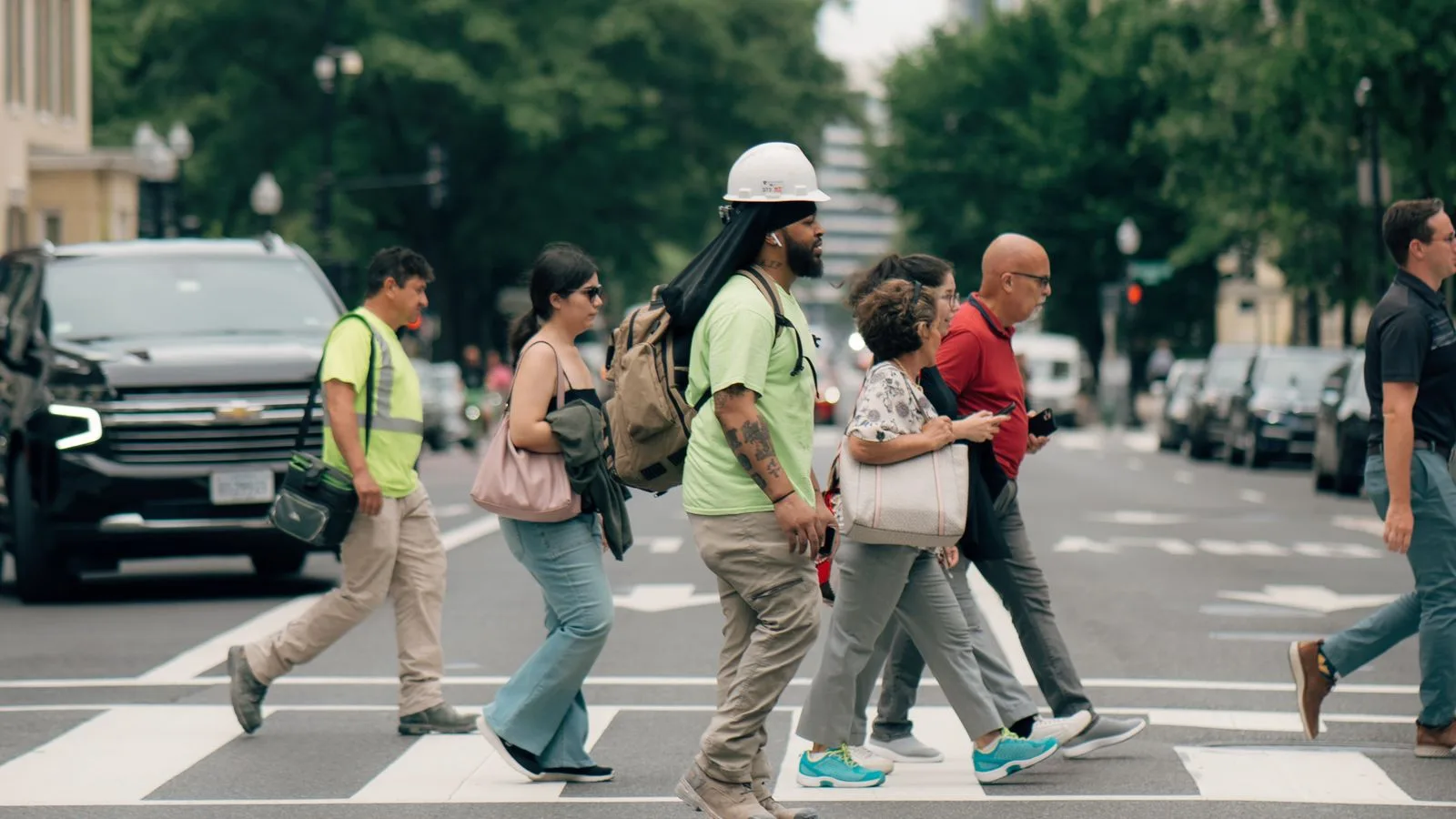
A pedestrian or bicycle accident claim in Cypress arises when a motor vehicle strikes a person on foot or on a bicycle on an arterial road, at a crosswalk, or in a school zone, and the severity is high because there is no vehicle structure to absorb the impact. Texas law under Tex. Transp. Code Ch. 552 requires drivers to yield to pedestrians in crosswalks, and bicyclists operating on roads like Barker Cypress or Fry Road have the same rights and duties as motor-vehicle drivers under § 551.101. The two-year deadline under § 16.003 applies, and Tort Claims Act six-month notice rules apply when a governmental entity is involved. Modified comparative fault under Chapter 33 governs even when a victim crossed outside a marked crosswalk.
Why Cypress cases are different
Cypress grew faster than its arterials were built for pedestrians, and the FM-1960 commercial corridor, the Cy-Fair ISD school zones, and the busy intersections feeding US-290 put people on foot and on bikes in the path of distracted, fast-moving traffic.
Crosswalks, right of way, and where people get hit in Cypress
FM-1960 is a heavily commercial east-west arterial with concentrated retail and medical-office traffic, the kind of stroad where wide lanes and frequent driveways force pedestrians to cross long distances among turning vehicles. The arterials feeding US-290, including Barker Cypress, Fry Road, Telge Road, and Spring Cypress, were engineered to move master-planned community traffic to the freeway, not to protect people walking or biking across them. Texas law gives pedestrians the right of way in marked crosswalks and at intersections, and drivers a duty to yield, but the everyday failures here are right-turn-on-red drivers watching for a gap in traffic instead of the person in the crosswalk, and turning drivers who never look for a cyclist. The Cy-Fair ISD school-zone overlap concentrates child-pedestrian exposure at morning and afternoon pickup hours on those same arterials.
Severe injuries, driver inattention, and proving the sequence
A person on foot or a bike has no crumple zone, so even a low-speed strike at a Cypress intersection can mean fractures, internal injuries, or a traumatic brain injury, and the most serious cases transfer southeast to Memorial Hermann-TMC and, for children, Texas Children's inside the TMC. Liability usually turns on right of way and driver attention, and the proof often lives outside the police report: signal-timing and walk-phase data at the intersection, nearby business or TxDOT camera footage, and phone records when distraction is suspected. We send preservation letters quickly because that footage runs on short retention windows. Comparative fault still applies under Chapter 33, so insurers may argue the pedestrian darted out or crossed against the signal; documenting the crossing geometry and signal phase early is how we keep the focus on the driver's failure to yield.
More in Cypress
Other ways we help Cypress injury victims.

Frequently asked
Cypress pedestrian accident questions
- Likely yes, if you had the right of way in a crosswalk or at an intersection. Texas comparative fault under Chapter 33 lets you recover unless you are more than fifty percent responsible. Insurers routinely argue a pedestrian darted out, so we pull signal-timing data and nearby camera footage to establish the actual crossing sequence and signal phase.
- Right-of-way and driver-attention proof. That means intersection signal and walk-phase timing, footage from nearby businesses or TxDOT cameras, the driver's phone records if distraction is suspected, and scene measurements showing where you were when struck. Much of this runs on short retention windows, so we send preservation letters quickly after intake.
- School-zone speed limits create heightened duties, and speeding into a posted zone is negligence in itself. Cy-Fair ISD zones overlap with peak commute traffic on arterials like Telge, Fry, Barker Cypress, and Spring Cypress. We obtain signage and active-flasher timing records, and serious child-injury cases often involve transfer to Texas Children's inside the TMC.
- Yes. Texas UM/UIM and PIP coverage on a vehicle you own extends to you as a pedestrian or cyclist when an uninsured or underinsured driver hits you. If the at-fault driver carries only minimum limits, your own policy can fill the gap. We review your declarations page at intake to identify every available coverage layer.
- If the driver was working when the crash happened, their employer may be liable under respondeat superior. Delivery companies, logistics firms, and contractors operating on FM-1960 and the arterials feeding US-290 often carry commercial auto policies far larger than personal limits. Employer and vehicle-owner liability is evaluated at intake so the coverage picture is complete.
- The standard two-year statute under § 16.003 is tolled for minor victims until they reach the age of majority, so the clock does not start running for the child's own claim until they turn 18. Parents bringing a claim for their child's injuries in their own right are subject to different timing rules. For school-district-vehicle cases, Tort Claims Act six-month notice requirements run on a much shorter timeline and cannot be missed.
Where we work from
Downtown Austin. Cypress clients welcome.
Our office is in downtown Austin; we represent Cypress-area clients statewide and travel to Cypress for case-specific needs (scene visits, medical-records consultations, court appearances). Home and hospital visits when injuries make travel difficult.
Talk to a Cypress pedestrian accident lawyer.
Free case review, no obligation. We'll tell you straight whether we can help.