
Dripping Springs · Motorcycle Accident
Dripping Springs Motorcycle Accident Lawyer
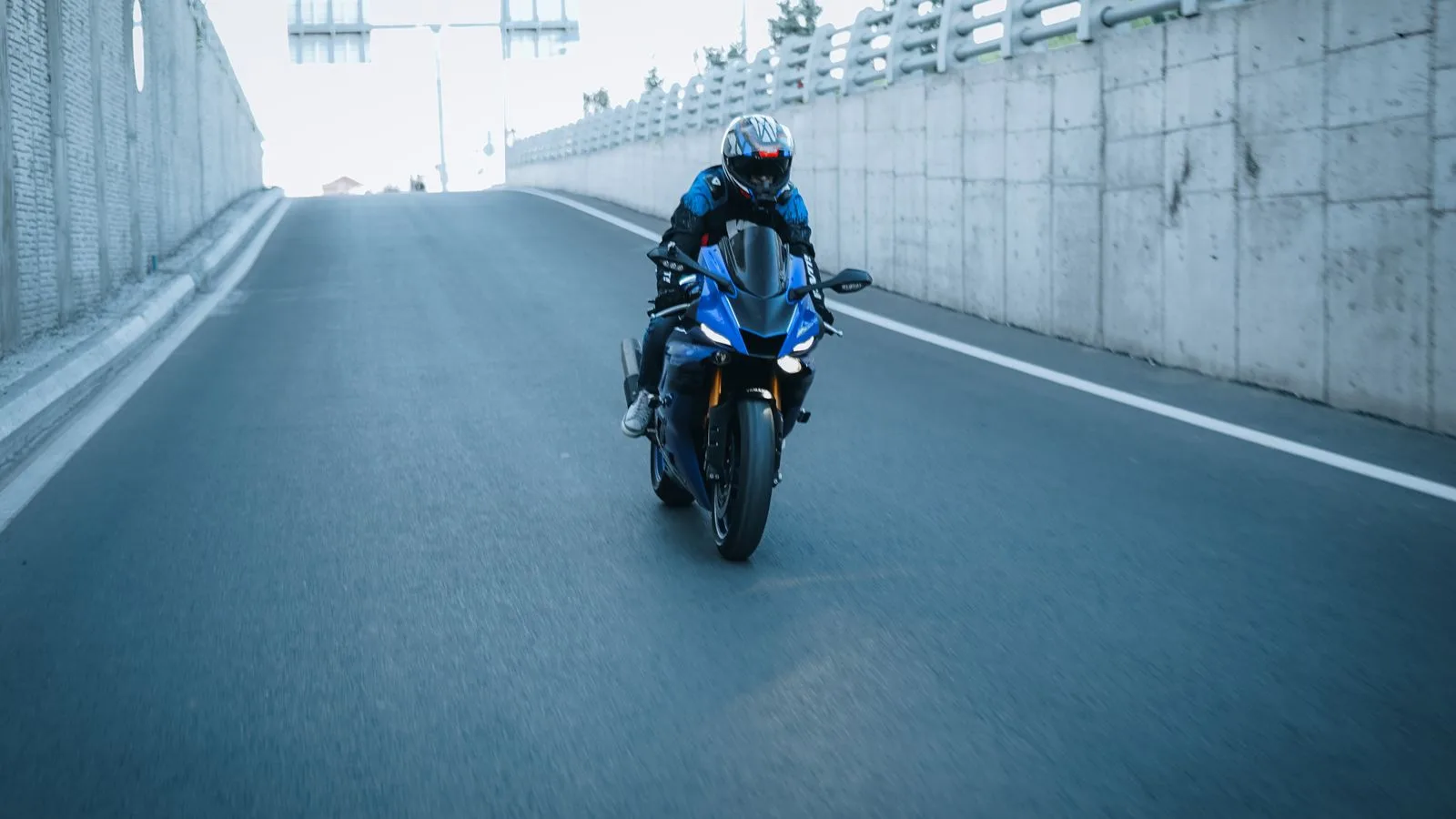
A motorcycle accident claim in Dripping Springs follows Texas fault-based negligence rules, with the added challenge that riders on the RR-12 and US-290 West corridors are harder for other drivers to see and carry no surrounding vehicle to absorb impact. The most common crash pattern here is a left-turning vehicle at an at-grade FM intersection that fails to yield to an oncoming rider, combined with the cross-centerline drift that the blind-curve geometry of RR-12 produces on weekend evenings. Under Texas proportionate responsibility with a 51 percent bar, the rider can recover from the at-fault driver as long as the rider's share of fault stays at or below half. Severe injuries on these corridors often require air transport to Dell Seton in downtown Austin, which is the regional Level I trauma center.
Why Dripping Springs cases are different
For Dripping Springs riders, the danger concentrates on the curves and elevation changes of RR-12 and US-290 West and on the FM routes between wineries, where an oncoming driver's failure to register an approaching bike turns a left turn or centerline drift into a catastrophe.
Left-turn, centerline, and curve crashes on RR-12 and US-290 West
The classic motorcycle wreck is the driver who turns left across a rider's path or drifts into one because they looked but did not register the bike, and the Hill Country geometry around Dripping Springs concentrates those conflicts. At the at-grade FM intersections along US-290 West, a turning vehicle that misjudges an approaching rider's closing speed on a curve produces the left-turn collision, while the rural stretches of RR-12 add a cross-centerline hazard from oncoming traffic and a run-off-road risk on the curves themselves. Under Chapter 33 proportionate responsibility, the at-fault motorist who failed to yield or maintain a lane typically carries the dominant share, but insurers reflexively try to shift blame onto the rider. Because Texas applies a 51 percent bar, defeating that narrative is often the case. We reconstruct the right-of-way and lane-position sequence using the responding agency's report, sight-line analysis on the curve, and any winery or roadside business video that captured the approach.
Rider bias, severe injuries, and Hill Country road hazards
Motorcycle injuries skew severe because the rider has no cage, and an impact that bruises a car driver can fracture a rider's spine or cause a traumatic brain injury, the kind of high-energy harm that gets air-transported from a US-290 or RR-12 scene to Dell Seton in downtown Austin. That severity also draws bias: adjusters and jurors quietly assume the rider was speeding or reckless, and rebutting that with hard evidence is part of every Dripping Springs motorcycle case. The road environment matters too. The two-lane FM network linking the wineries and venues carries limited shoulder space, blind curves, and edge drops, and a genuine hazard such as gravel, a defective surface, or an unmarked edge drop can itself support a liability theory against the responsible entity. We document the rider's gear, speed, and lane position alongside the road condition early, so the severity of the harm is met with a clean account of how it actually happened.
More in Dripping Springs
Other ways we help Dripping Springs injury victims.


Frequently asked
Dripping Springs motorcycle accident questions
- They can argue comparative fault, but they cannot assign it without evidence. Texas uses proportionate responsibility with a 51 percent bar, so if the insurer pushes your share past half, your claim ends. Rider bias is real, which is why we build the right-of-way case with the responding agency's report, curve sight-line analysis, and any winery or roadside business video on US-290 West or RR-12, rather than letting the assumption stand.
- Because a rider absorbs forces a car shell would absorb, the same crash that strains a driver can cause spinal, orthopedic, or brain injuries for a motorcyclist. On the high-energy US-290 and RR-12 corridors, severe trauma is frequently air-transported to Dell Seton in downtown Austin, so the medical chronology can span the transport gap and multiple facilities. We document that arc cleanly so the full extent of the injuries stays connected to the wreck.
- Sometimes. On the two-lane FM routes between the wineries and venues, single-vehicle and run-off-road events are more common, and a genuine hazard such as gravel, an edge drop, or a defective surface can support a claim against whoever was responsible for the road. If a government entity such as TxDOT or Hays County is involved, a short Texas Tort Claims Act notice deadline applies, often six months, so the condition must be documented quickly.
- Riders 21 and older may ride without a helmet under Tex. Transp. Code section 661.003 if they carry at least $10,000 in medical-payment coverage or completed an approved safety course. Whether you wore a helmet is generally not admissible to reduce damages for non-head injuries, and even for head injuries the insurer must connect the helmet absence causally to the specific harm. Helmet status alone does not end a case.
- That opens a potential dram-shop claim under Texas Alcoholic Beverage Code Chapter 2 if the venue or winery served the driver while he or she was obviously intoxicated. The proof requires tracing the last drinks to a specific commercial premise using receipts, surveillance, and the driver's blood-alcohol level. A dram-shop claim adds a coverage layer separate from the driver's personal auto policy, which is particularly important when motorcycle injuries are severe and the personal policy is insufficient.
- Two years under Tex. Civ. Prac. & Rem. Code section 16.003. For crashes involving a governmental entity — for example, a Hays County road-defect claim — a pre-suit notice under the Texas Tort Claims Act is required and the window is typically six months. Road conditions and video from roadside businesses change and disappear quickly, so the practical pressure is evidence preservation, not the filing deadline.
Where we work from
Downtown Austin. Dripping Springs clients welcome.
Our office is in downtown Austin; we represent Dripping Springs-area clients statewide and travel to Dripping Springs for case-specific needs (scene visits, medical-records consultations, court appearances). Home and hospital visits when injuries make travel difficult.
Talk to a Dripping Springs motorcycle accident lawyer.
Free case review, no obligation. We'll tell you straight whether we can help.