
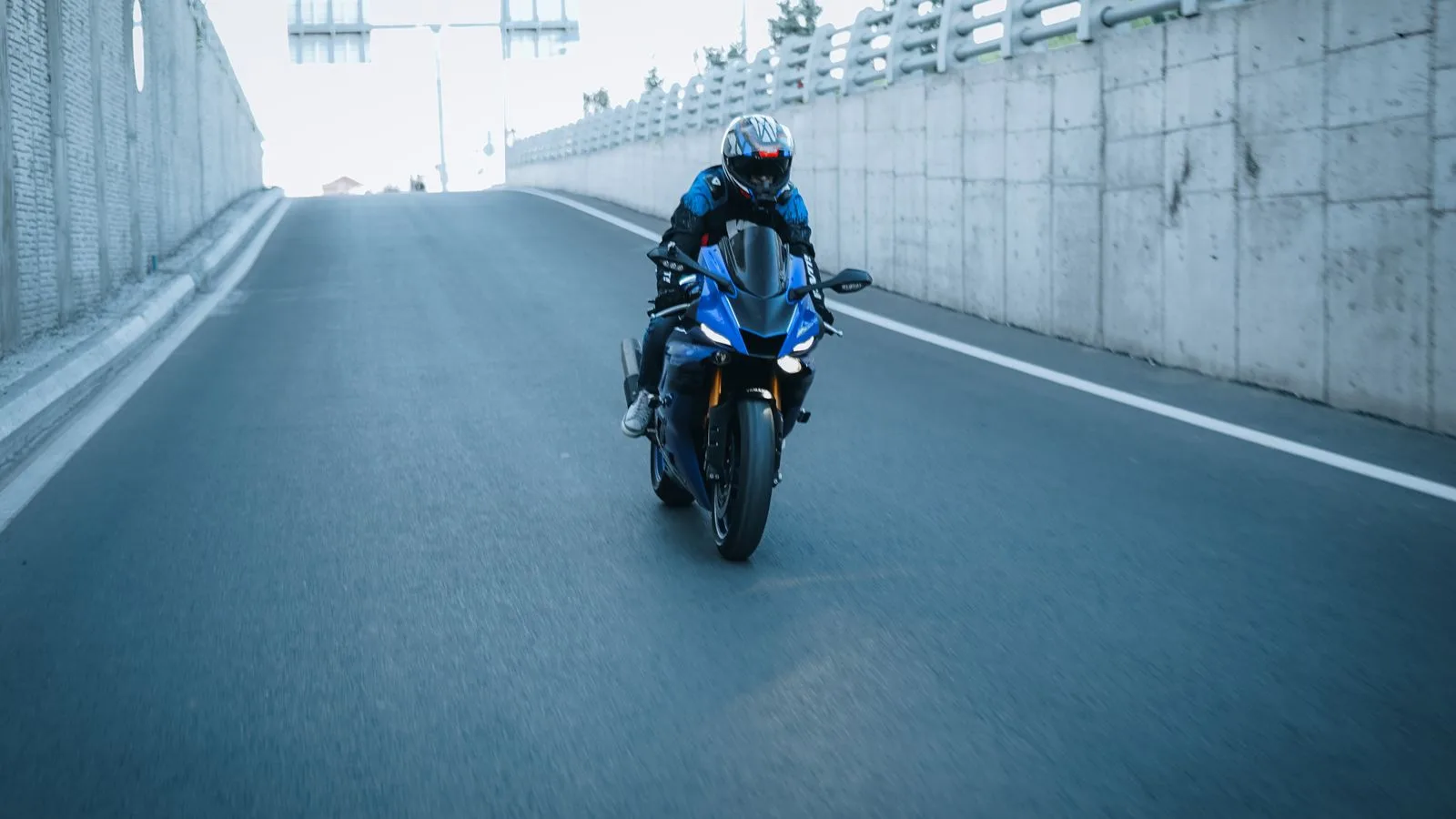
El Paso · Motorcycle Accident
El Paso Motorcycle Accident Lawyer
A motorcycle crash claim in El Paso follows Texas fault-based negligence rules: no no-fault system applies, and the rider can recover as long as he or she is not found more than 50 percent responsible under Chapter 33. El Paso's road mix sharpens the stakes: the high-speed interchanges on Loop 375 and the transmountain section of I-10 produce black-ice and dust-storm hazards that have no equivalent in flat-city Texas cases, and US-54's heavy merge traffic toward Fort Bliss concentrates the classic left-turn and lane-change strikes that dominate serious rider injuries. University Medical Center of El Paso, the region's Level I trauma center, receives the worst of these injuries, and the two-year limitation period under Tex. Civ. Prac. & Rem. Code § 16.003 applies.
Why El Paso cases are different
El Paso riders face the city's particular road mix: high-altitude transmountain weather on I-10 and Loop 375, heavy left-turn and merge traffic on US-54 toward Fort Bliss, and busy Mesa Street arterials near UTEP: all conditions where a driver's split-second misjudgment costs a rider far more than a fender.
Left-turns, merges, and the El Paso road hazards riders face
The most common motorcycle-crash pattern is a driver turning left across a rider's path or changing lanes into one they claim they never saw. US-54 north out of downtown is a heavy left-turn and merge corridor carrying the Fort Bliss and Northeast commute, exactly the environment where these collisions concentrate. The transmountain stretches of I-10 and Loop 375 add a layer most cities don't have: black ice, fog, gusting crosswinds, and dust storms that punish two-wheeled riders far harder than enclosed vehicles and turn a minor traction loss into a serious crash. Loose surface debris and high-speed sideswipes where Loop 375 meets I-10 add to the risk. We work each file around the specific corridor and hazard rather than treating every rider crash the same.
Rider bias and proving the driver was at fault
Riders walk into a built-in disadvantage: adjusters and jurors often assume the motorcyclist was speeding or weaving before any evidence is in. That bias has to be answered with facts. We secure scene photos, vehicle damage geometry, any available traffic or business camera footage, and independent witnesses to reconstruct who actually had the right of way. Under Texas Chapter 33 proportionate responsibility, the insurer's goal is to push enough fault onto the rider to cut or bar recovery; more than 50 percent assigned to you ends the claim. Helmet use and lane position get weaponized in these arguments, so we get ahead of them. Because motorcycle injuries tend to be severe, the difference between a fair recovery and a token one usually comes down to how early and how thoroughly the fault picture is documented.
More in El Paso
Other ways we help El Paso injury victims.



Frequently asked
El Paso motorcycle accident questions
- It often helps you. A driver's duty includes maintaining a proper lookout, so 'I never saw the motorcycle' is frequently an admission of inattention rather than a defense. The harder work is overcoming the assumption that the rider was at fault. We build the right-of-way picture from physical evidence and witnesses so the failure-to-look-out point carries weight.
- Generally yes. Texas law allows qualifying adult riders to ride without a helmet, and not wearing one does not automatically bar recovery. Insurers may still argue it affected your head injuries to reduce what they pay, so we address causation directly with medical evidence rather than letting the helmet question define the whole claim.
- They can be. The transmountain corridor and Loop 375 produce fog, black-ice, and dust-storm conditions that affect traction and visibility. That doesn't excuse a driver who failed to drive for conditions, and we pull TxDOT weather and advisory records to establish what the conditions actually were on the date and corridor of your crash.
- Lane-splitting is not authorized in Texas, so if you were splitting lanes at the time of the crash the insurer will use it in the proportionate-fault argument. That doesn't automatically bar your claim; if the other driver was primarily at fault, you can still recover. But the lane position needs to be part of the strategy from the start rather than a surprise at mediation.
- Yes, in most cases. Motorcycle injuries frequently involve staged orthopedic care — initial stabilization, then hardware placement, then hardware removal — and settling before that process is complete means accepting less than the care actually costs. We track the treatment arc and time the resolution to reflect the real injury course rather than the first bill.
- Your own uninsured motorist coverage applies to motorcycle crashes, provided you did not reject it in writing. That coverage steps in when the at-fault driver has no insurance or inadequate insurance. UM/UIM coverage is on your own policy, and we handle the claim against your insurer, who must still evaluate it fairly under Texas insurance law.
Where we work from
Downtown Austin. El Paso clients welcome.
Our office is in downtown Austin; we represent El Paso-area clients statewide and travel to El Paso for case-specific needs (scene visits, medical-records consultations, court appearances). Home and hospital visits when injuries make travel difficult.
Talk to a El Paso motorcycle accident lawyer.
Free case review, no obligation. We'll tell you straight whether we can help.