
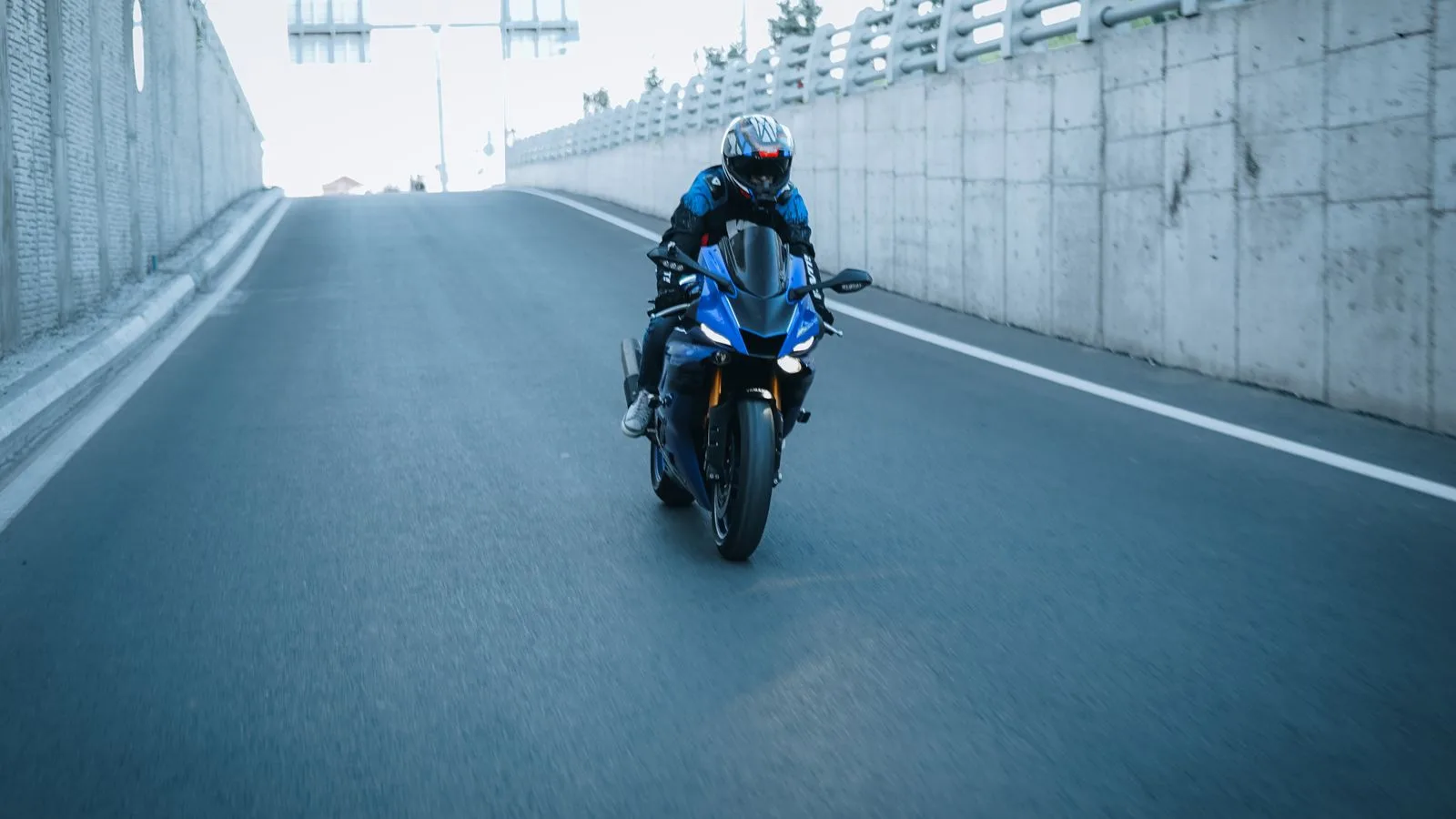
Frisco · Motorcycle Accident
Frisco Motorcycle Accident Lawyer
A motorcycle accident claim in Frisco follows the same Texas fault-based negligence rules as any other vehicle crash, but riders on roads like Preston Road, FM 423, and the Dallas North Tollway face an added challenge: jurors and insurers routinely presume rider fault where none existed. Texas law does not bar recovery simply because a rider was helmetless — helmet status is not automatically admissible to reduce non-head damages — and modified comparative fault under § 33.001 means a rider who was less than 51% at fault can still recover. These cases are filed within two years under § 16.003, typically in Collin County district court at the Russell A. Steindam Courts Building in McKinney or the Denton County courts in Denton for crashes on the western edge of the city.
Why Frisco cases are different
Frisco riders share the Sam Rayburn Tollway, the Dallas North Tollway, and high-volume arterials like Preston Road, Custer Road, and Eldorado Parkway with traffic that routinely fails to see them. Left-turn and lane-change drivers cause most of these crashes, and rebutting rider bias is as important as proving the collision.
Left-turn and lane-change crashes on Frisco's arterials and tollways
The recurring motorcycle fact pattern in Frisco splits between the signalized arterials and the high-speed tollways. On Preston Road, Custer Road, FM 423, and Eldorado Parkway, left-turn collisions cluster at the high-volume signalized intersections, where a driver turns across a rider's right-of-way or pulls out without clearing the lane. On SH-121 and the Dallas North Tollway, the equivalent is the unsafe lane change into a motorcycle's blind-spot position during a higher-velocity sideswipe. These crashes are rarely the rider's fault, but Texas comparative-fault rules under § 33.001 still let insurers argue the rider was speeding or splitting lanes. Proving the driver's failure to yield with intersection video, signal timing, and independent witnesses keeps the proportionate-responsibility share off the rider. Because surveillance density varies sharply by corridor in this fast-growing city, footage from newer commercial developments is decisive while older stretches may have none.
Severe injuries and the trauma routing behind a Frisco rider's case
Motorcyclists absorb a crash's energy directly, so the injury profile skews toward orthopedic fractures, road rash, and traumatic brain injury even at moderate speeds. Medical City Frisco handles most moderate-acuity admissions from the tollway corridors, with Baylor Scott & White Medical Center Frisco and Texas Health Frisco covering overflow, while severe head injuries and polytrauma route to Medical City Plano, the regional Level I trauma center, or to Parkland Memorial in Dallas under EMS protocol. The legal challenge is that the discharge summary often understates the true injury; the records that change demand value are the orthopedic and physiatry follow-ups completed days later, when imaging finally captures what the ER missed. We pull the complete chart rather than the ER summary and pair it with scene reconstruction showing the rider was lawful, reframing the rider as the careful party.


Frequently asked
Frisco motorcycle accident questions
- They can try. A left-turn driver who fails to yield is typically at fault, but under Texas comparative fault the insurer may argue you were speeding or inattentive to shift blame. Intersection video, signal timing, and witness statements usually defeat that. Because Preston Road carries heavy signalized traffic and rider bias is real, building a clear right-of-way record early is critical.
- Texas does not require helmets for all adult riders, and not wearing one does not bar your claim. An insurer may still raise it to argue a head injury was worse than it should have been. We address that directly with medical causation evidence. The driver who caused the crash remains responsible for the harm they caused, helmet or not.
- Because Frisco has grown so fast, surveillance and witness density vary widely from one stretch of road to the next. Newer commercial developments along the tollways often have strong camera coverage, while older arterial sections may have little. We tailor the evidence-preservation strategy to the specific corridor where your crash happened, since that footage is frequently what proves the driver's failure to yield.
- A motorcycle rider's own uninsured-motorist and underinsured-motorist coverage applies when the at-fault driver is uninsured or carries insufficient limits. These are first-party claims, and your insurer will demand the same proof of liability and damages as a third-party file. We identify all available coverages at intake and build the claim to prevent the carrier from understating either liability or the extent of injury.
- Yes. FM 423 is among Frisco's fastest-growing surface arterials and has a rising rate of intersection collisions. Claims for crashes on FM 423 follow the same Texas fault and limitations rules as any other road. The key early steps are preserving any camera footage from adjacent properties and obtaining the signal-timing data from the relevant intersection, both of which have limited retention windows.
- Most of Frisco sits in Collin County, with filings at the Russell A. Steindam Courts Building in McKinney. Incidents on the western, Denton-side portion of the city go to the Carroll Courts Building in Denton. We confirm the county at intake using the geocoded crash location; the choice of court can affect jury pool and case timing.
Where we work from
Downtown Austin. Frisco clients welcome.
Our office is in downtown Austin; we represent Frisco-area clients statewide and travel to Frisco for case-specific needs (scene visits, medical-records consultations, court appearances). Home and hospital visits when injuries make travel difficult.
Talk to a Frisco motorcycle accident lawyer.
Free case review, no obligation. We'll tell you straight whether we can help.