
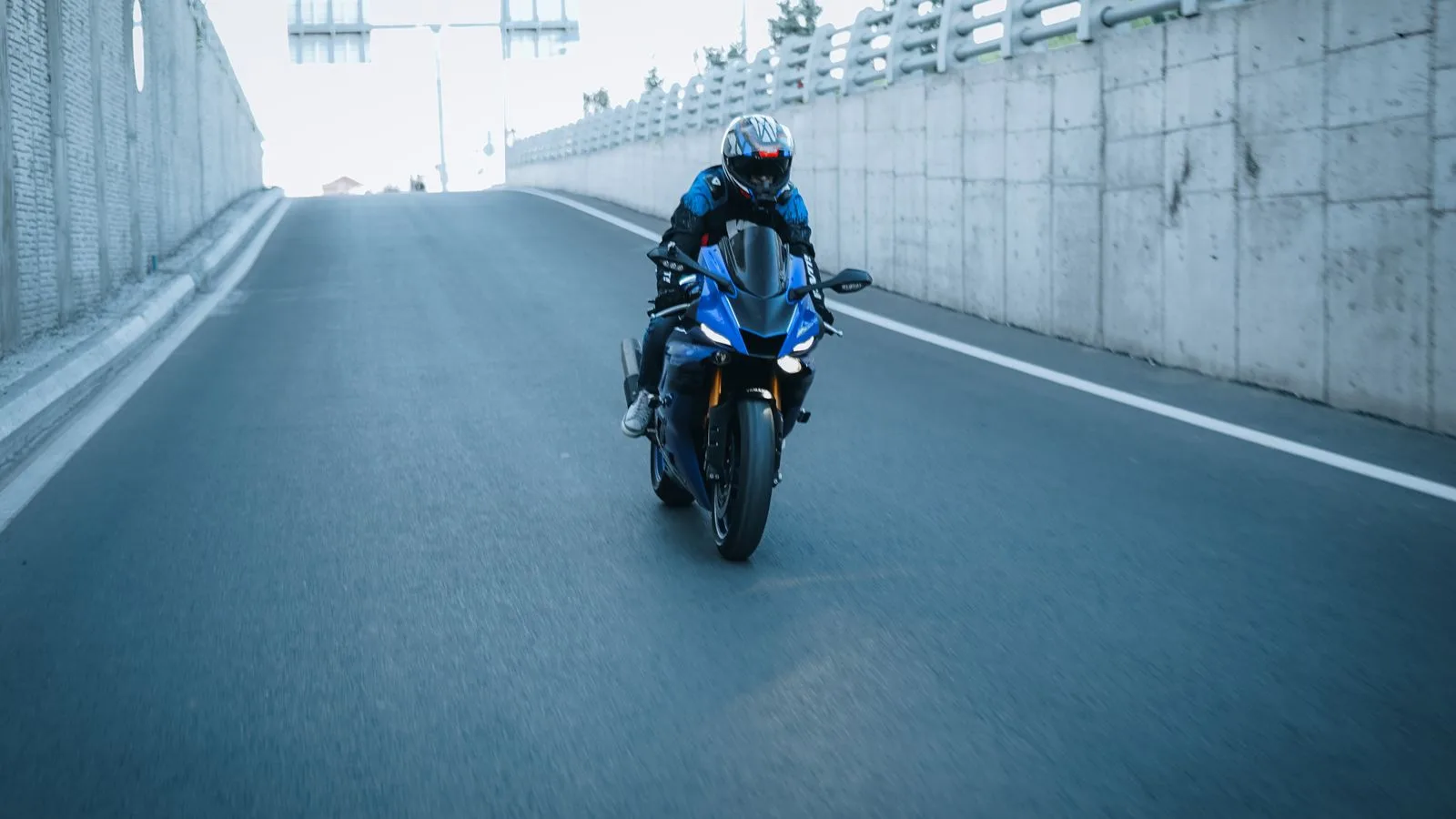
Grapevine · Motorcycle Accident
Grapevine Motorcycle Accident Lawyer
A motorcycle accident claim in Grapevine is a Texas fault-based personal injury case arising when a motor vehicle strikes a rider on roads like SH-114, SH-360, or Dove Loop Road near Lake Grapevine: corridors where driver inattention and blind-spot failures are common. Unlike car-versus-car crashes, motorcycle cases carry an added layer: jurors and adjusters often harbor assumptions about rider conduct that have no basis in the facts, requiring deliberate rebuttal with camera footage and physical evidence. Texas applies modified comparative fault under Tex. Civ. Prac. & Rem. Code § 33.001 and a two-year filing deadline under § 16.003. Riders who are 50 percent or less at fault can recover, but any fault percentage assigned to the rider reduces the damages dollar-for-dollar.
Why Grapevine cases are different
Riders on Grapevine's roads face a city built for airport volume — the SH-114 and SH-121 interchanges, signal-heavy William D. Tate Avenue, and the lakefront loops — where left-turning drivers and lane-changers create the collisions that hurt motorcyclists most severely.
Left turns, lane changes, and rider bias
The crash patterns that injure motorcyclists most are the left-turn collision and the lane-change sideswipe, and Grapevine's road geometry concentrates both. Drivers turning left across the signalized intersections on William D. Tate Avenue routinely fail to see an approaching rider, and merge zones near the SH-114 and SH-360 interchanges produce blind-spot lane-change strikes against riders who had every right to the lane. After the wreck, motorcyclists confront a built-in bias: adjusters and jurors sometimes assume the rider was speeding or reckless before anyone checks the facts. Countering that assumption with hard evidence — corridor camera footage, witness statements, helmet and gear documentation, and physical scene measurements — is central to a motorcycle case. Texas does not penalize a rider's recovery for choices unrelated to the crash, but the comparative-fault fight under § 33.001 is where bias quietly costs riders money.
Severe injuries and the medical record that proves them
A motorcyclist has no crumple zone, so the same impact that leaves a car occupant sore can leave a rider with fractures, road rash requiring grafts, or a traumatic brain injury even with a helmet. Grapevine-area riders are commonly transported to Baylor Scott & White Medical Center – Grapevine for moderate-acuity injuries, with serious trauma routed to JPS Health Network's John Peter Smith Hospital in Fort Worth at the Level I level or to Baylor University Medical Center in downtown Dallas depending on EMS protocol and county. A fast corridor-ER discharge often understates what a rider is dealing with: concussive symptoms and cervical injuries can develop over the following days, so we route clients into the right follow-up and build the demand on the full diagnostic picture rather than the initial discharge note. Documented future care is frequently the largest part of a serious rider's claim.
More in Grapevine
Other ways we help Grapevine injury victims.



Frequently asked
Grapevine motorcycle accident questions
- It should not legally, but bias is real. Adjusters sometimes assume a rider was at fault before reviewing evidence. Texas applies the same modified comparative-fault rule under § 33.001 to riders as to anyone else, so the work is countering assumption with proof — corridor footage, witnesses, and scene measurements — so an unjustified fault percentage is not assigned to you.
- A driver turning left generally must yield to oncoming traffic, including motorcycles, so a left-turning driver who pulls across your path is usually primarily at fault. The defense may still argue you were speeding or could have avoided it. Camera footage from the corridor and intersection, plus witness accounts, are what settle that argument.
- Possibly yes. A fast airport-corridor ER discharge can miss concussive and cervical injuries that surface over the next few days. If symptoms appear or worsen, follow up promptly with the right specialists and keep every record. The full diagnostic picture, not the initial discharge note, is what establishes the value of a serious motorcycle injury.
- Texas allows riders 21 and older to ride without a helmet if they carry at least $10,000 in medical-payment coverage or have completed an approved safety course. However, helmet status is not automatically admissible to reduce damages unrelated to head injuries, and even for head-injury claims the defense must prove a causal connection. Helmet status is a litigation issue, not an automatic bar to recovery.
- TxDOT traffic-management cameras along the SH-114 corridor, the other driver's own dash cam if present, and witness accounts from nearby vehicles are the primary tools. Physical evidence — paint transfer, impact geometry on the bike and the car — can confirm which vehicle moved into the other's lane. The driver's own statement to police about not checking the mirror is frequently the most helpful admission.
- Motorcycle injuries are severe, and minimum-limits policies frequently cannot cover the full medical and wage-loss picture. Your own underinsured motorist (UIM) coverage, if you purchased it, becomes the primary recovery source once the at-fault driver's policy is exhausted. We confirm your UM/UIM coverage at intake and pursue the at-fault driver's policy and your own UIM simultaneously where both are triggered.
Where we work from
Downtown Austin. Grapevine clients welcome.
Our office is in downtown Austin; we represent Grapevine-area clients statewide and travel to Grapevine for case-specific needs (scene visits, medical-records consultations, court appearances). Home and hospital visits when injuries make travel difficult.
Talk to a Grapevine motorcycle accident lawyer.
Free case review, no obligation. We'll tell you straight whether we can help.