
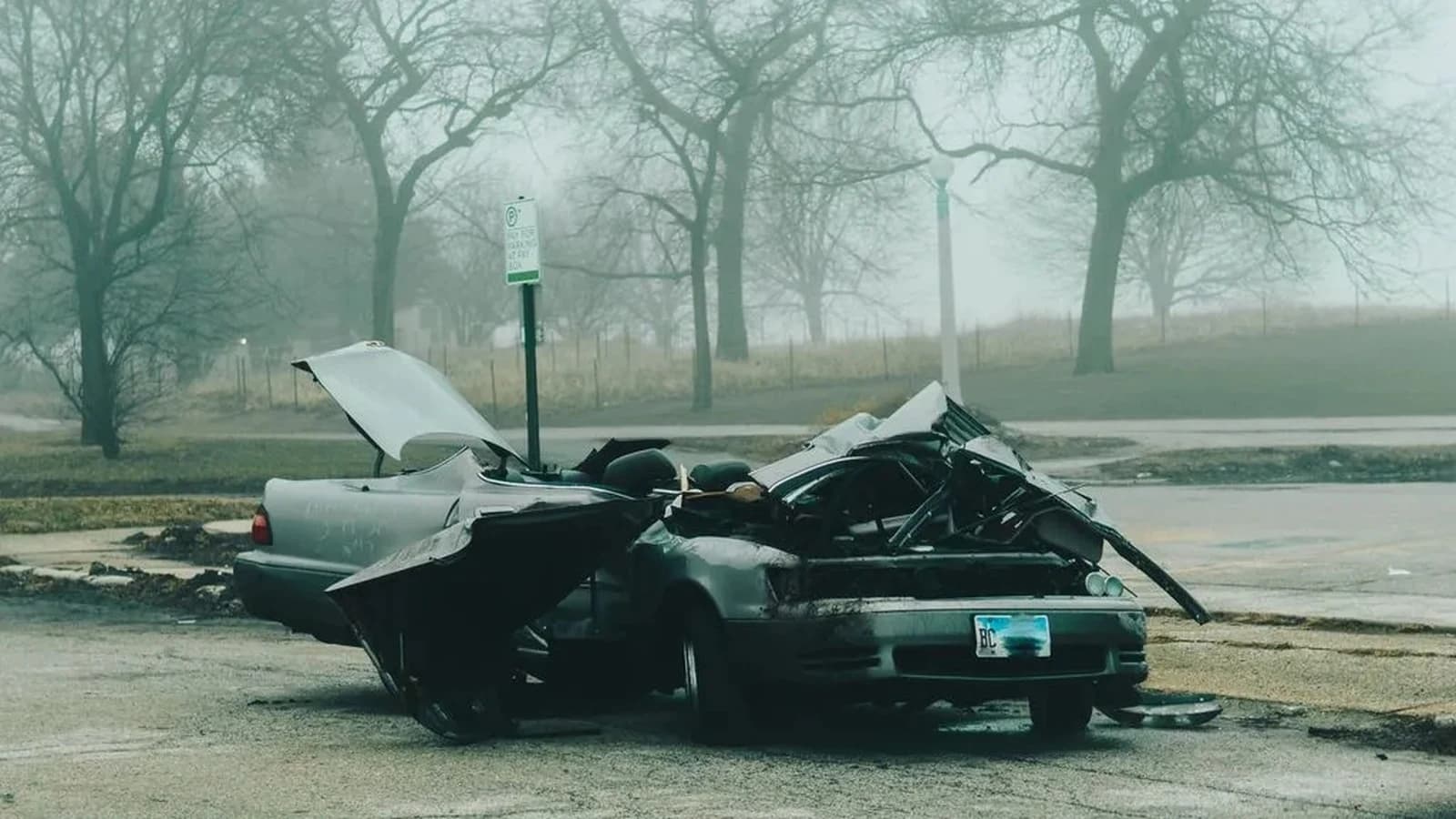
Irving · Car Accident
Irving Car Accident Lawyer
A car accident claim in Irving is a personal injury case arising from a passenger-vehicle collision on roads like SH-114 (John Carpenter Freeway), SH-183 (Airport Freeway), or Loop 12 (Northwest Highway), governed by Texas modified comparative fault under Chapter 33 of the Civil Practice and Remedies Code. You can recover damages as long as your share of fault does not exceed 50 percent, with the award reduced by your percentage. Because Irving sits adjacent to DFW Airport, these cases frequently involve out-of-state or rental-vehicle drivers, which adds a coverage-stacking analysis on top of the standard liability question. Suits are filed in Dallas County district court at the George L. Allen Sr. Courts Building under the two-year limitations period in Tex. Civ. Prac. & Rem. Code Section 16.003.
Why Irving cases are different
Irving's crash mix leans more commercial and out-of-state than the surrounding Dallas County suburbs, because DFW Airport feeds rental and shuttle traffic onto SH-114 while Las Colinas pulls fleet vehicles toward its office towers. A car wreck here often means more insurance layers than a clean two-driver collision.
How Texas fault rules apply on SH-114, SH-183, and Loop 12
Texas follows modified comparative responsibility under Tex. Civ. Prac. & Rem. Code Chapter 33: you can recover as long as your share of fault stays at 50 percent or below, with any award reduced by your percentage. That rule does real work on Irving's busiest corridors. SH-114 (John Carpenter Freeway) produces abrupt lane-change crashes near the DFW Airport entrance and the MacArthur Boulevard and O'Connor Road exits, where drivers cut across lanes to catch the airport ramp. SH-183 (Airport Freeway) generates merge collisions near the Loop 12 split, and Northwest Highway through northeast Irving brings intersection crashes at the signalized crossings near Bachman Lake. Insurers routinely argue the injured driver shared blame for a late merge or a following distance. Documenting lane position, signal timing, and pre-impact speed early is what keeps a comparative-fault argument from quietly eroding the recovery.
UM/UIM coverage and the layered-policy problem near the airport
Because so much Irving traffic originates at DFW Airport, the at-fault driver is frequently in a rental car or an out-of-state vehicle, and that complicates who pays. A rental company often carries only a state-minimum policy on the vehicle itself, while the renter's personal auto policy and any credit-card rental coverage may stack on top. When those layers still fall short of the harm done, your own uninsured/underinsured motorist coverage becomes the backstop, and Texas treats UM/UIM as a separate contractual claim against your own carrier with its own proof requirements. We pull the rental contract, the renter's declarations page, and the credit-card coverage terms before settling anything, because airport-corridor cases consistently leave money unclaimed when one of those layers is overlooked or the UM/UIM claim is never opened.
More in Irving
Other ways we help Irving injury victims.

Frequently asked
Irving car accident questions
- Often yes. Rental vehicles on SH-114 near DFW frequently carry only a minimum policy on the car, while the renter's personal auto policy and credit-card rental coverage may layer on top. We pull all three before settling, because the order and limits of those policies decide the path of the claim. Out-of-state renters can also add a personal-jurisdiction question if suit becomes necessary.
- Likely, if your share of fault is 50 percent or less. Under Texas Chapter 33 proportionate responsibility, you can recover damages reduced by your percentage of fault, but you are barred entirely once your share exceeds half. Insurers near the Loop 12 split routinely argue an injured driver merged late. Early documentation of lane position and timing protects against an inflated fault assignment.
- Two years from the crash date under Tex. Civ. Prac. & Rem. Code Section 16.003, applied statewide. If a governmental entity is involved, such as the City of Irving, Dallas County, or DART, the Texas Tort Claims Act requires pre-suit notice within six months and sometimes sooner under local provisions. Treat the two-year window as an outer limit, not a target.
- Disc herniations and cervical injuries are among the most common delayed findings. The initial ER visit at Baylor Scott & White Medical Center Irving often produces soft-tissue strain diagnoses, while MRI imaging done days or weeks later reveals disc involvement at C5-C6 or lumbar levels. Wrist injuries such as TFCC tears are also frequently missed on plain X-ray. The gap between the discharge summary and the follow-up imaging is where the full injury picture lives.
- Texas insurers must offer UM/UIM coverage, but drivers may reject it in writing. If you kept the coverage, it applies when the at-fault driver is uninsured or their limits are too low to cover your damages. In Irving's airport corridor, where out-of-state and rental drivers are common, the UM/UIM claim is frequently the most important layer to pursue once the at-fault driver's policy is exhausted.
- It depends on the driver's status in the app at the time of the crash. Texas recognizes different coverage tiers for rideshare drivers depending on whether the app was off, the driver was waiting for a match, or a trip was active. The rideshare company's commercial policy applies only when the app was on and a trip was in progress. We pull the trip data immediately because the in-app status at the moment of impact determines which coverage layer controls.
Where we work from
Downtown Austin. Irving clients welcome.
Our office is in downtown Austin; we represent Irving-area clients statewide and travel to Irving for case-specific needs (scene visits, medical-records consultations, court appearances). Home and hospital visits when injuries make travel difficult.
Talk to a Irving car accident lawyer.
Free case review, no obligation. We'll tell you straight whether we can help.