
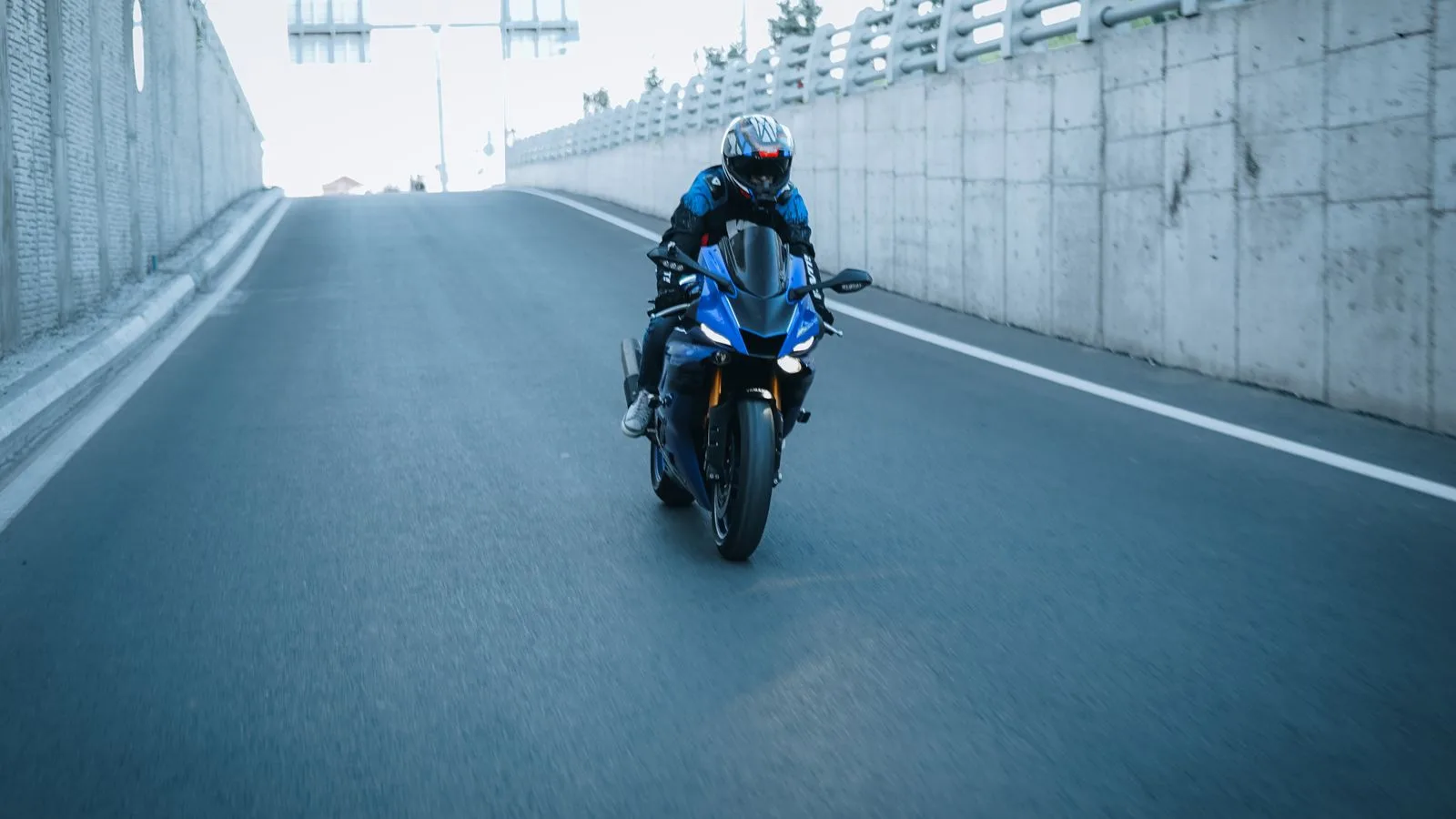
Katy · Motorcycle Accident
Katy Motorcycle Accident Lawyer
A motorcycle accident claim in Katy is a personal injury case arising when a motor vehicle strikes a rider on roads like I-10, the Grand Parkway, Mason Road, or Westheimer Parkway, governed by Texas modified comparative fault rules and a two-year statute of limitations under Tex. Civ. Prac. & Rem. Code § 16.003. Riders have no surrounding vehicle to absorb energy, so injuries that produce minor charts for car occupants routinely become fractures, spinal injuries, or transfers from Houston Methodist West or Memorial Hermann Katy east to Memorial Hermann-TMC for Katy riders. Texas law (Tex. Transp. Code § 661.003) permits riders over 21 to ride without a helmet if they carry specified medical coverage or completed an approved safety course, but helmet status does not automatically reduce a non-head-injury recovery. The left-turn-across-path collision at Katy arterial intersections and the lane-change sideswipe on I-10 are the two fact patterns we see most often.
Why Katy cases are different
Katy riders face the same I-10 corridor that drives most of the area's crash volume, where managed-lane merges and the high-speed Grand Parkway interchange leave little room for error and where drivers changing lanes routinely fail to register a motorcycle beside them.
Left-turn and lane-change crashes on Katy's arterials and freeways
The two crash types that injure Katy riders most are the left-turn-across-path collision at surface intersections and the lane-change sideswipe on the freeway. On arterials like Westheimer Parkway, Mason Road, Fry Road, and FM-1463, where Cinco Ranch and Cross Creek Ranch traffic concentrates at school-pickup and shift-change hours, a driver turning left misjudges an oncoming rider's speed or simply does not see the bike. On I-10 near the managed-lane merge and the Grand Parkway interchange, a driver crossing lanes without signaling clips a rider in the next lane the same way a delivery contractor might clip a sedan. The physics are unforgiving: a rider has no crumple zone, so a moderate-speed impact that leaves a car occupant with contusions can put a rider on a transfer to Memorial Hermann-TMC.
Confronting rider bias before it reaches a Katy jury
Insurers and defense counsel lean on a familiar narrative that the rider was speeding, lane-splitting, or otherwise reckless, and that bias can color how a Harris, Fort Bend, or Waller County jury hears the case. The county the file lands in matters, because docket pace, jury composition, and defense-bar familiarity differ across the three courthouses, and we read those differences when we frame the liability story. We counter the bias with objective evidence rather than argument: TxDOT camera footage from the corridor, scene geometry, the at-fault driver's own statements in the crash report, and any nearby retail or community surveillance from the arterials. The goal is to make the lane-change or left-turn failure undeniable so the conversation moves off the rider and onto the driver who created the conflict.


Frequently asked
Katy motorcycle accident questions
- It can become an argument, but it does not automatically defeat your case. Texas applies proportionate responsibility under Chapter 33, so the defense may try to assign you a percentage of fault, which reduces recovery and bars it entirely above 50 percent. Whether helmet use is even relevant depends on your injuries. We address it head-on with the medical evidence rather than letting the insurer assume the worst.
- With evidence the driver cannot spin. We pull TxDOT camera footage from the I-10 and Grand Parkway corridor, reconstruct the scene geometry, and lock in nearby surveillance from the Katy arterials through early preservation letters. On a left-turn or lane-change crash, the physical evidence usually shows the driver crossed the rider's path, which undercuts the came-out-of-nowhere narrative.
- Because suburban ER discharges are fast and serious injuries are routinely under-documented at first. Riders often have orthopedic and soft-tissue injuries that surface at follow-up imaging the week after the crash. An early insurer offer anchored to a quick discharge will understate the claim, so we build the medical chronology on the specialist records before assigning value.
- Possibly. The lack of an endorsement does not bar your claim outright, but it may be raised as a factor in the proportionate-responsibility analysis under Chapter 33. The defense will argue it contributed to your failure to safely control the motorcycle; we address it by showing the at-fault driver's conduct was the cause of the crash regardless of your licensing status.
- The county the road sits in determines where the case is venued. FM-1463 in the Firethorne area sits in Fort Bend County, which means the case files at the courthouse in Richmond rather than at 201 Caroline in Houston. The substantive rules are the same, but docket pace and jury pool differ. We confirm the exact county location from the crash report before filing.
- No. Texas does not authorize lane-splitting or lane-filtering, so riding between lanes of traffic is not permitted. If a Katy rider was lane-splitting at the time of a crash, the defense will use it as evidence of comparative fault. That is a real challenge to managing, though it does not bar recovery unless the rider is found more than 50 percent responsible under Chapter 33.
Where we work from
Downtown Austin. Katy clients welcome.
Our office is in downtown Austin; we represent Katy-area clients statewide and travel to Katy for case-specific needs (scene visits, medical-records consultations, court appearances). Home and hospital visits when injuries make travel difficult.
Talk to a Katy motorcycle accident lawyer.
Free case review, no obligation. We'll tell you straight whether we can help.