
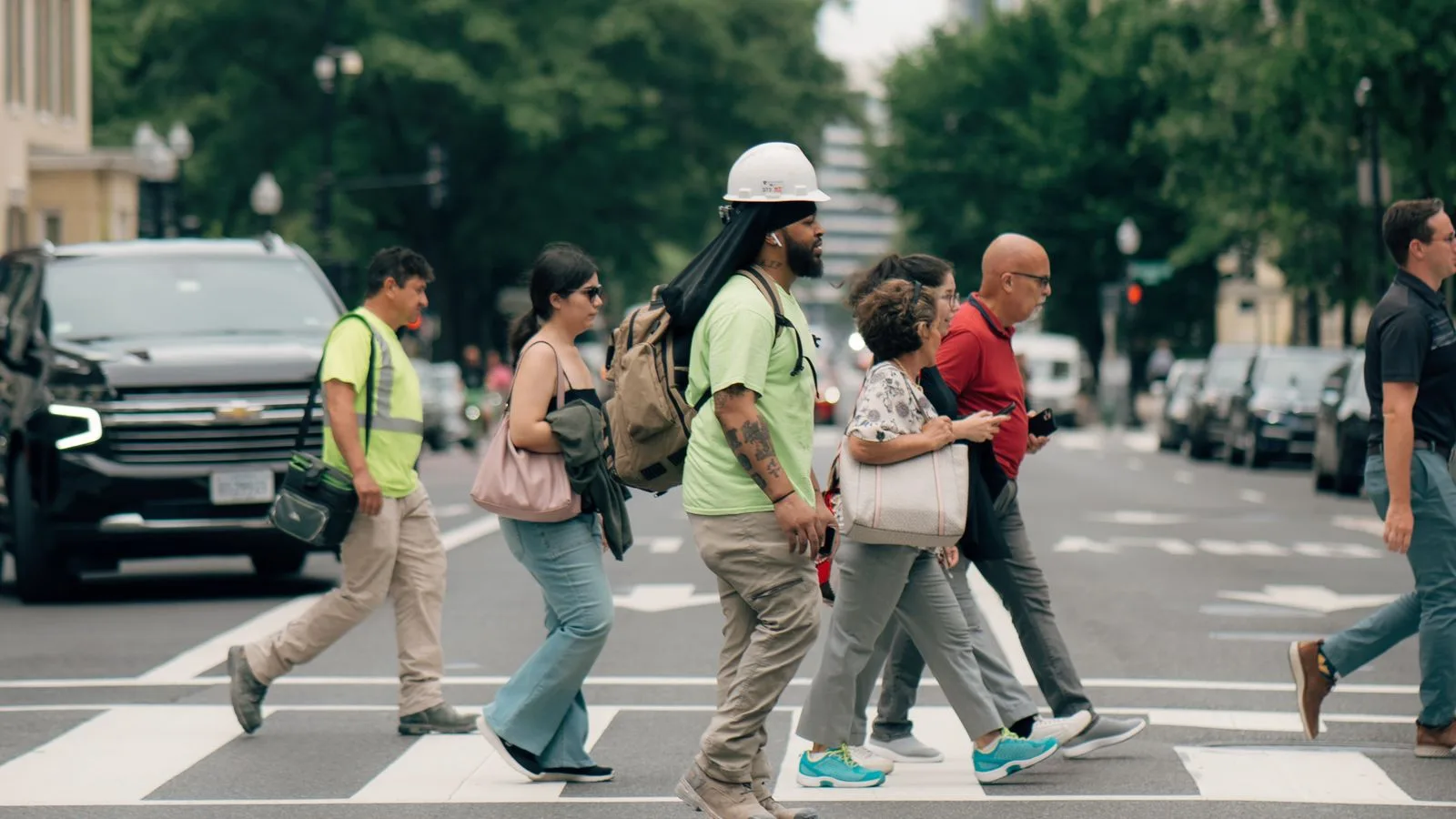
Lakeway · Pedestrian Accident
Lakeway Pedestrian Accident Lawyer
When a motor vehicle strikes a pedestrian or cyclist on a Lakeway road, the legal framework is Texas fault-based negligence under Tex. Transp. Code Ch. 552 (pedestrian right-of-way) and § 551.101 (cyclists have the rights and duties of vehicle operators). Lakeway's residential streets in the Lakeway and Hudson Bend neighborhoods are characteristically narrow and curving with no sidewalks or shoulders, which means the injured person was almost certainly in the roadway by necessity, not carelessness—and the at-fault driver's duty to see what was present and yield accordingly is the central liability question. Cases file in Travis County district court in Austin, and Tex. Civ. Prac. & Rem. Code § 16.003's two-year limitations applies, with a shorter six-month pre-suit notice window if a governmental entity is involved.
Why Lakeway cases are different
Pedestrians and cyclists hurt around Lakeway face a distinct proof problem: the narrow, curving residential streets of Lakeway and Hudson Bend often have no sidewalks and no shoulders, so the at-fault driver's defense almost always turns on exactly where the person was positioned at the moment of impact.
Right-of-way and the positioning defense on Lakeway streets
The substantive law is the same Texas comparative-fault framework that governs every injury claim, but the evidence profile on a Lakeway residential street differs sharply from a wide arterial crash. The city file describes these streets as narrow, curving, and frequently without sidewalks or shoulders, which forces pedestrians and cyclists into the roadway and gives the defense its standard argument that the injured person was where they should not have been. Defeating that requires reconstructing the approach sight lines on a curving street and establishing the driver's duty to see what was there to be seen. Under the 51 percent bar, the positioning dispute is not a side issue, it can decide the entire claim, so the physical evidence and any video that captures the moment of contact carries outsized weight.
Camera footage and short preservation windows
Because there is rarely a clean eyewitness on these quiet residential streets, the decisive evidence is usually video. Doorbell cameras, neighborhood security systems, and Tesla Sentry footage from passing vehicles often capture the only objective record of speed, positioning, and the driver's reaction, and that footage is frequently dispositive on the right-of-way fight. The problem is retention: these systems overwrite on short cycles, often within days. We send preservation letters within the first week of a case to lock down doorbell and neighborhood-camera footage before it is gone, and we canvass the immediate area for vehicle dashcams. On the broader RM-620 and RR-2222 corridors the analysis is similar but the higher speeds make the injuries far more severe and the camera coverage thinner.
More in Lakeway
Other ways we help Lakeway injury victims.




Frequently asked
Lakeway pedestrian accident questions
- Not necessarily. The city file notes Lakeway residential streets are often without sidewalks or shoulders, which forces people into the roadway. The defense will argue you were positioned wrong, but the driver still owes a duty to see what is there to be seen on a curving street. Reconstructing sight lines and securing video of the contact is how we answer the positioning argument.
- Often decisive. On quiet residential streets there is rarely a neutral eyewitness, so doorbell cameras, neighborhood security systems, and Tesla Sentry video from passing cars frequently provide the only objective record of speed and positioning. That footage can be dispositive on the right-of-way dispute, which is why securing it early matters so much.
- Within the first week. Doorbell and neighborhood camera systems overwrite on short cycles, sometimes within days, so the window to capture the footage is brief. We send preservation letters immediately and canvass nearby homes and vehicles for cameras. Waiting even a couple of weeks can mean the single most important piece of evidence is permanently gone.
- Yes. Tex. Transp. Code § 552.005 allows recovery even when a pedestrian is not in a crosswalk, as long as they are not more than 50 percent responsible under the Chapter 33 comparative-fault framework. The driver's duty to slow and yield to a pedestrian in the roadway does not disappear simply because there is no marked crosswalk. On Lakeway's residential streets, where marked crosswalks are rare, this matters frequently.
- Yes. Under Tex. Transp. Code § 551.101, a cyclist has the same rights and duties as a motor-vehicle operator and is entitled to use the roadway. RM-620 and RR-2222 are legal cycling routes. However, the high speeds and limited shoulder space on these corridors mean injuries are severe when a motorist fails to give adequate clearance. No statewide safe-passing law exists, but a driver's failure to maintain a safe buffer is evidence of negligence.
- It can expand your options. If the delivery driver was operating within the scope of employment at the time of the crash, the employer and its commercial auto policy are typically in the case alongside the driver under Texas respondeat superior. Delivery and service operations are common in the Lakeway and Hudson Bend areas, and identifying the corporate defendant and its coverage early is one of our first priorities in these cases.
Where we work from
Downtown Austin. Lakeway clients welcome.
Our office is in downtown Austin; we represent Lakeway-area clients statewide and travel to Lakeway for case-specific needs (scene visits, medical-records consultations, court appearances). Home and hospital visits when injuries make travel difficult.
Talk to a Lakeway pedestrian accident lawyer.
Free case review, no obligation. We'll tell you straight whether we can help.