
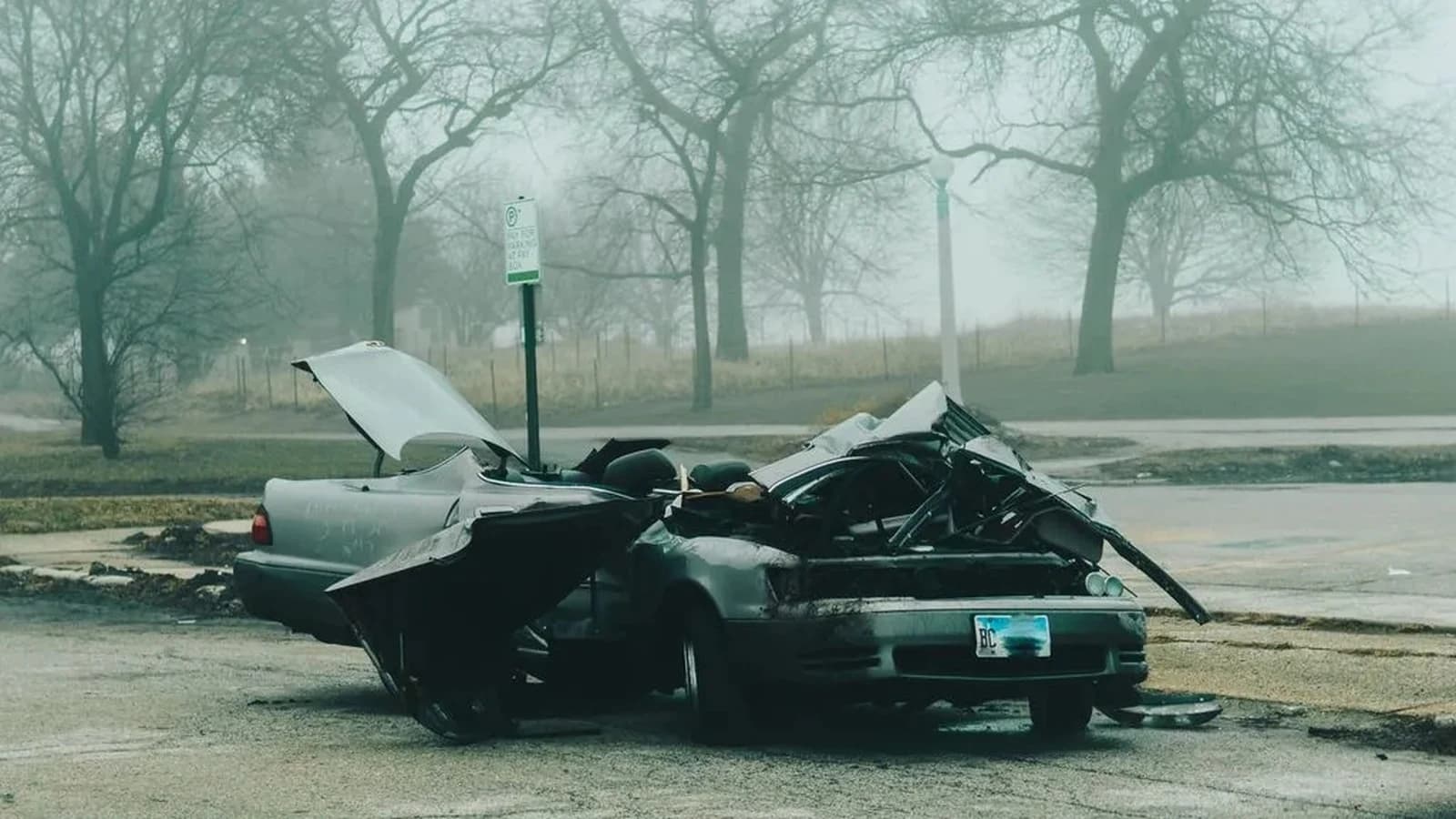
McAllen · Car Accident
McAllen Car Accident Lawyer
A car accident claim in Hidalgo County is a personal injury case arising from a collision involving a passenger vehicle, governed by Texas modified comparative fault: you can recover so long as your share of fault is 50 percent or less, though each percentage point reduces your award. McAllen's highest-risk stretch runs between Ware Road and the I-69C interchange on I-2, where rear-ends, sideswipes, and frontage-road U-turn collisions are the dominant crash patterns. The standard limitations deadline under Tex. Civ. Prac. & Rem. Code § 16.003 is two years from the date of injury, and serious cases are filed in the Hidalgo County district courts at the courthouse in Edinburg. Where the at-fault driver is uninsured or underinsured, the victim's own UM/UIM coverage is typically the primary recovery path.
Why McAllen cases are different
Most serious McAllen collisions cluster on the I-2 corridor that locals still call 'the 83,' especially the Ware Road to I-69C stretch through Pharr. Cap City handles those Hidalgo County crash claims from its Austin office.
The 83, the I-69C interchange, and the frontage-road U-turn problem
The east-west spine through McAllen, Pharr, San Juan, and Alamo is the old US-83 expressway, now signed Interstate 2, and the highest-volume crash segment in Hidalgo County runs between Ware Road and the I-69C interchange. The pattern there is consistent: rear-ends as traffic stacks, sideswipes between the main lanes and the frontage road, and the recurring frontage-road U-turn collision that is the single most common liability question we see in Valley files. Texas right-of-way rules generally favor the through driver over the vehicle completing the U-turn, but proving it depends on signal-timing data and intersection footage that overwrites on a short cycle. US-281, signed as I-69C through much of the metro, adds a north-south set of crashes through Edinburg and Pharr. We map each claim to its corridor early, because a 45-mph rear-end on I-2 reads nothing like a U-turn impact at a frontage-road intersection.
Chapter 33 fault and your own UM/UIM coverage
Texas runs on modified comparative fault under Chapter 33: your recovery is reduced by your percentage of responsibility, and at 51 percent or more you recover nothing. Insurers lean hard into that percentage fight, especially on the frontage-road U-turn and merge disputes the 83 produces, where the adjuster argues the through driver could have avoided the turning vehicle. We anchor the answer in physical evidence and, where it exists, TxDOT signal-timing logs for the intersection before the standard overwrite window closes. Where the at-fault driver is uninsured or underinsured, your own UM/UIM coverage becomes the recovery source, and Texas treats that as a contract claim against your own carrier with separate notice and proof requirements. We read your declarations page at intake so you know which layers are actually available before any negotiation starts, and we confirm filing venue defaults to Hidalgo County district court in Edinburg.
More in McAllen
Other ways we help McAllen injury victims.




Frequently asked
McAllen car accident questions
- Usually the U-turning driver, because Texas right-of-way rules generally favor the through driver. But fault is rarely conceded. The insurer will argue you could have avoided the collision, and under Chapter 33 every point of fault assigned to you reduces recovery. The decisive proof is intersection footage and TxDOT signal-timing data, which overwrite quickly, so preserving it early matters.
- Generally not before you talk to counsel. In McAllen crashes the adjuster often calls within seventy-two hours offering a quick property-damage release and asking for a recorded statement. Anything you say can be used to push your Chapter 33 fault share up. Get your injuries documented first; the statement can wait, and frequently it never needs to happen at all.
- Then your own uninsured/underinsured motorist coverage is usually the path forward, if you carried it. UM/UIM is a contract claim against your own insurer with its own notice and proof rules. We review your declarations page at intake to confirm the limits available and make sure the claim is handled within the policy's deadlines.
- Two years from the date of injury under Tex. Civ. Prac. & Rem. Code § 16.003. That deadline is the same in every Texas county. If a government vehicle or road defect was involved, a pre-suit notice requirement under the Texas Tort Claims Act kicks in far sooner, sometimes within six months. Call counsel well before the two-year mark, because critical evidence like TxDOT signal-timing logs can disappear long before then.
- Not if the follow-up record is built correctly. ER discharges across the Valley routinely capture contusions and strains while the real injury — a disc herniation, a ligament tear, or a concussion cluster — surfaces at the week-two specialist appointment. We pull the complete DHR Health or South Texas Health System chart rather than relying on the discharge summary, and we route clients into the right follow-up so the record reflects what the crash actually did.
- In the Hidalgo County district courts at the courthouse in Edinburg, assuming the crash occurred in McAllen or Hidalgo County and the defendant is domiciled there. If the other driver was an out-of-state corporate defendant or a Mexican-domiciled carrier, the case is a removal target to the U.S. District Court for the Southern District of Texas, McAllen Division. We screen for that risk before drafting the petition because federal court timing and local rules are different from state court.
Where we work from
Downtown Austin. McAllen clients welcome.
Our office is in downtown Austin; we represent McAllen-area clients statewide and travel to McAllen for case-specific needs (scene visits, medical-records consultations, court appearances). Home and hospital visits when injuries make travel difficult.
Talk to a McAllen car accident lawyer.
Free case review, no obligation. We'll tell you straight whether we can help.