
San Marcos · Pedestrian Accident
San Marcos Pedestrian Accident Lawyer
A pedestrian or bicycle accident claim in San Marcos arises when a motor vehicle strikes a person on foot or on a bicycle, imposing liability under Tex. Transp. Code Ch. 552 (pedestrian right-of-way rules) and the cyclist-as-vehicle provisions of § 551.101. The university population around Texas State and the dense foot and bicycle traffic on Hopkins Street and near the Aquarena Springs Drive corridor create a recurring collision pattern that concentrates near marked crosswalks and campus-adjacent signals. Texas applies the same two-year limitations period under § 16.003 and Chapter 33's modified comparative fault rule, and the Hays County district courts on the downtown square are the filing venue for San Marcos incidents. The most time-sensitive element is often not the legal deadline but the seven-to-thirty-day camera retention window at city, university, and merchant systems that recorded the crash.
Why San Marcos cases are different
Hopkins Street and the downtown square carry dense university foot and bicycle traffic, producing low-speed pedestrian and bicycle collisions concentrated around campus, while right-turn-on-red conflicts at marked crosswalks near the RR-12 periphery injure students walking home after dark. These cases turn on right-of-way and short-window surveillance.
Crosswalk right-of-way and right-turn-on-red conflicts
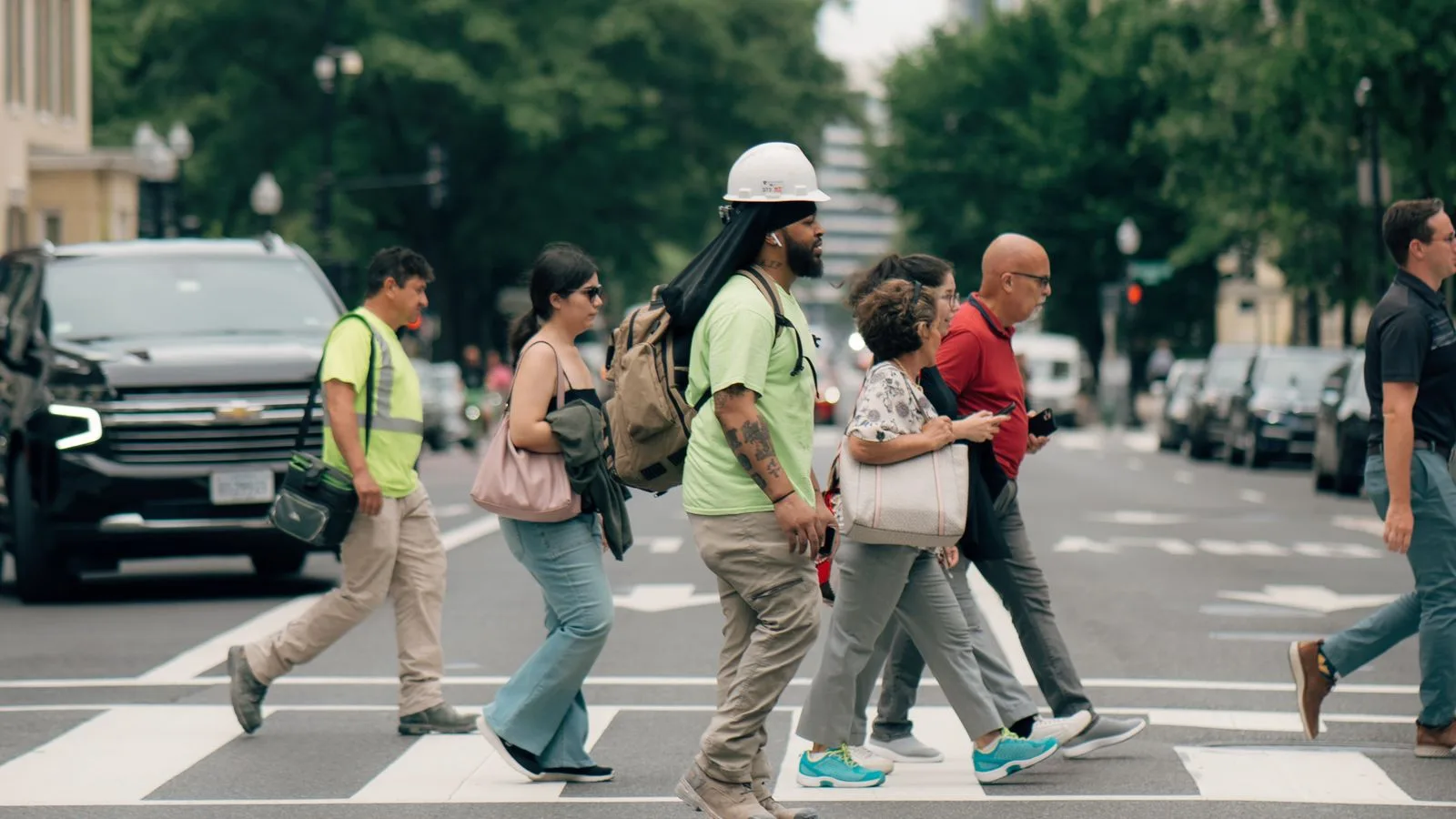
A pedestrian crossing with the signal or in a marked crosswalk generally has the right of way, and a driver turning right on red must yield to that crossing. Around the Texas State campus periphery and the downtown square, the recurring collision is exactly this: a walker completing a crossing struck by a driver who rolled into a right turn without clearing the crosswalk. The signal-timing logs at the intersection and the walk-phase data frequently decide the liability question, because they establish whether the pedestrian had the walk and whether the driver had any business moving. Hopkins Street's campus traffic produces the low-speed version of this conflict, often with a bicycle in the mix. Even low speeds cause serious harm to an unprotected person, so the early work is fixing right-of-way precisely from the city's own signal data and the police investigation before the dispute hardens into the driver's word against the client's.
Short surveillance retention windows downtown
Downtown San Marcos and the campus area have unusually dense camera coverage, including city cameras, university systems, and merchant-owned cameras around the square. That footage is often the cleanest proof of who had the right of way, but retention windows are short, frequently only seven to thirty days before the systems overwrite. A pedestrian or cyclist hit near campus on a Friday night may not contact a lawyer until the footage is already gone unless preservation moves immediately. We send written preservation demands to the City of San Marcos, Texas State, and the relevant downtown businesses within the first week of intake, then pair the footage with the signal-timing data and the crash file. Driver inattention near campus, especially during move-in weekends and home football Saturdays, is a known pattern, and the camera record is what converts a known pattern into provable fault.
More in San Marcos
Other ways we help San Marcos injury victims.




Frequently asked
San Marcos pedestrian accident questions
- A driver turning right on red must yield to a pedestrian lawfully in the crosswalk, so if you had the walk signal the fault generally falls on the driver. The signal-timing logs and walk-phase data at that intersection often prove it directly. We pull the city's signal records and the crash report early so the right-of-way question rests on data, not on the driver's account.
- Probably, given the dense city, university, and merchant cameras downtown and near campus, but retention is often only seven to thirty days before it overwrites. Acting fast is critical. We send written preservation demands to the City of San Marcos, Texas State, and nearby businesses within the first week so the footage is locked down before it cycles out and is lost.
- Texas generally treats a cyclist on the road with the same right-of-way rules as other traffic, and a driver who fails to yield or passes too closely can be liable. Campus-area collisions are often low speed but still cause serious injury to an unprotected rider. We document the crossing or lane position, the driver's movement, and any camera footage to establish right of way and fault.
- Even at low speeds, a pedestrian or cyclist struck by a motor vehicle commonly suffers lower-extremity fractures from the initial bumper impact, head and facial trauma from striking the hood or windshield, and secondary injuries from hitting the pavement. Concussions and cervical disc injuries are frequent, and the initial ER visit at Christus Santa Rosa may not capture the full extent if the true severity surfaces in the weeks following discharge.
- Yes. Texas State's academic calendar drives pedestrian and bicycle collision spikes around move-in weekends, home football Saturdays, and spring events. Driver inattention in those concentrated periods is a recurring and documented pattern. That context can support the damages presentation and corroborates that the area is known for high pedestrian volume, which heightens the duty a driver owes to watch for vulnerable road users.
- Two years from the date of injury under Tex. Civ. Prac. & Rem. Code § 16.003. If a City of San Marcos vehicle struck you, or if a defective city signal or crosswalk contributed, the Texas Tort Claims Act requires a pre-suit notice letter within six months, making that the controlling deadline for the government defendant. The camera and signal-data retention clock runs far shorter than either legal deadline, so we act on preservation immediately at intake.
Where we work from
Downtown Austin. San Marcos clients welcome.
Our office is in downtown Austin; we represent San Marcos-area clients statewide and travel to San Marcos for case-specific needs (scene visits, medical-records consultations, court appearances). Home and hospital visits when injuries make travel difficult.
Talk to a San Marcos pedestrian accident lawyer.
Free case review, no obligation. We'll tell you straight whether we can help.