
Temple · Pedestrian Accident
Temple Pedestrian Accident Lawyer
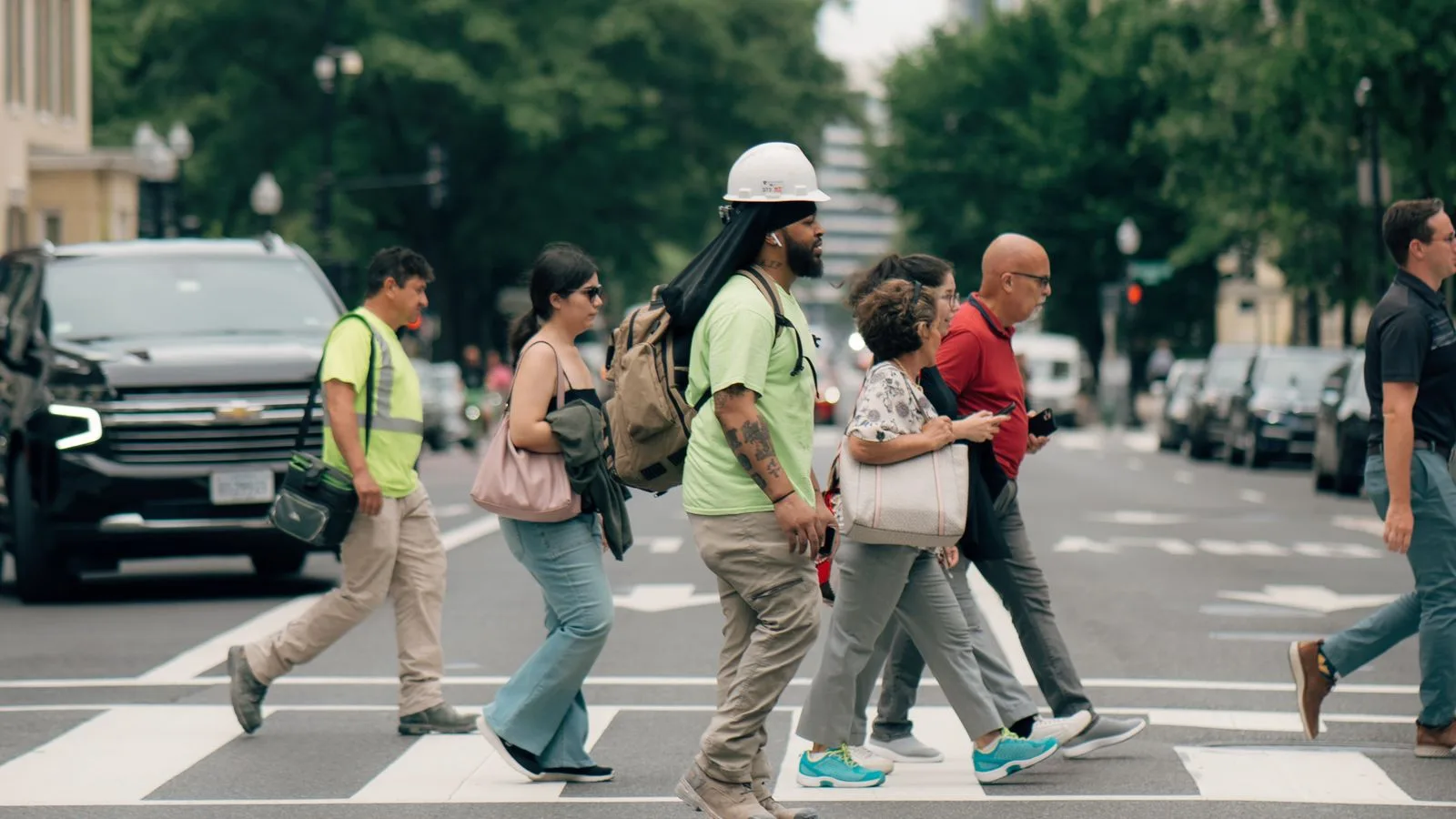
A pedestrian or bicycle accident claim in Temple arises when a motor vehicle strikes a person on foot or a rider on a bicycle at locations such as the signalized crossings on SH-36, FM-93, or the medical-district approaches off Central Avenue, where Texas law requires drivers to yield to pedestrians in marked crosswalks and to treat cyclists as lawful vehicle operators. The absence of any surrounding structure means even a moderate-speed impact produces serious lower-extremity fractures, TBI, or internal injuries requiring care at Baylor Scott & White Medical Center – Temple. These claims are filed in the Bell County district courts in Belton under the two-year limitations period of § 16.003, and the core liability fight is nearly always a Chapter 33 comparative-fault dispute about who had the right-of-way.
Why Temple cases are different
People on foot and on bikes around Temple's medical district and downtown share intersections with commuter and medical-campus traffic moving at speed, and a pedestrian struck near the SH-36 crossings or the Loop 363 and FM-93 interchanges has no protection when a driver fails to yield.
Crosswalk right-of-way and driver inattention near the medical district
Texas law gives a pedestrian the right-of-way in a marked crosswalk and at most intersections and requires drivers to exercise due care to avoid hitting anyone on foot. In Temple the danger concentrates where heavy traffic meets people crossing: the at-grade signalized intersections along SH-36, the medical-district approaches off Central Avenue and FM-93, and the Loop 363 interchanges that funnel cross-town traffic. A driver focused on the queue ahead, turning right on red, or accelerating to clear a light during a shift-change window is the typical at-fault scenario. These cases turn on right-of-way and lookout: where the pedestrian was, whether a signal or crosswalk controlled the crossing, and whether the driver had time to react. Inside city limits, Temple Police investigate and city-operated signal timing may be recoverable, which can settle a disputed crossing.
Severe injuries and the comparative-fault defense
An unprotected pedestrian or cyclist struck even at moderate speed often suffers fractures, internal injuries, or a traumatic brain injury and is transported to the Baylor Scott & White Temple Level I trauma center, the regional facility that absorbs the most serious pedestrian cases from across Bell and the surrounding counties. The recurring defense is comparative fault under Chapter 33: that the person darted out, crossed against a signal, or wore dark clothing. Because Texas reduces or bars recovery based on the injured person's share of fault, that argument is the battleground in nearly every case. We meet it with the physical evidence: impact location, the vehicle's path, signal timing, and the driver's duty to keep a lookout and yield. For cyclists, we document that a bicycle has the rights of a vehicle on the roadway, which reframes a 'cyclist was in the road' argument as lawful lane use.




Frequently asked
Temple pedestrian accident questions
- Not automatically, but Texas law gives pedestrians the right-of-way in a marked crosswalk and at most intersections, which puts the burden on the driver to show why they could not yield. The signal, the crosswalk, and where you were when struck are what matter. Witnesses and camera footage from nearby vehicles or businesses help establish you had the right-of-way.
- That is the standard comparative-fault defense under Chapter 33, meant to shift blame to reduce the recovery. We counter it with physical evidence: point of impact, the vehicle's path and speed, signal timing, and lookout. On Temple's at-grade SH-36 and Central Avenue crossings, drivers still owe a duty to watch for people on foot, especially in congested shift-change traffic.
- Yes. Under Texas law a bicycle has the rights and duties of a vehicle on the roadway, so a cyclist riding lawfully in the lane is not 'in the way.' That reframes a common defense argument. The case still turns on who had the right-of-way and whether the driver kept a proper lookout, and your injuries are evaluated like any serious-trauma claim.
- In the Bell County district courts in Belton for claims above the justice-court threshold, under the two-year limitations period in Tex. Civ. Prac. & Rem. Code § 16.003. If the at-fault vehicle belonged to a governmental entity — a city vehicle, school district bus, or county unit — the Texas Tort Claims Act applies and requires pre-suit notice within six months, so the entity status of the vehicle is confirmed at intake.
- Yes, through your own auto policy's uninsured motorist coverage, which extends to you as a pedestrian or cyclist, not just as a vehicle occupant. Texas requires insurers to offer UM/UIM coverage. We check your own policy at intake and identify any other applicable layers, including any resident-relative policy, before evaluating whether additional sources of recovery exist.
- Get into appropriate follow-up care quickly. Pedestrian and cyclist impacts often produce internal injuries, disc injuries, and mild TBI that are not fully captured at the initial ER visit at a high-volume trauma center. The medical chronology built after the ER visit — through outpatient imaging, neurology, or orthopedic consultations — is what accurately documents the full injury picture before any settlement is reached.
Where we work from
Downtown Austin. Temple clients welcome.
Our office is in downtown Austin; we represent Temple-area clients statewide and travel to Temple for case-specific needs (scene visits, medical-records consultations, court appearances). Home and hospital visits when injuries make travel difficult.
Talk to a Temple pedestrian accident lawyer.
Free case review, no obligation. We'll tell you straight whether we can help.