
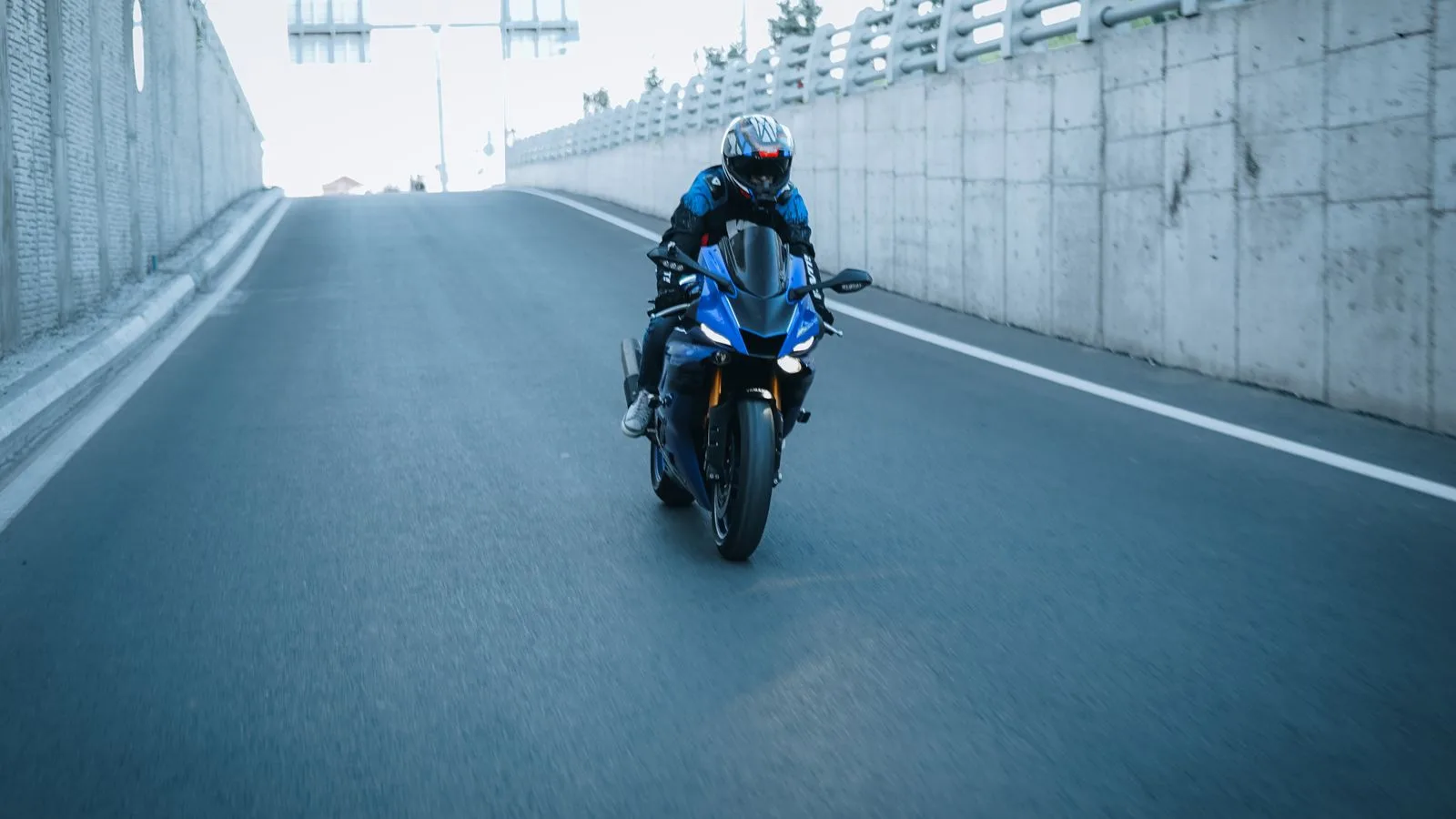
Waco · Motorcycle Accident
Waco Motorcycle Accident Lawyer
A motorcycle crash claim in the Waco area applies Texas modified comparative fault to a collision where a rider's lack of structural protection routinely produces severe injuries from impacts that would cause minor damage to a passenger car. When a driver turning left across New Road or Valley Mills Drive fails to yield to an oncoming motorcycle, or makes an unsafe lane change in the I-35 reconstruction zone near South Loop 340, the injured rider may pursue a negligence claim governed by Chapter 33 of the Civil Practice and Remedies Code. A rider found fifty percent or less at fault recovers damages reduced by that share; reaching fifty-one percent bars any recovery. Claims are filed in the McLennan County district courts under the two-year deadline at Tex. Civ. Prac. & Rem. Code § 16.003.
Why Waco cases are different
Riders moving through Waco face the same I-35 construction-zone congestion and US-77 commercial-corridor traffic that drives the city's car crashes, but at far higher stakes: a left-turn or lane-change miss that bruises a car driver can put a motorcyclist into the trauma bay at Baylor Scott & White Hillcrest.
Left-turn and lane-change crashes on US-77 and the I-35 corridor
The most common rider fact pattern in Waco is a driver who fails to see the motorcycle: a left turn across the rider's path at a signalized US-77 intersection along New Road or Valley Mills Drive, or an unsafe lane change in the compressed, shoulder-narrowed traffic of the I-35 reconstruction zone. Texas requires a driver turning left to yield to oncoming traffic, and the violation of that duty is often the core of the case. The challenge is rider bias: adjusters and McLennan County jurors sometimes assume the motorcyclist was speeding or weaving even when the physical evidence and the turning driver's own statement show otherwise. We anchor fault in the scene evidence, the point of impact, signal timing on the US-77 crossings, and any dashcam footage from nearby vehicles before that bias has a chance to take hold and drive down the value of the claim.
Severe injuries and the Chapter 33 fault fight
A rider has no crumple zone, so a Waco motorcycle crash often sends a patient straight to Baylor Scott & White Hillcrest, with the most serious multi-system trauma helicopter-transported on to the Level I trauma center at Baylor Scott & White Temple. Orthopedic fractures, road rash requiring debridement, and head injuries are common even when a helmet was worn. Texas does not bar an adult rider from recovering for going unhelmeted, but the defense still tries to inflate the rider's share under Chapter 33 proportionate responsibility, and because a rider found fifty-one percent or more at fault recovers nothing, every percentage point matters. That makes the liability investigation inseparable from the damages case. We also watch the medical record closely, because a fast Waco ER discharge sometimes documents the obvious fracture while a disc injury or mild TBI surfaces only on follow-up imaging across the Hillcrest and Temple records.



Frequently asked
Waco motorcycle accident questions
- It usually helps. A driver who admits he did not see you before turning left or changing lanes is conceding he failed to keep a proper lookout and yield, which are core duties under Texas law. The 'I never saw the bike' statement appears in many Waco rider cases and is often the foundation of the liability argument rather than a defense to it.
- Yes. Texas does not bar an adult rider from recovering for not wearing a helmet. The defense may raise it to shift fault under Chapter 33, especially on head-injury damages, but it does not end the claim. The stronger your liability evidence on how the crash happened, the less traction that argument gets with a McLennan County jury.
- It can be. A fast trauma ER triages to the obvious injury, and disc herniations or mild TBIs often do not surface until follow-up imaging or a specialist consult. The adjuster anchors to the discharge note, so we route clients into appropriate outpatient diagnostics quickly to make sure the medical chronology reflects the full injury before any demand goes out.
- In the McLennan County district courts at the courthouse on Washington Avenue for claims above the justice-court threshold. Venue under Tex. Civ. Prac. & Rem. Code § 15.002 is proper where the crash occurred, and the two-year limitations period at § 16.003 applies. If the at-fault driver was operating a commercial vehicle for an out-of-state carrier, federal diversity removal to the Western District of Texas, Waco Division, is a separate question we evaluate before filing.
- The narrowed shoulders, lane shifts, and temporary configurations in the I-35 reconstruction zone between South Loop 340 and the Lacy-Lakeview exits create specific hazards for riders. If a lane-change or merge crash happens in that zone, the defense often argues that construction-zone signage put the rider on notice to slow down. Securing the construction contract's lane-configuration records and any project-camera footage early strengthens the liability case.
- The legal framework is the same: Texas modified comparative fault, a two-year statute under § 16.003, and filing in McLennan County district court. The Loop 340 and US-84 corridors funnel Lake Waco and Robinson commuter traffic, and the crash dynamics there can differ from the construction-zone pattern on I-35. The investigation still centers on the physical evidence, signal timing, and any available footage from nearby cameras.
Where we work from
Downtown Austin. Waco clients welcome.
Our office is in downtown Austin; we represent Waco-area clients statewide and travel to Waco for case-specific needs (scene visits, medical-records consultations, court appearances). Home and hospital visits when injuries make travel difficult.
Talk to a Waco motorcycle accident lawyer.
Free case review, no obligation. We'll tell you straight whether we can help.