
Amarillo · Truck Accident
Amarillo Truck Accident Lawyer
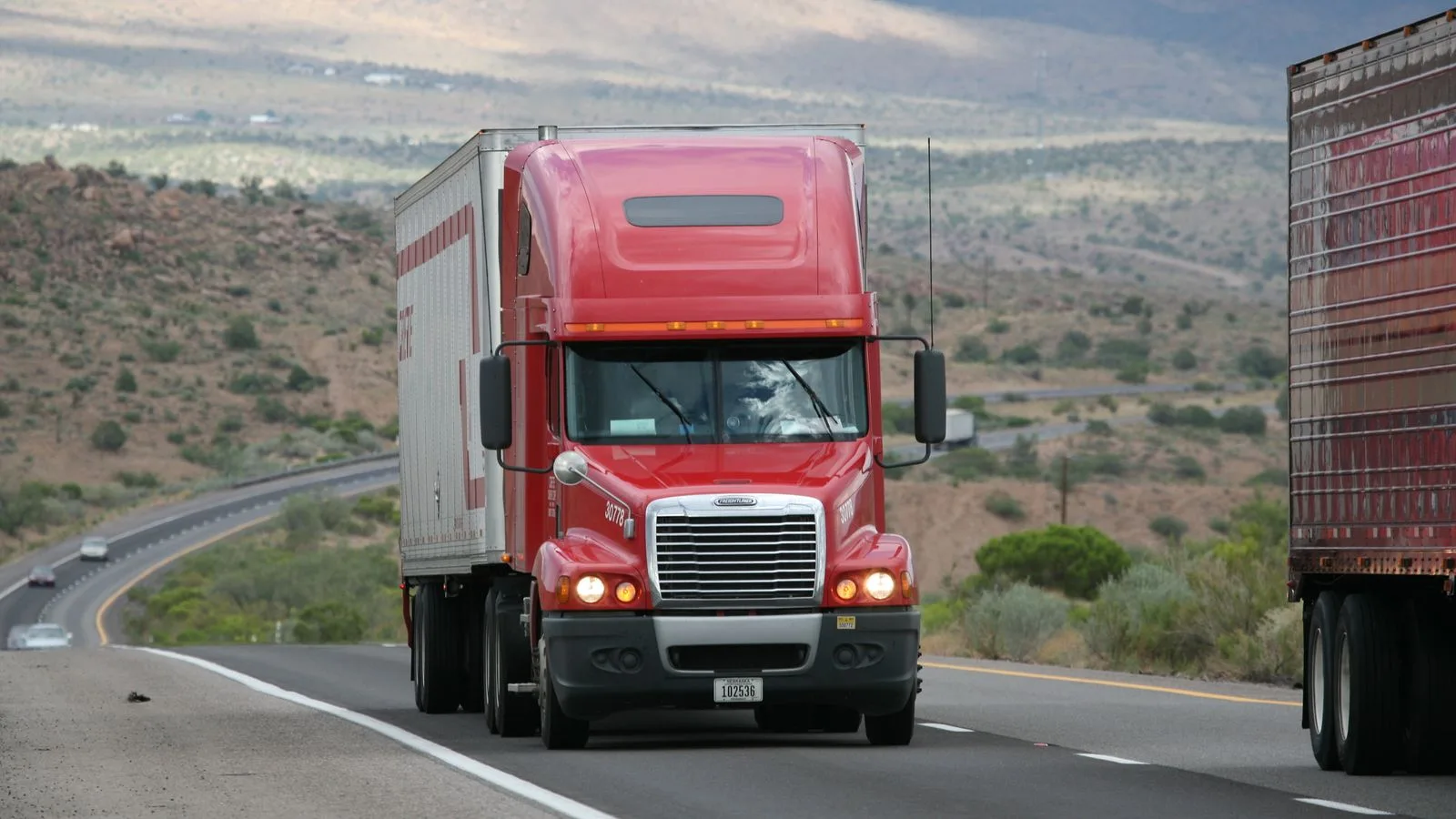
A commercial truck accident case in Amarillo arises when a tractor-trailer, cattle pot, feed hauler, or other FMCSA-regulated commercial vehicle crashes on corridors like I-40, I-27, US-287, or US-87 through Potter or Randall County. The case goes beyond ordinary negligence: federal regulations at 49 C.F.R. Parts 350-399 impose mandated record-keeping on the driver and carrier, and Texas law allows direct negligence claims against the motor carrier itself for hiring, training, supervision, and entrustment failures. Suit must be filed within two years under Tex. Civ. Prac. & Rem. Code § 16.003, but the practical deadline for evidence preservation is days, not years.
Why Amarillo cases are different
Amarillo's commercial-vehicle docket is driven by I-40, one of the busiest transcontinental truck corridors in the United States, and by the heavy regional freight — cattle pots, feed haulers, energy-sector rigs, and grain trucks — that uses I-27, US-287, and US-87 through Potter and Randall counties. Every one of those carriers is governed by the Federal Motor Carrier Safety Regulations, and Panhandle cases are almost always fought over logs, telematics, and a company's safety program.
I-40 and the FMCSA framework: what the records say
The tractor-trailers and heavy commercial vehicles running I-40 through Amarillo are subject to 49 C.F.R. Parts 350-399 regardless of where the carrier is domiciled. Those federal regulations control hours-of-service limits, electronic logging device records, driver-qualification files, drug and alcohol testing, and pre-trip inspection requirements. After a serious crash, the most valuable evidence lives in the carrier's systems: the tractor's electronic control module, the driver's ELD file for the prior fourteen days, dispatch and messaging logs, fuel and toll receipts, and any forward-facing camera footage. That evidence is overwritten on routine retention schedules, sometimes within weeks. A formal spoliation letter sent within the first days after the crash is the minimum required to lock it in place. A fatigue picture — excessive driving inside or outside the hours-of-service window, with inadequate rest periods reflected in the ELD data — is one of the most common findings in Amarillo I-40 cases once the logs are pulled.
Cattle pots, feed haulers, and energy rigs on US-287 and US-87
Beyond the transcontinental I-40 freight, the Panhandle's agricultural and energy economy generates a second tier of commercial traffic: cattle pots heading north on US-87 toward Dumas, feed and grain haulers on US-287, and oilfield and energy-sector service trucks moving through both corridors. These vehicles are often operated by smaller regional carriers with thinner insurance stacks and weaker safety programs than the large national fleets, which changes the liability investigation. Direct negligence theories — negligent hiring, training, supervision, and entrustment — become more important when the driver's qualification record shows gaps or prior violations that the carrier failed to catch. Under 49 C.F.R. § 376.12, a carrier whose authority operates a leased owner-operator remains liable even if the driver was nominally an independent contractor. Identifying every responsible entity and every layer of coverage — primary, excess, and umbrella — is what separates these cases from a standard auto claim.
More in Amarillo
Other ways we help Amarillo injury victims.



Frequently asked
Amarillo truck accident questions
- Federal regulations require the carrier to maintain the driver's electronic logging device records, the tractor's electronic control module data, driver qualification files, pre-trip inspection reports, and post-crash drug and alcohol testing results. These records are mandated by 49 C.F.R. Parts 350-399. The problem is that they cycle off routine retention schedules within months, so a preservation demand must go out within the first week after the crash.
- Usually not. Under 49 C.F.R. § 376.12, the carrier whose operating authority the truck was running under remains legally responsible even if the driver had an independent-contractor agreement. Texas courts also apply negligent-entrustment and negligent-hiring theories directly against the carrier. The 'independent contractor' label is a common defense move, not a legal shield.
- No. Commercial drivers have a heightened duty to operate safely for conditions, which includes reducing speed and increasing following distance when visibility drops on I-40. A carrier whose driver plows into slowed traffic in deteriorating weather cannot hide behind the weather; the question is whether the driver complied with the duty to adjust. The ECM data, showing speed and brake application in the seconds before impact, usually answers that question.
- Most serious crash suits are filed in Potter County or Randall County district court, depending on where the crash occurred and where the parties reside. If the carrier is headquartered outside the Panhandle, alternative venues may be available under Tex. Civ. Prac. & Rem. Code § 15.002. Venue selection can materially affect case value and timeline, so we evaluate it before suit is filed.
- Two years from the date of injury under Tex. Civ. Prac. & Rem. Code § 16.003. But the practical deadline for evidence preservation is days. Large carriers dispatch rapid-response investigators immediately after a serious crash, and the electronic records have short retention windows. Waiting until the second year to contact counsel typically means the most important evidence is gone.
- Yes. Texas law allows direct claims against the motor carrier for negligent hiring, training, supervision, and entrustment, separate from vicarious liability for the driver's negligence. Those direct claims can survive even when the carrier concedes that the driver was acting in the course of employment. This matters because it keeps the carrier's own safety program — qualification records, training files, and any history of violations — relevant and discoverable.
Where we work from
Downtown Austin. Amarillo clients welcome.
Our office is in downtown Austin; we represent Amarillo-area clients statewide and travel to Amarillo for case-specific needs (scene visits, medical-records consultations, court appearances). Home and hospital visits when injuries make travel difficult.
Talk to a Amarillo truck accident lawyer.
Free case review, no obligation. We'll tell you straight whether we can help.