
Areas served
Fort Stockton Personal Injury Lawyer
Fort Stockton is the county seat of Pecos County and the southern oilfield-service gateway into the Permian Basin, sitting where I-10 and US-385 intersect in some of the most truck-heavy and most rural country in Texas. Cases above the JP-court threshold are filed in Pecos County district court, which sits in Fort Stockton itself, and apply the same Tex. Civ. Prac. & Rem. Code § 16.003 two-year limitations and 51%-bar comparative-fault rules that govern the rest of the state. What sets Fort Stockton apart is the geography: this is genuinely rural West Texas; populations are small, EMS response times on the surrounding state and FM highways run long, district court schedules are sparse, and almost every serious case we open here involves a commercial truck regulated by the Federal Motor Carrier Safety Administration.
Fort Stockton roads: the I-10 freight artery and the basin feeders
I-10 through Pecos County is one of the most commercial-truck-saturated stretches of interstate in Texas, carrying long-haul freight between Houston and California alongside oilfield-bound service trucks running between San Antonio and the southern Permian. The eastbound and westbound mainlanes near the Fort Stockton interchanges with US-385 and US-67 are where most of our intake originates: fatigued long-haul drivers and frequent stop-start traffic at the truck-stop concentration around the city. US-385 north toward Crane and south toward Marathon is the primary oilfield-service spine running through the southern basin, and FM roads fanning out across Pecos County feed active pad sites with water haulers, sand pneumatics, and crew transports. Inside Fort Stockton itself, US-290 / W. Dickinson Boulevard and the Main Street corridor handle local traffic; serious injuries inside city limits are less common than on the surrounding highways.
Pecos County district court: venue and the rural-docket reality
Serious-injury cases out of Pecos County are filed in the 83rd or the 143rd District Court, both of which sit in Fort Stockton. The 83rd is a multi-county district court that also serves Brewster, Jeff Davis, Presidio, Reeves, and (in rotation) other surrounding counties; the 143rd similarly covers a multi-county footprint. The practical effect is that district court dockets here are sparser than in metropolitan counties — fewer civil settings per month, fewer civil trial weeks per year — which makes case scheduling a real planning task. Venue under Tex. Civ. Prac. & Rem. Code § 15.002 is proper where the events occurred or where the defendant resides; for Pecos County crashes against commercial defendants headquartered elsewhere, alternative venues materially affect both timing and settlement value. We evaluate that calculus before suit is filed.
Hospitals, long EMS response times, and air-ambulance routing
Pecos County Memorial Hospital in Fort Stockton is a small critical-access facility that stabilizes acute trauma but routinely transfers serious injuries out. The realistic trauma routing for a Pecos County crash with significant injuries is air ambulance: to Midland Memorial or Medical Center Hospital in Odessa for Level III care, to University Medical Center in Lubbock for Level I, or south to San Antonio. EMS ground response times on the surrounding rural state highways and FM roads regularly run twenty to forty minutes; on the more remote stretches of US-385 between Fort Stockton and Marathon, longer. That reality shapes the case in two ways: the medical chronology starts at a stabilization facility and then crosses one or two transfers before the definitive care record gets built, and the air-ambulance line on the medical specials is substantial.
Why almost every serious Pecos County case is a federal motor carrier case
The truck mix on I-10 and US-385 through Pecos County is overwhelmingly FMCSA-regulated commercial freight: long-haul tractor-trailers, oilfield service trucks, frac sand pneumatics, crude tankers, and crew transports. That means the case is fought on federal records: hours-of-service logs (49 C.F.R. Part 395), driver qualification files (Part 391), post-crash drug and alcohol testing (Part 382), pre-trip inspection records (Part 396), and electronic control module data from the tractor. A spoliation letter has to go out within days of the crash, before the carrier's normal retention schedules cycle the data out, and the documents are typically more dispositive than witness testimony given how thinly populated the relevant stretches of road are. Texas allows direct claims against the motor carrier — negligent hiring, training, supervision, retention, entrustment — that survive even when the carrier admits respondeat superior, when gross negligence is in play.
Fort Stockton practice areas
How we help Fort Stockton injury victims.
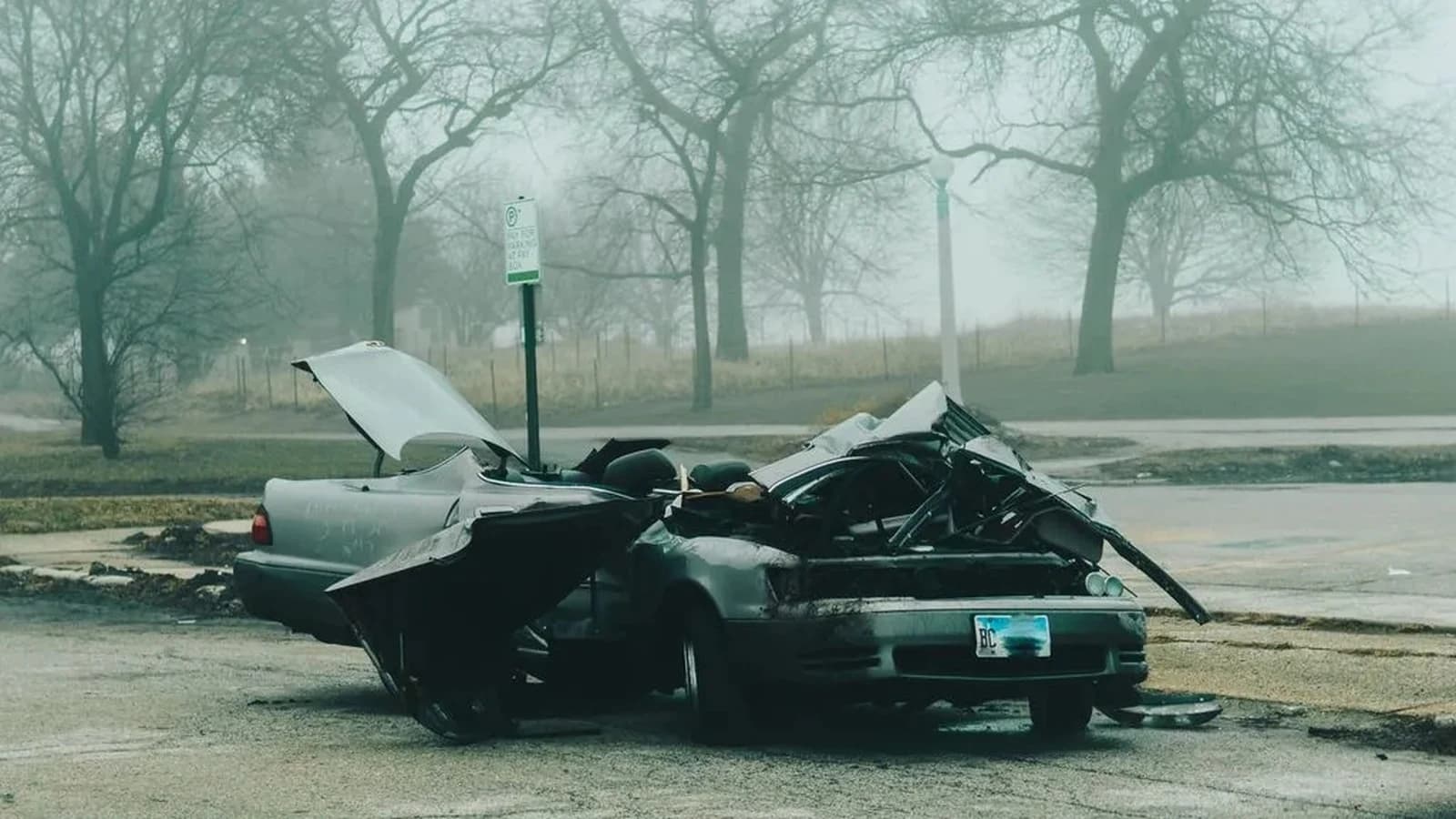
Fort Stockton Car Accident Lawyer
Learn more →

Fort Stockton Catastrophic Injury Lawyer
Learn more →
Fort Stockton Dog Bite Lawyer
Learn more →

Fort Stockton Motorcycle Accident Lawyer
Learn more →
Fort Stockton Pedestrian Accident Lawyer
Learn more →

Fort Stockton Slip & Fall Lawyer
Learn more →
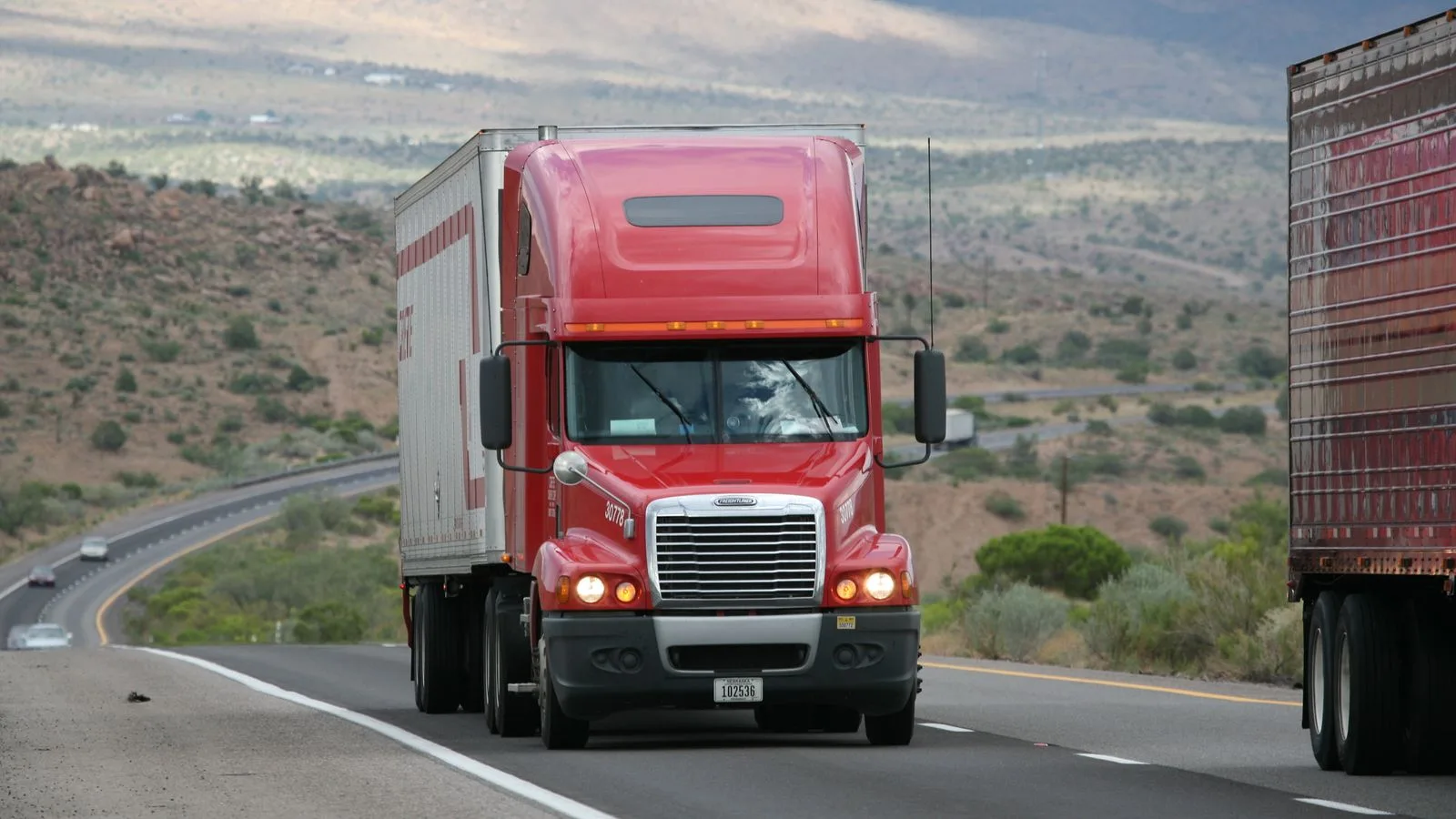
Fort Stockton Truck Accident Lawyer
Learn more →
Frequently asked
Questions Texas accident victims ask us
- Yes, most of the time. Pecos County district court, the 83rd or the 143rd, sits in Fort Stockton and hears the bulk of serious-injury filings arising in the county. The district courts here also serve surrounding counties on a multi-county basis, so civil settings are sparser than in a metropolitan county. For commercial-defendant cases against carriers headquartered elsewhere, alternative venues under Tex. Civ. Prac. & Rem. Code § 15.002 may be available, and that choice often affects timing as much as settlement value.
- Pecos County Memorial Hospital in Fort Stockton is a critical-access facility that stabilizes acute trauma. For serious injuries, patients are routinely air-ambulanced to Midland Memorial or Medical Center Hospital in Odessa (Level III), to University Medical Center in Lubbock (Level I), or south to San Antonio. The medical chronology in a Pecos County file typically runs across two or three facilities, and the air-ambulance billing is a substantial line item we build into the demand.
- Pecos County covers roughly forty-eight hundred square miles of West Texas, bigger than the state of Connecticut, with a population in the low teens of thousands. EMS ground response on the surrounding state and FM highways routinely runs twenty to forty minutes; on remote stretches, longer. That reality affects survivable-injury outcomes and shapes how juries understand the scene. It also makes documenting the timeline — dispatch logs, on-scene time, transport time, definitive-care arrival — a real part of the case build.
- The full federal motor carrier evidence set: the tractor's ECM data, the driver's ELD logs for at least the prior fourteen days, fuel and toll records, dispatch communications, post-crash drug and alcohol testing results, the driver qualification file under 49 C.F.R. § 391.51, the carrier's prior crash and inspection history through FMCSA SAFER, and any in-cab or forward-facing camera footage. A formal spoliation letter goes out within days of intake. Carrier retention schedules cycle this data out within months.
- Two years from the date of injury under Tex. Civ. Prac. & Rem. Code § 16.003. Statewide statute; no Pecos County variation. Exceptions exist for minors and for claims against governmental entities, which require pre-suit notice within six months under the Texas Tort Claims Act. For commercial truck cases, the practical evidence-preservation window is far shorter than two years — weeks, not years — because ELD and ECM data does not survive the carrier's normal retention cycles.
- We are direct at intake: Fort Stockton is roughly five and a half hours from our Austin office, and that travel is part of the cost of doing the case right. Most pre-trial work — discovery exchanges, motion practice, depositions of out-of-state corporate witnesses — runs by video or written exchange. Court appearances, key depositions, and trial are in-person and require travel days. The boutique trade is that the attorney making those trips is the attorney who signed your case. We do not refer the file to local counsel.
- Neither, as a rule. The damages calculus — medical specials, future care, lost earning capacity, pain and suffering — runs on the same Texas substantive law regardless of where the crash happened. What changes is the evidence environment: thinner witness availability, longer EMS response, more reliance on federal motor carrier documentation, and a Pecos County jury pool that has its own characteristics. Those factors shape strategy and venue choice; they do not inherently raise or lower value.
- Texas substantive law still governs because the crash occurred in Texas, and personal jurisdiction over the out-of-state driver attaches under Texas long-arm statute principles. Practically, you are dealing with the at-fault driver's home-state insurance policy, which may have different coverage minimums and procedural quirks than a Texas policy. Your own Texas UM/UIM coverage may also come into play if the at-fault driver was underinsured. For a commercial driver, the motor carrier's FMCSA-mandated coverage answers first.
Let's talk about your case.
Free case review, no obligation. We'll tell you straight whether we can help.