
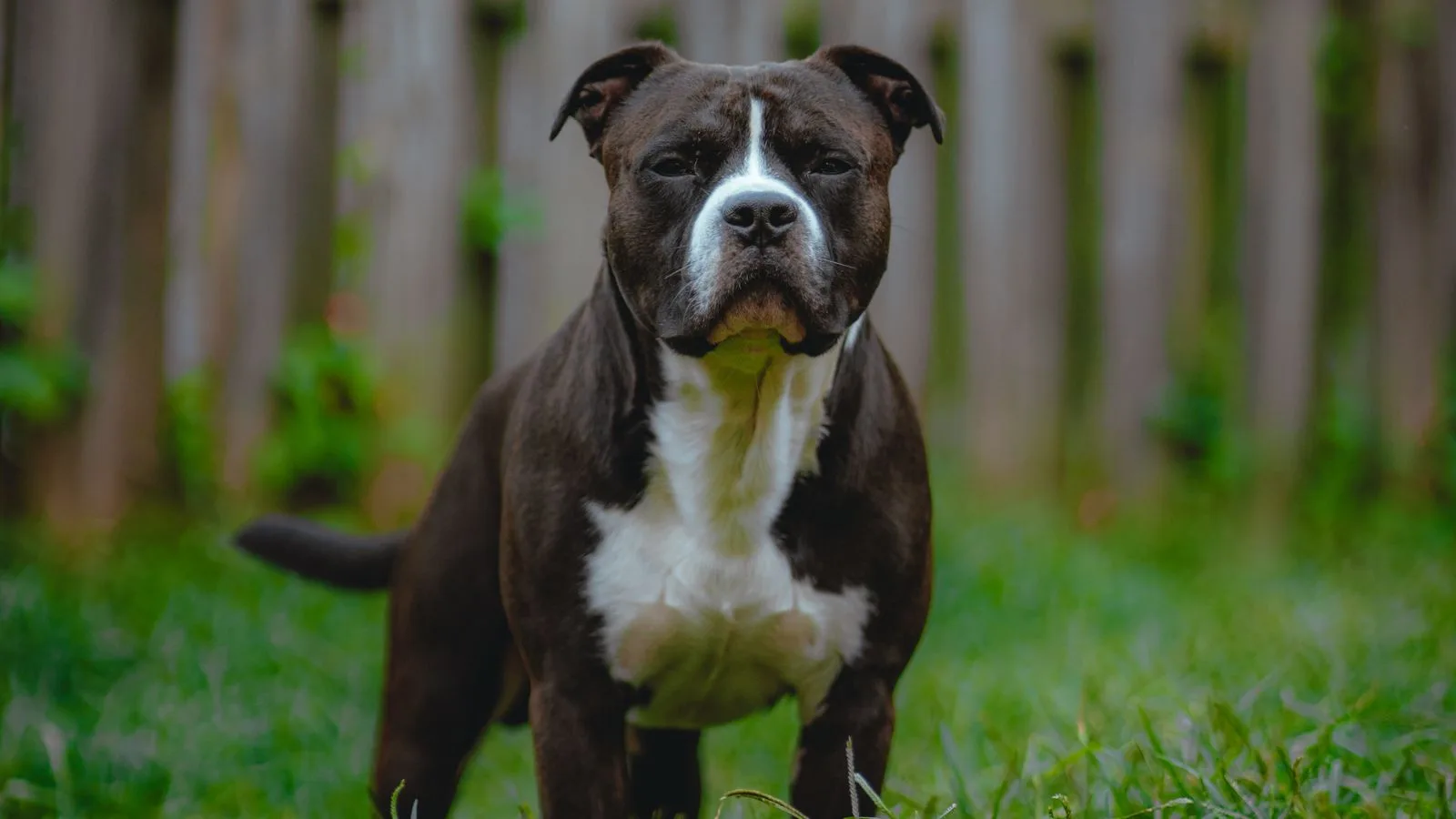
Fort Stockton · Dog Bite
Fort Stockton Dog Bite Lawyer
A dog-bite claim in Fort Stockton rests on Texas's knowledge-based liability rule: an owner is liable when they knew or had reason to know the animal had dangerous propensities, such as prior biting or aggressive behavior — what courts call the one-bite framework under Marshall v. Ranne — or when ordinary negligence, such as a failure to leash or confine a dog on a large Pecos County rural property, caused the attack. Unlike a vehicle collision on I-10, this is an animal-attack fact pattern centered on the owner's knowledge and the adequacy of restraint, not on road conditions or federal regulations. The two-year statute of limitations under Tex. Civ. Prac. & Rem. Code § 16.003 applies, tolled for minor victims. Serious injuries from attacks in Fort Stockton typically begin at Pecos County Memorial Hospital and require specialty transfer for reconstructive work.
Why Fort Stockton cases are different
Dog-bite injuries in Pecos County tend to happen at homes and rural properties across Fort Stockton's spread-out community, and Texas law ties recovery to the owner's knowledge and conduct, with serious and facial wounds often requiring the same out-of-county transfers that other trauma cases do.
Texas owner liability turns on knowledge and negligence
Texas does not impose automatic strict liability on every dog owner. Recovery generally runs along two tracks. The first is the long-standing rule that an owner who knew, or had reason to know, the animal had dangerous propensities, a prior bite or aggressive behavior, can be held liable for injuries it causes. The second is ordinary negligence, where an owner who failed to restrain or control a dog, or violated a local leash or confinement requirement, is liable for the foreseeable harm that follows. In rural Pecos County, where dogs are frequently kept on large unfenced properties, the negligence track and the question of reasonable restraint are often where these cases live. We investigate the dog's history, any prior complaints, and the circumstances of the attack to establish which track applies.
Severe wounds and homeowner coverage
Dog attacks produce disproportionately severe injuries, deep puncture wounds, crush damage, nerve injury, and facial lacerations that frequently require surgical repair, especially in children. Where a Pecos County bite is serious, Fort Stockton's geography again shapes the medical course: Pecos County Memorial Hospital stabilizes the wound, but reconstructive and specialty care typically means transfer to a larger facility in Odessa, Midland, Lubbock, or San Antonio. On the recovery side, the most common source of compensation is the dog owner's homeowner or renter insurance liability coverage, which usually responds to bite claims unless a specific exclusion applies. We identify the applicable policy early and document the full injury picture, including future scar-revision needs, so the claim reflects the true long-term cost of a facial or disfiguring wound.
More in Fort Stockton
Other ways we help Fort Stockton injury victims.





Frequently asked
Fort Stockton dog bite questions
- No. Texas generally requires showing either that the owner knew the dog had dangerous propensities, such as a prior bite, or that the owner was negligent, for example by failing to restrain the dog or violating a local leash or confinement rule. In rural Pecos County, the negligence track and the reasonableness of restraint are often the heart of the case.
- Most often the dog owner's homeowner or renter insurance liability coverage, which typically responds to bite claims unless a specific exclusion applies. We identify the applicable policy early. For severe wounds requiring transfer to Odessa, Lubbock, or San Antonio for reconstructive care, we document the full treatment course and any future scar-revision needs.
- Facial bites in children frequently require surgical repair and later scar-revision procedures, so the claim must account for future, not just current, treatment. Texas also pauses the two-year limitations clock for minors in defined ways. We document the complete injury picture, including reconstructive projections, so the case reflects the long-term cost rather than only the initial emergency care.
- Yes, through the negligence track. If the owner failed to confine or leash the animal, violated a local restraint ordinance, or handled it in a way a reasonable person would recognize as dangerous to others, liability can attach without a prior bite. In rural Pecos County, where dogs often roam unfenced properties, the adequacy of confinement and the owner's supervision are frequently the key questions.
- A landlord or property manager who had actual knowledge of a tenant's dangerous dog and the legal authority to require its removal can also be held liable under Texas law for failing to act. That shifts the claim to the complex's commercial general liability policy. We identify the chain of notice — resident complaints, management communications — to establish what the complex knew and when.
- Two years from the date of the attack under Tex. Civ. Prac. & Rem. Code § 16.003. For a minor victim, the clock is tolled in defined ways until the child reaches adulthood, which matters especially for children who face future scar-revision surgeries that are not yet scheduled at the time the attack occurs. We identify the applicable tolling rules at the outset of each file.
Where we work from
Downtown Austin. Fort Stockton clients welcome.
Our office is in downtown Austin; we represent Fort Stockton-area clients statewide and travel to Fort Stockton for case-specific needs (scene visits, medical-records consultations, court appearances). Home and hospital visits when injuries make travel difficult.
Talk to a Fort Stockton dog bite lawyer.
Free case review, no obligation. We'll tell you straight whether we can help.