
Areas served
Harlingen Personal Injury Lawyer
Harlingen sits in central Cameron County at the crossing of US-77 and US-83 — the only place in deep South Texas where both major federal highways meet — and serves as the geographic and medical hub of the lower Rio Grande Valley. Serious-injury filings here are heard in the Cameron County district courts at the courthouse in Brownsville, applying the same Tex. Civ. Prac. & Rem. Code § 16.003 two-year limitations period and Chapter 33 proportionate-responsibility rules that govern the rest of Texas. Harlingen's distinctive case mix flows from that geography: the US-77/US-83 interchange concentrates regional freight traffic, Valley International Airport sits on the east side of the city, Valley Baptist Medical Center Harlingen carries the heaviest trauma capacity in the lower Valley, and the surrounding farm-market roads carry citrus and agricultural-equipment traffic that other Texas markets do not see. Cap City is an Austin boutique that represents Cameron County clients statewide.
US-77, US-83, FM-509, and the Harlingen road network
Harlingen's defining traffic feature is the US-77/US-83 interchange just north of downtown. US-77 runs north to Kingsville and Corpus Christi and south to Brownsville, while US-83 runs west across the Valley toward McAllen, Mission, and ultimately Laredo. The interchange is signed as part of the I-69E and I-2 systems and produces the highest concentration of high-speed merge and rear-end collisions in the lower Valley. FM-509 cuts north out of Harlingen toward Combes and Primera and is a heavily used farm-market road that mixes commuter passenger vehicles with citrus trucks and agricultural equipment moving between groves and processing facilities. Loop 499 around the south side of the city carries airport traffic and the Valley Baptist medical-district volume. Inside the city, Tyler Avenue, Ed Carey Drive, and Dixieland are the highest-volume arterials and concentrate the slow-speed urban collisions we see at intake. Visibility issues on the FM roads at dusk and crossing-equipment hazards are recurring liability themes.
Cameron County district courts: heard in Brownsville, originated in Harlingen
Harlingen does not have its own county courthouse for civil district matters. Suits arising in Harlingen are filed in the Cameron County district courts in Brownsville: the 103rd, 107th, 138th, 197th, 357th, 404th, 444th, and 445th, among others. Venue under Tex. Civ. Prac. & Rem. Code § 15.002 is proper where the events occurred or where the defendant resides, so a Harlingen crash with a Cameron-domiciled defendant defaults to Cameron County. Federal-court removal exposure runs to the U.S. District Court for the Southern District of Texas, Brownsville Division, on East Levee Street — relevant in Harlingen cases involving out-of-state commercial carriers or significant diversity-jurisdiction defendants. Where evidence and witnesses sit in Harlingen but the court sits 25 miles south in Brownsville, the practical case-management piece — depositions, mediations, scene work — runs differently than in a city with its own courthouse, and we plan logistics accordingly.
Valley Baptist Harlingen and the lower-Valley trauma chronology
Valley Baptist Medical Center Harlingen on Pease Street is the principal trauma destination for serious crashes across the lower Valley; patients are routinely transferred in from Brownsville, Raymondville, and the surrounding rural Cameron and Willacy County roadways for higher-acuity care than community ERs can provide. Harlingen Medical Center on South Commerce Street handles a substantial share of moderate-acuity admissions, and South Texas Health System Behavioral covers a specific patient population. Pediatric trauma may transfer further north to Driscoll Children's in Corpus. The recurring chart-review issue in Harlingen files is that Valley Baptist's ER runs high acuity, discharge instructions move quickly, and the second-encounter follow-up — orthopedic imaging, neurology consult, physical-medicine evaluation — is where the disc herniations, labral tears, and post-concussive symptom clusters actually get diagnosed. Insurers anchor on the discharge note. We build the demand from the complete chart, not the summary line.
Valley International Airport, agriculture, and Harlingen's specific patterns
Valley International Airport on the east side of the city is the second-busiest commercial airport in the Valley and brings rental-car, rideshare, hotel-shuttle, and out-of-town driver patterns that look different from a typical lower-Valley case mix. The traffic on Loop 499 and the access roads into the airport concentrates rear-end and lane-change collisions involving unfamiliar drivers in unfamiliar vehicles, which raises specific liability themes around posted signage and lane configuration. Harlingen's agricultural economy adds a layer most Texas cities do not see: citrus groves north and west of the city move product on FM-509, FM-507, and the surrounding farm-market roads, and farm-equipment crossings, slow-moving combines, and grove-worker pedestrian traffic during harvest seasons produce a distinct injury pattern. Maquiladora-linked freight transiting from the Brownsville and Hidalgo bridges north toward San Antonio uses US-77 through Harlingen, putting commercial-trucking defendants into the local file mix.
Harlingen practice areas
How we help Harlingen injury victims.
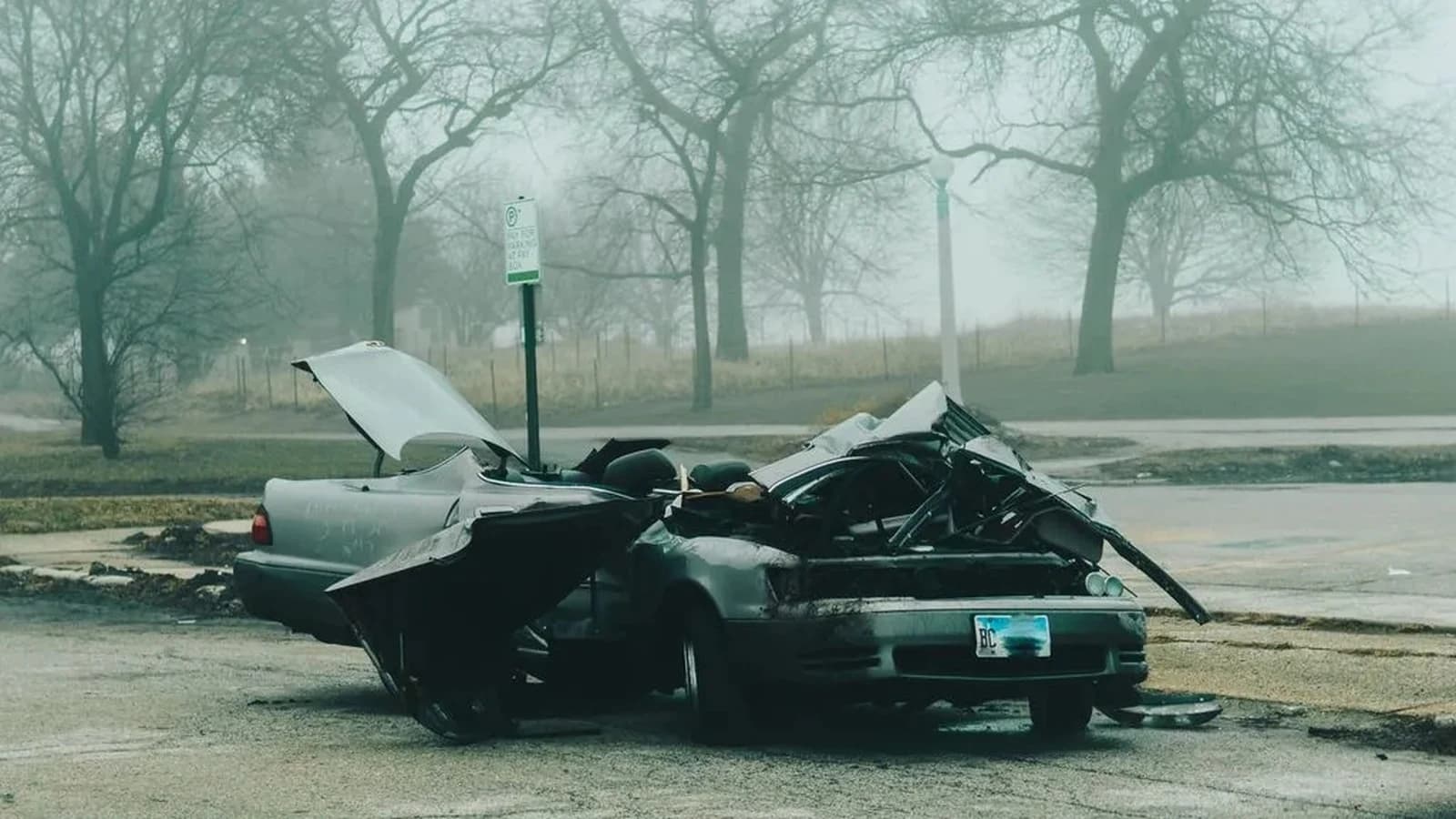
Harlingen Car Accident Lawyer
Learn more →
Harlingen Catastrophic Injury Lawyer
Learn more →
Harlingen Dog Bite Lawyer
Learn more →

Harlingen Motorcycle Accident Lawyer
Learn more →
Harlingen Pedestrian Accident Lawyer
Learn more →

Harlingen Slip & Fall Lawyer
Learn more →
Harlingen Truck Accident Lawyer
Learn more →
Frequently asked
Questions Texas accident victims ask us
- Harlingen is in Cameron County, so suits are filed in the Cameron County district courts at the courthouse in Brownsville, roughly 25 miles south. Court assignment is by random docket draw. Cases involving out-of-state commercial defendants or significant diversity jurisdiction can be removed to the U.S. District Court for the Southern District of Texas, Brownsville Division. We evaluate venue and removal exposure under Tex. Civ. Prac. & Rem. Code § 15.002 before drafting the petition, because both can materially change the case strategy and timeline.
- Procedurally the court is the same. Practically, the evidence and the witnesses sit in different places. A Harlingen case has scene work, treating providers, police-department records, and lay witnesses concentrated 25 miles north of the courthouse, so depositions, scene visits, and treating-provider meetings cluster in Harlingen even though the file moves through Brownsville. We plan the logistics around that geography rather than letting it slow the case down.
- Honestly. Harlingen is one of the farthest markets from our Austin office and we tell every prospect that at intake. The math works for us because we keep a small caseload and we travel for the work that needs to happen on the ground: scene work, key treating-provider meetings, depositions, mediations, and Cameron County trial settings. Day-to-day client communication runs by phone, video, and email. Where a true local-counsel advantage exists for a specific procedural piece, we associate with Valley counsel and we say so.
- Valley Baptist Medical Center Harlingen on Pease Street is the primary trauma destination for serious crashes across the lower Valley and is the most common hospital in our Harlingen files. Harlingen Medical Center on South Commerce handles a substantial share of moderate-acuity admissions, and area specialty clinics pick up follow-up imaging and orthopedic care. Pediatric trauma may transfer to Driscoll Children's in Corpus. We see records from each of these facilities regularly and know what the ER discharge captures and what surfaces only at the second-encounter workup.
- No. Cameron County is bilingual, and we handle client communication, witness statements, and provider records in Spanish where that is the client's preference. Depositions and mediations are structured with qualified interpreters when the testimony will be in Spanish. The legal standards are the same in either language; we make sure the case is built on the client's actual account, not a rough translation a carrier could later try to exploit.
- Two years from the date of injury under Tex. Civ. Prac. & Rem. Code § 16.003, the statewide deadline. Claims against governmental defendants (the City of Harlingen, Cameron County, the Harlingen Consolidated Independent School District, Valley International Airport, the Cameron County Regional Mobility Authority) require pre-suit notice under the Texas Tort Claims Act within six months and sometimes much sooner under local charters. Call counsel well before the two-year mark so airport-area surveillance, signal timing data, and commercial telematics can still be preserved.
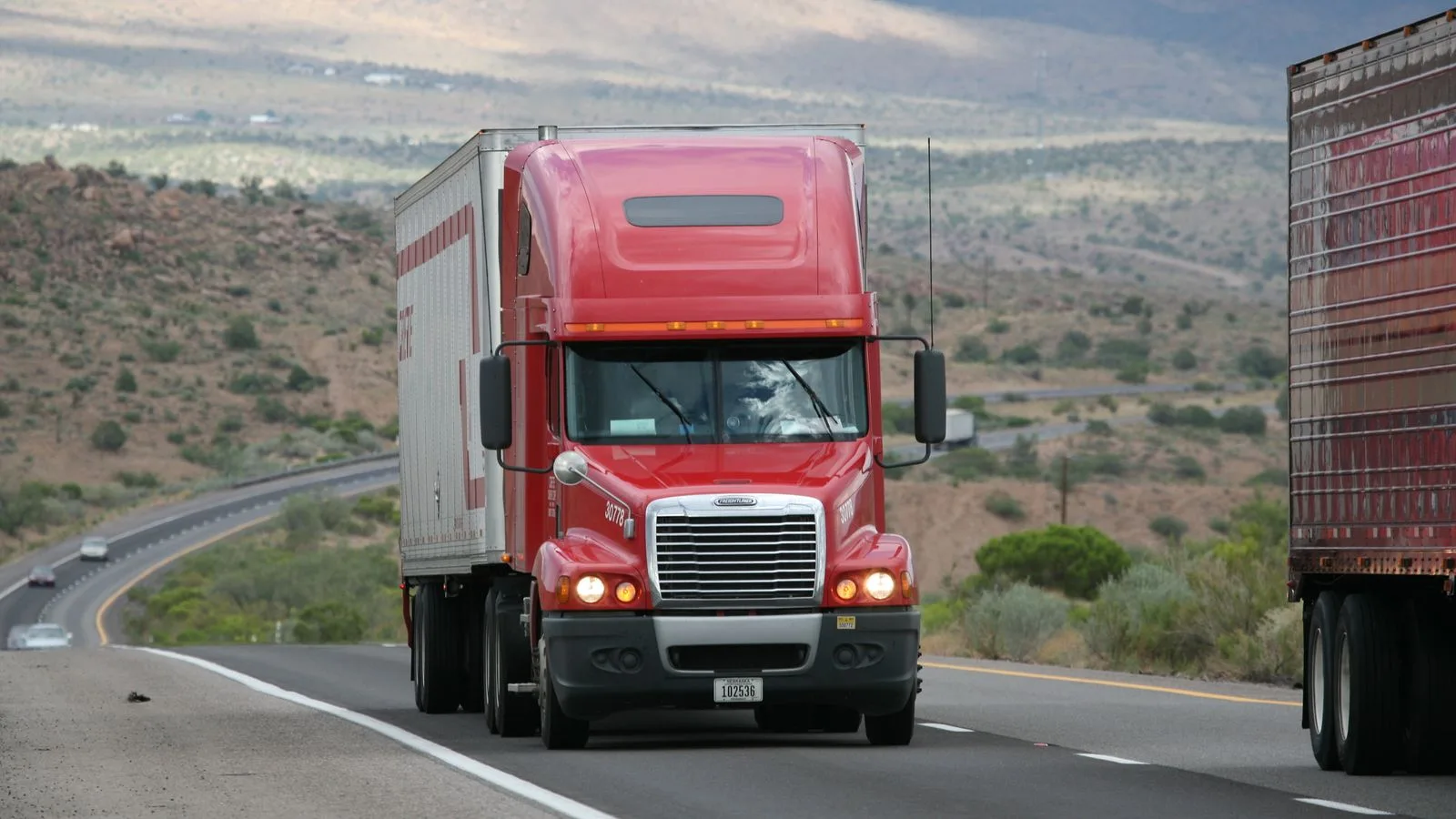
- Yes. Citrus-hauling and other agricultural commercial vehicles bring FMCSA records, ELD logs, and the carrier's CSA safety profile into discovery the same way any commercial-trucking case does. Where the equipment is a slow-moving combine, tractor, or grove implement, additional questions arise about whether the equipment was properly marked under Texas farm-vehicle regulations and whether the driver carried the appropriate license endorsements. Visibility and slow-moving-vehicle warning issues are recurring liability themes on FM-509 and the surrounding farm-market roads. The case is built around those specific evidence pieces.
- It can change the coverage analysis significantly. Rental-car cases involve the rental company's policy, the renter's personal auto coverage, and sometimes a credit-card-provided supplemental policy; and the order in which those layers respond is a coverage question on its own. Rideshare collisions involve the layered Uber/Lyft policy structure: personal coverage when the app is off, contingent coverage when the app is on but no ride accepted, and a higher commercial policy once a ride request has been accepted or a passenger is in the vehicle. We pull the trip status and the relevant coverage records early because both control the eventual demand value.
Let's talk about your case.
Free case review, no obligation. We'll tell you straight whether we can help.