
Areas served
Victoria Personal Injury Lawyer
Victoria sits at the convergence of US-77, US-87, and US-59 — the last of which is signed as Interstate 69 through much of the Crossroads region — and serves as a regional hub midway between Houston and Corpus Christi. Serious-injury filings out of Victoria are heard in the Victoria County district courts at the courthouse on North Bridge Street, applying the standard Tex. Civ. Prac. & Rem. Code § 16.003 two-year limitations period and Chapter 33 proportionate-responsibility rules. What makes Victoria distinct is its mixed urban-rural profile: a small but real city center, an oilfield-services economy that puts service-rig and contractor trucks on the highways every day, and a regional pull that draws medical, legal, and commercial traffic from a dozen surrounding rural counties. Cap City is an Austin boutique that represents Victoria-area clients statewide; the drive is roughly two and a half hours from our office.
US-77, US-87, US-59 (I-69), and Victoria's highway geometry
Victoria's case mix flows directly from its highway geometry. US-59, signed as Interstate 69, runs northeast toward Houston and southwest toward Goliad and ultimately Laredo; this is the primary corridor for freight movement between the Houston ship-channel economy and South Texas markets, and the segment east of the Loop 463 interchange is the highest-volume crash zone in Victoria County. US-77 runs north toward Hallettsville and south toward Refugio and Corpus Christi; this is the artery oilfield-service rigs use to move equipment between the Eagle Ford and the coastal-bend basins, and rear-end collisions involving heavy service equipment are a recurring file. US-87 runs east toward Port Lavaca and the coast and west toward Cuero. Loop 463 wraps the south and west sides of the city and concentrates the slow-speed commercial traffic moving between truck stops, service yards, and the highway entrances. Inside the city, Houston Highway, North Navarro, and Sam Houston Drive carry the bulk of urban arterial volume.
Victoria County district courts and venue choices
Serious-injury filings above the JP-court ceiling are heard in the Victoria County district courts at the courthouse on North Bridge Street: the 24th, 135th, 267th, and 377th. Venue under Tex. Civ. Prac. & Rem. Code § 15.002 is proper where the events occurred or where the defendant resides: for a Victoria crash with a Victoria-domiciled defendant, that defaults to Victoria County. The complication in this market is the freight pattern: many of the commercial carriers running US-59/I-69, US-77, and US-87 are headquartered in Houston, Corpus, San Antonio, or out of state, which opens meaningful venue alternatives and frequently triggers diversity-removal exposure to the U.S. District Court for the Southern District of Texas, Victoria Division, which sits in the federal courthouse on East Constitution Street. Federal-court timing and local rules diverge from Victoria County state court, so we screen for removal risk before the petition is drafted rather than after.
DeTar Healthcare and the Crossroads trauma chronology
DeTar Healthcare System operates two main hospital campuses in Victoria — DeTar Hospital Navarro on East San Antonio Street and DeTar Hospital North on North Navarro Street — and these are the primary destinations for ER and inpatient care in the Crossroads region. Citizens Medical Center on Hospital Drive is the other major Victoria hospital and handles a substantial share of moderate-acuity admissions. For the most severe trauma cases, patients are routinely transferred by helicopter to Memorial Hermann or Ben Taub in Houston, University Hospital in San Antonio, or CHRISTUS Spohn Memorial in Corpus. Victoria does not have a Level I trauma center of its own. The recurring chart issue in Victoria files is the transfer chronology: when a serious trauma patient moves from a Victoria ER to a regional Level I, the medical record splits across two systems and the discharge summary at the receiving hospital does not always carry the full Victoria intake picture. We pull both halves of the chart and reconcile them before the demand goes out.
Oilfield services, port-of-Calhoun traffic, and the commercial-defendant pattern
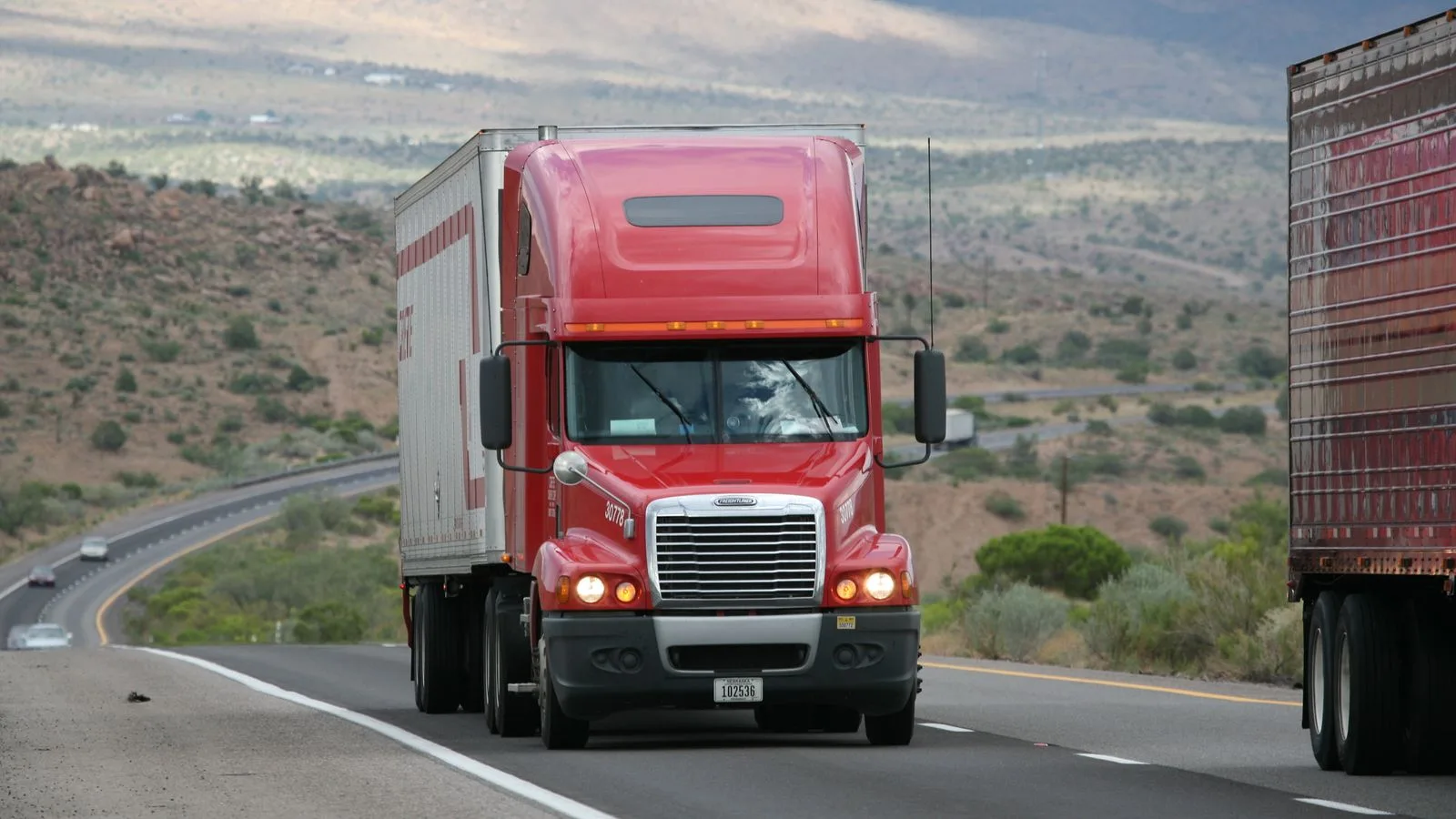
Victoria is one of the principal staging cities for oilfield-service operations between the Eagle Ford Shale to the west and the Gulf Coast petrochemical corridor to the east. Service rigs, frac sand haulers, water trucks, and pipeline-contractor vehicles run US-59/I-69, US-77, and US-87 every day, and a meaningful share of serious commercial collisions in Victoria County involve those operators. Most of the carriers are headquartered out of the immediate market — Houston, San Antonio, Corpus, Oklahoma, or out of state — which puts FMCSA driver-qualification files, hours-of-service logs, ELD data, post-crash drug-and-alcohol testing, and corporate umbrella coverage into the file. The Port of Calhoun and the Port of Port Lavaca east of Victoria add maritime and chemical-export movements on US-87 and SH-185. Spoliation letters need to go out within days of intake because oilfield-service operators cycle telematics quickly and driver turnover is high.
Victoria practice areas
How we help Victoria injury victims.





Frequently asked
Questions Texas accident victims ask us
- Victoria County district court at the courthouse on North Bridge Street, for any crash arising in Victoria city limits or anywhere in Victoria County. Court assignment is by random docket draw among the four civil district courts. Cases with diversity of citizenship and an amount in controversy above $75,000, particularly oilfield-service-rig and out-of-state commercial-carrier cases, are common removal targets to the U.S. District Court for the Southern District of Texas, Victoria Division, on East Constitution Street. We evaluate the removal calculus before drafting the petition.
- Victoria is roughly two and a half hours from our Austin office, which is one of the shorter drives among the South Texas markets we serve. We travel for scene work on US-59/I-69, US-77, and US-87, for treating-provider meetings at DeTar or Citizens, for depositions, mediations, and Victoria County trial settings. Day-to-day client communication runs by phone, video, and email. Boutique caseload is the point: the attorney working your file is the one who knows the Victoria County bench, the local commercial-trucking defendants, and the highway geography.
- DeTar Hospital Navarro on East San Antonio Street and DeTar Hospital North on North Navarro Street are the primary destinations for ER and inpatient care across the Crossroads region, with Citizens Medical Center on Hospital Drive handling a substantial share of moderate-acuity admissions. For severe trauma, patients are routinely transferred by helicopter to Memorial Hermann-TMC or Ben Taub in Houston, University Hospital in San Antonio, or CHRISTUS Spohn Memorial in Corpus Christi. We pull records from both the Victoria intake and the receiving Level I when a transfer happens, because the demand needs the full chronology.
- Because the medical record splits across two systems. A serious trauma patient is stabilized at DeTar or Citizens and then transferred by helicopter to a Level I facility. The discharge summary at the receiving hospital often does not carry the full Victoria intake picture, and the Victoria record may not reflect what the Level I trauma team eventually diagnosed. Insurers read the most convenient half of the chart. We pull both halves and reconcile them so the demand reflects the complete medical chronology, not the easier-to-discount version.
- Service-rig and oilfield-trucking collisions bring FMCSA driver-qualification records, hours-of-service logs, ELD data, post-crash drug-and-alcohol testing, and the carrier's CSA safety profile into discovery. Commercial auto policies on oilfield-service vehicles typically carry meaningful limits and frequently sit beneath a corporate umbrella. Most of the carriers serving the Eagle Ford basin from Victoria are headquartered out of the immediate market, which raises diversity-removal exposure. The work that protects the case happens in the first ten days: spoliation letters out before telematics cycles.
- Two years from the date of injury under Tex. Civ. Prac. & Rem. Code § 16.003, the statewide deadline. Claims against governmental defendants (the City of Victoria, Victoria County, the Port of Victoria, Victoria Independent School District) require pre-suit notice under the Texas Tort Claims Act within six months and sometimes much sooner under local charters. Call counsel well before the two-year mark so TxDOT camera footage, signal timing data, and carrier telematics can still be preserved.
- Yes, in a few practical ways. Freight running between the Houston ship-channel and South Texas uses US-59/I-69 and US-77 through Victoria, which raises the commercial-vehicle share of the local case mix. Victoria juries are familiar with that economy and read commercial-defendant cases accordingly. The transfer-to-Houston-or-Corpus pattern for serious trauma also creates a two-system medical record. And the venue calculus — Victoria County, an alternative Texas county for a corporate defendant, or federal court — has more moving parts than a typical inland Texas case.
- For venue purposes, no; both end up in Victoria County district court. For evidence purposes, it can matter. Inside Victoria city limits the Victoria Police Department investigates and city-operated signals and cameras may have recoverable footage. In unincorporated Victoria County, the Sheriff's Office or DPS is the investigating agency and signal infrastructure is more limited; in those cases physical evidence at the scene, lay witnesses, and TxDOT camera footage at the nearest highway interchange carry more weight. We build the evidence plan around the right agency from intake forward.
Let's talk about your case.
Free case review, no obligation. We'll tell you straight whether we can help.