
College Station · Slip & Fall
College Station Slip & Fall Lawyer
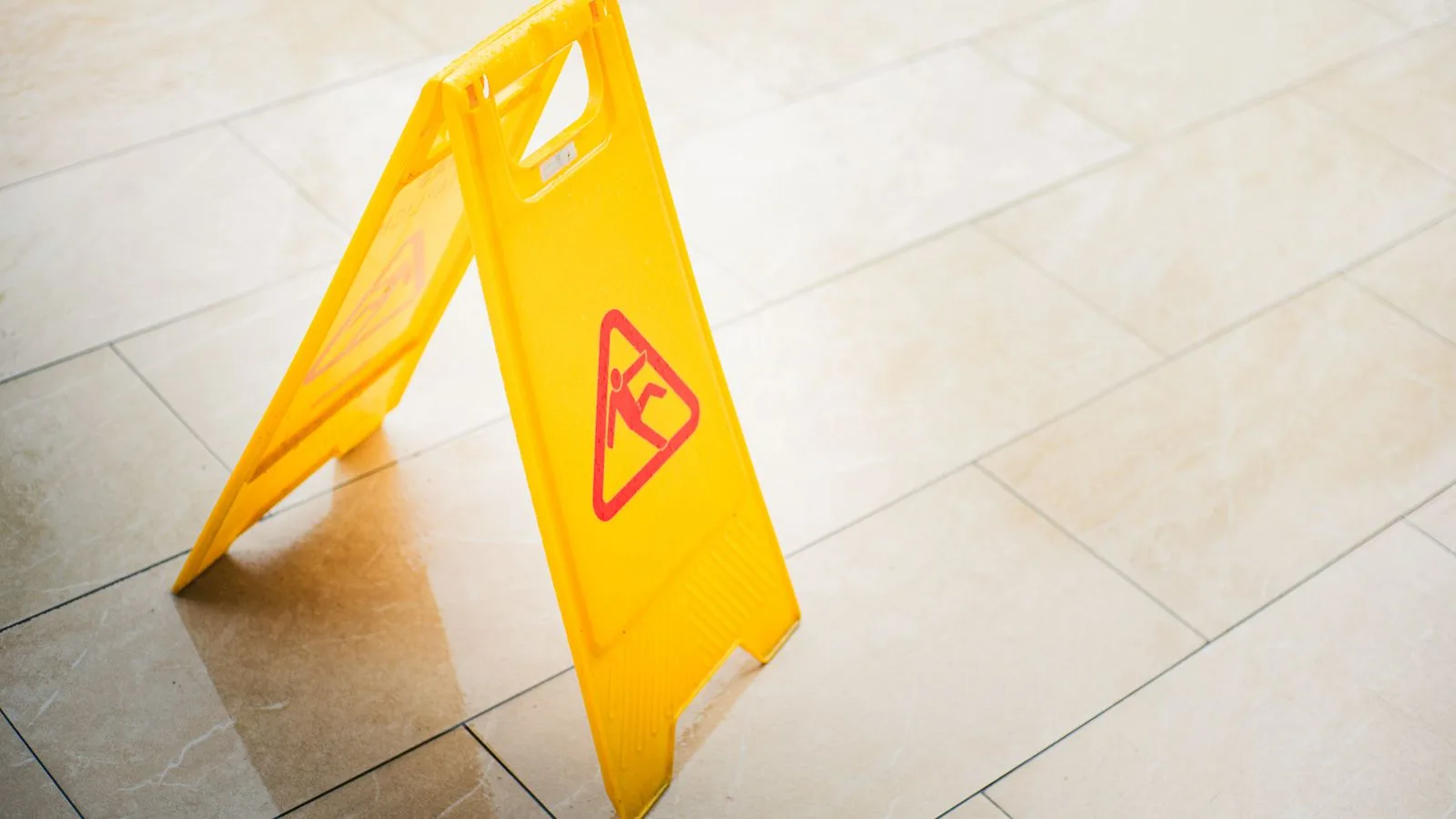
A slip-and-fall or premises liability case in College Station arises when a property owner or occupier fails to inspect for or correct a dangerous condition, causing injury to a visitor on their property. Texas law measures the owner's duty by the visitor's status, with the highest duty owed to invitees such as customers and tenants in common areas, and the hardest element to prove is usually notice: whether the owner created the hazard, actually knew about it, or should have discovered it through a reasonable inspection. The enormous foot traffic flowing through Northgate businesses, apartment complexes along Wellborn Road, and university-adjacent retail in College Station means hazards arise and go unaddressed regularly. The two-year limitations period under § 16.003 and Brazos County district court venue apply to these claims, with the six-month Tort Claims Act notice window applying when the property belongs to a governmental entity.
Why College Station cases are different
A College Station with roughly 75,000 students plus a game-day surge of more than 100,000 visitors moves enormous foot traffic through apartments, retail, restaurants, and the Northgate district. When a property owner lets a hazard go unaddressed, Texas premises-liability law decides whether they answer for the fall, with serious cases filed in Brazos County district court.
Notice and the property owner's duty in Texas
Texas premises liability turns on what the property owner knew and what they should have done about it. For an invitee, a paying customer or business visitor, the owner owes a duty to inspect for and correct or warn of dangerous conditions. The case usually rises or falls on notice: you generally have to show the owner created the hazard, actually knew about it, or that it existed long enough that a reasonable owner should have found and fixed it. In a high-traffic College Station setting, a spill in a Northgate bar, a wet entryway at an apartment complex on a rainy game day, or a broken stair tread can each meet that standard, but the proof has to be assembled before it disappears. We pursue incident reports, inspection and cleaning logs, and surveillance footage early, because that record is what separates a true notice case from a mere accident the owner did not cause.
Comparative fault, short footage windows, and BCS venue
Premises defendants lean hard on comparative responsibility. Under Chapter 33, the defense will argue you should have seen the hazard, were not watching where you walked, or wore unsuitable footwear, all aimed at pushing your fault share up, since above 50 percent recovery is barred and below it the award is reduced. The footage that defeats those arguments, showing how long a hazard sat and that no warning cone was placed, runs on short retention cycles in the same way game-day surveillance does, so a prompt preservation letter matters. Serious College Station premises cases are filed in Brazos County district court in Bryan under the standard venue rules. If the fall happened on Texas A&M property or another governmental premises, the Texas Tort Claims Act applies, with its six-month pre-suit notice deadline, so we screen for governmental owners at intake.
More in College Station
Other ways we help College Station injury victims.
College Station Car Accident Lawyer
Learn more →

College Station Catastrophic Injury Lawyer
Learn more →

College Station Dog Bite Lawyer
Learn more →

College Station Motorcycle Accident Lawyer
Learn more →
College Station Pedestrian Accident Lawyer
Learn more →

College Station Truck Accident Lawyer
Learn more →
Frequently asked
College Station slip & fall questions
- No. Texas premises liability requires proof of notice, meaning the owner created the hazard, knew about it, or it existed long enough that a reasonable owner should have found and fixed it. A fall alone is not enough. We move quickly to obtain incident reports, cleaning and inspection logs, and surveillance footage that show how long the condition was present before you fell.
- Not necessarily. Under Chapter 33 you can still recover if your share of fault is 50 percent or below, with the award reduced by your percentage. The open-and-obvious and comparative-fault arguments are common premises defenses. We counter with footage and logs showing the hazard existed, lacked a warning, and was not addressed by the owner in reasonable time.
- Yes. Texas A&M is a state institution, so a claim implicates the Texas Tort Claims Act, which limits recovery against governmental entities and requires pre-suit notice within six months, a much shorter clock than the general two-year deadline. That notice requirement catches people. We screen for governmental property owners at intake so the deadline is not missed.
- Two years from the date of injury under Tex. Civ. Prac. & Rem. Code § 16.003 for a private property claim. If Texas A&M, the City of College Station, or another governmental entity owns the property, the Texas Tort Claims Act imposes a six-month pre-suit notice deadline that runs much sooner. We screen for governmental ownership at intake so neither clock is missed.
- The surveillance footage and the property owner's inspection and cleaning logs are usually decisive. They show how long a hazard existed before the fall and whether a warning was placed, which together establish constructive notice. In Northgate and game-day venues, those records run on short retention cycles, so a preservation letter in the first week frequently determines whether a notice argument is provable or just an allegation.
- Yes. Apartment landlords owe a duty to maintain common areas, stairwells, and parking lots in a reasonably safe condition for tenants and their guests. In the high-density student rental market near Texas A&M, deferred maintenance and poorly lit common areas are recurring hazards. The same notice and comparative-fault framework applies, with the case filed in Brazos County district court in Bryan.
Where we work from
Downtown Austin. College Station clients welcome.
Our office is in downtown Austin; we represent College Station-area clients statewide and travel to College Station for case-specific needs (scene visits, medical-records consultations, court appearances). Home and hospital visits when injuries make travel difficult.
Talk to a College Station slip & fall lawyer.
Free case review, no obligation. We'll tell you straight whether we can help.