
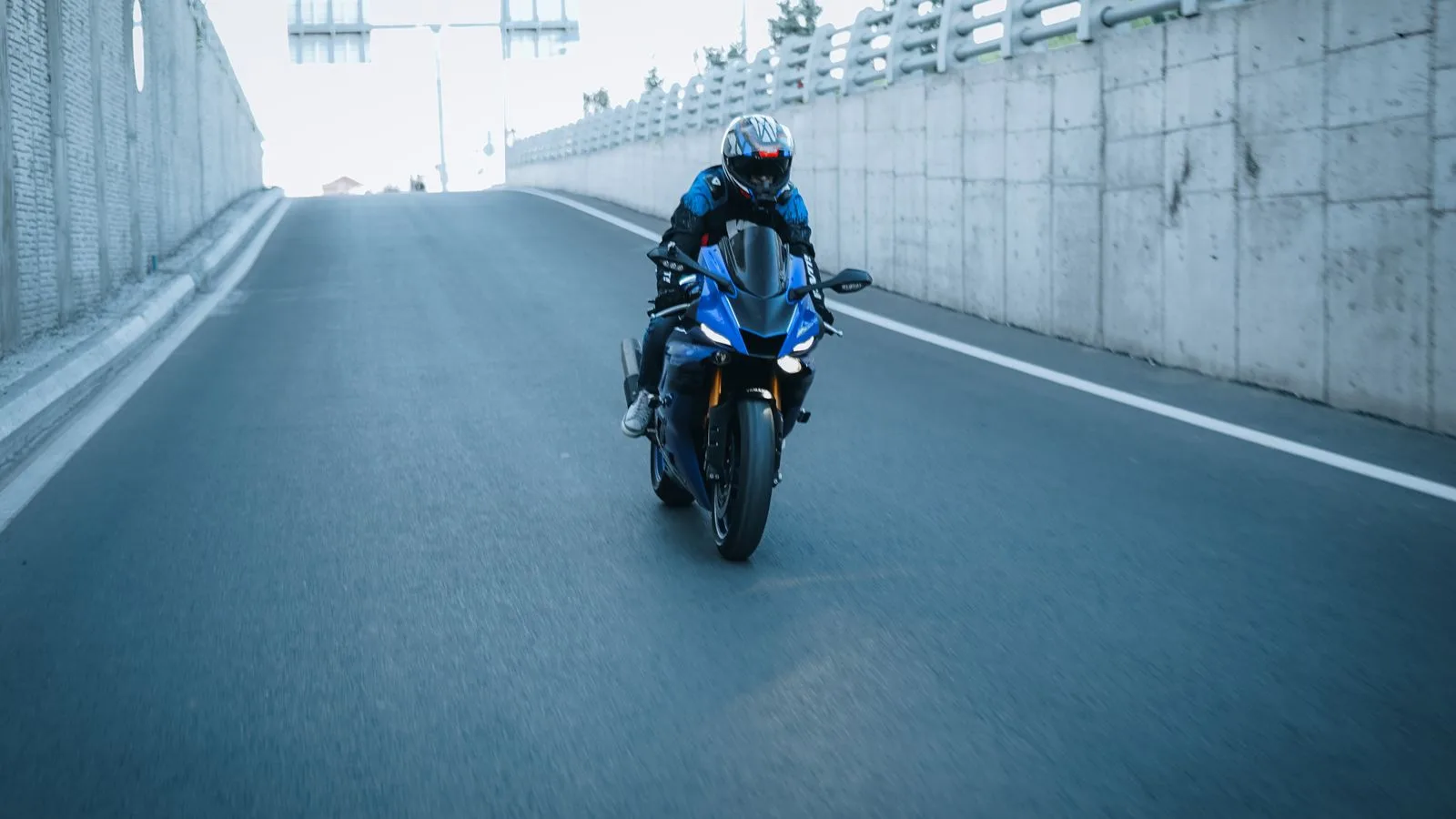
Huntsville · Motorcycle Accident
Huntsville Motorcycle Accident Lawyer
A motorcycle accident claim in the Huntsville area arises when a motor vehicle strikes a rider on roads like SH-30 through downtown or the rural FM corridors, and it is governed by Texas fault-based negligence rules with a two-year statute of limitations under § 16.003. Unlike car occupants, riders have no protective structure, so injuries that look survivable at highway speed often produce complex fractures, spinal injuries, or traumatic brain injuries that require transfer from Huntsville Memorial to a Level I center in Houston. Texas modified comparative fault applies, meaning a rider who is 50 percent or less at fault can recover, but jury skepticism toward motorcyclists makes physical-evidence development essential from the first day. Cases are venued in Walker County district court unless federal diversity removal applies.
Why Huntsville cases are different
Riders around Huntsville face the I-45 long-haul corridor, the angle-and-left-turn intersections along SH-30 downtown, and the rural FM-1374 and FM-2821 routes where surface hazards run high: terrain that produces severe injuries and the rider bias that follows a Walker County motorcycle claim into the file.
Left-turn and lane-change crashes on SH-30 and the FM corridors
The most common motorcycle collision in the Huntsville area is the driver who turns left across a rider's path or changes lanes into one, claiming afterward they never saw the bike. On SH-30 through downtown, the angle and left-turn signature at the 11th Street, University Avenue, and Avenue M intersections puts riders directly in the path of turning cars. The rural FM-1374 and FM-2821 routes serving the prison units carry their own hazards: gravel, uneven shoulders, livestock, and drivers unfamiliar with the road during shift-change windows. Texas applies proportionate responsibility under Chapter 33, and motorcycle cases carry a built-in headwind: jurors sometimes assume the rider was speeding or reckless. Countering that bias takes physical evidence — skid and gouge marks, the point of impact, EDR data from the other vehicle, and any available signal timing or camera footage — to show the turning driver, not the rider, caused the crash.
Severe injuries, helmet law, and the trauma transfer to Houston
A motorcyclist has no crush structure around them, so a collision that would dent a car door can fracture a rider's pelvis, spine, or skull. Huntsville Memorial Hospital handles the initial intake, but serious multi-system trauma routes by helicopter or ground transfer to a Level I center in Houston, most often Memorial Hermann-TMC or Ben Taub, roughly seventy miles down I-45. That distance splits the medical record into three threads: the brief Huntsville Memorial chart, the detailed Houston inpatient admission, and the follow-up care back along the corridor. Texas does not bar recovery for an adult rider not wearing a helmet, and insurers cannot use helmet status to dodge liability for a crash a driver caused; at most it becomes a contested damages argument we are prepared to meet. We integrate all three medical threads so the demand rests on a coherent injury picture, not a single hospital chart.
More in Huntsville
Other ways we help Huntsville injury victims.


Frequently asked
Huntsville motorcycle accident questions
- No. A driver's duty includes looking for motorcycles before turning or changing lanes, and 'I didn't see the bike' is an admission of inattention, not a defense. On SH-30's downtown intersections this is the most common crash story we see. Physical evidence — the point of impact, skid and gouge marks, EDR data from the car, and any camera footage — usually shows the turning or merging driver failed to yield. We build the file around that evidence to counter rider bias.
- Yes. Texas does not bar an adult rider from recovering for not wearing a helmet, and a driver who caused the crash cannot escape liability because of it. Helmet status can become a contested argument about certain head-injury damages, but it does not affect fault for the collision itself. We address it head-on with the medical evidence and the crash mechanics rather than letting an insurer treat it as a fault question.
- Huntsville Memorial handles initial intake, but the closest Level I trauma capacity is roughly seventy miles down I-45 in the Texas Medical Center. Serious rider injuries — fractures, spinal and head trauma — are transferred by helicopter or ground to Memorial Hermann-TMC or Ben Taub. That creates a three-part record: the Huntsville chart, the Houston inpatient admission, and the follow-up care. We pull and integrate all three so the injury picture holds together.
- Both FM corridors carry prison-unit traffic and present hazards specific to rural East Texas: loose gravel at intersections, uneven shoulders, deer crossings, and drivers on unfamiliar roads during TDCJ shift-change windows. These roads are narrower and less forgiving than I-45, and a bike forced off the shoulder by an inattentive driver can go down without contact. The crash-reconstruction analysis for a rural FM incident focuses on surface condition, sight lines, and the at-fault driver's familiarity with the road.
- If your motorcycle policy includes uninsured/underinsured motorist coverage, it can cover the difference between the at-fault driver's limits and your actual damages. Rider injuries on this corridor frequently exceed minimum limits, and UM/UIM is the most common safety net. You need to have not rejected it in writing for it to apply, and your own insurer will have its own notice and consent rules that must be followed. We review the full coverage picture at intake.
- Walker County juries are different from urban Texas panels: the county's demographics are shaped by the university, the TDCJ workforce, and surrounding rural communities. Rider bias does exist and we account for it by building a physical-evidence case that does not rely on the jury's goodwill toward motorcyclists. The goal is to make the fault picture unmistakable through EDR data, signal timing, and scene reconstruction so that the crash mechanics speak for themselves.
Where we work from
Downtown Austin. Huntsville clients welcome.
Our office is in downtown Austin; we represent Huntsville-area clients statewide and travel to Huntsville for case-specific needs (scene visits, medical-records consultations, court appearances). Home and hospital visits when injuries make travel difficult.
Talk to a Huntsville motorcycle accident lawyer.
Free case review, no obligation. We'll tell you straight whether we can help.