
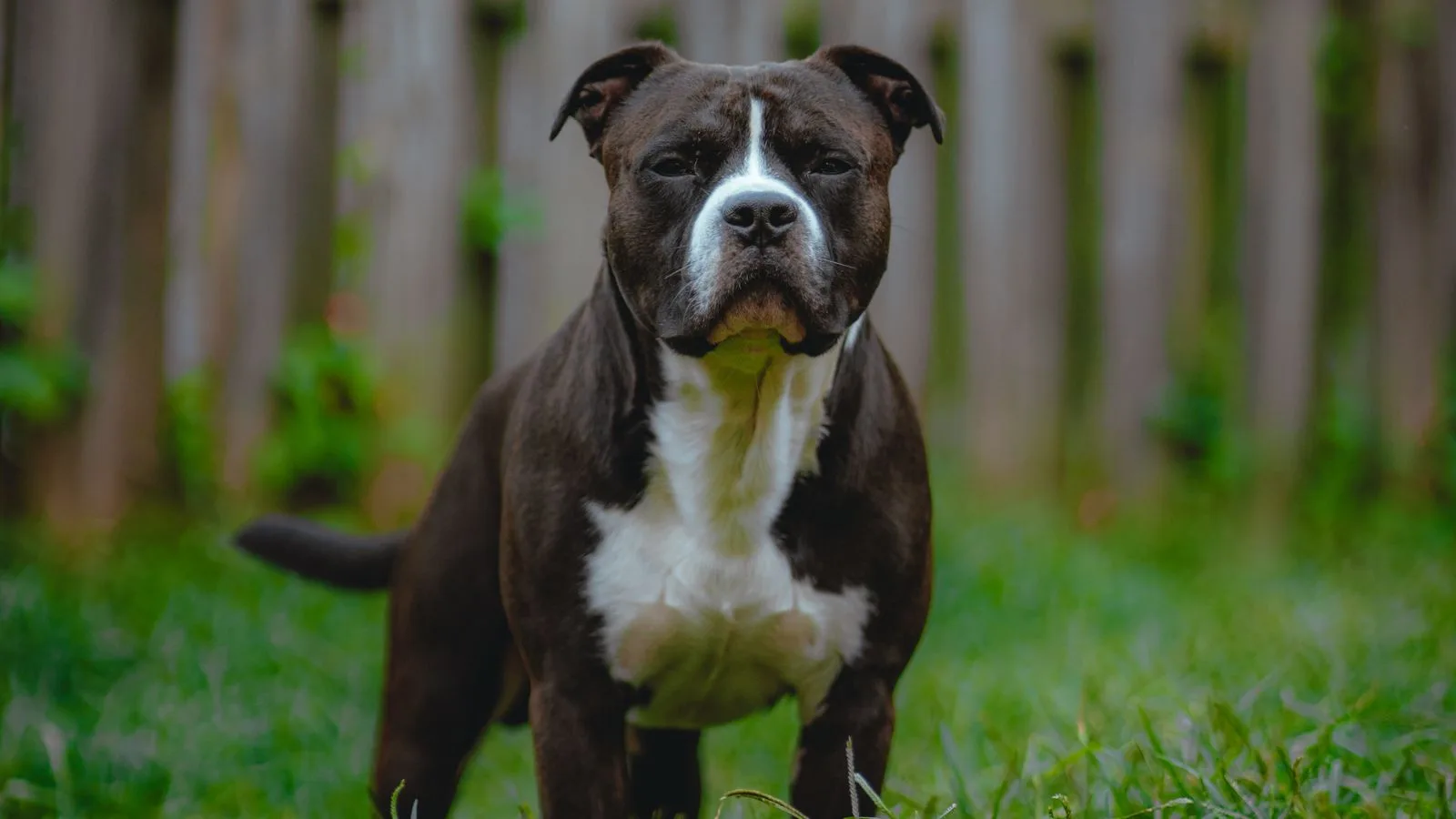
Huntsville · Dog Bite
Huntsville Dog Bite Lawyer
A dog-bite claim in Walker County holds an owner liable either because they knew or should have known the animal had dangerous propensities — under the strict-liability principle of Marshall v. Ranne — or through ordinary negligence when a leash-ordinance violation or failure to confine a known-aggressive dog caused the attack. Texas Health and Safety Code Chapter 822 governs dogs declared dangerous, and the two-year statute of limitations under § 16.003 applies, tolled for minor victims until they turn eighteen. Huntsville attacks most often occur in the older residential neighborhoods near Sam Houston Avenue, in student rental housing near the SHSU campus, or on the rural FM corridors where dogs are less confined. Cases are filed in Walker County district court unless a governmental defendant is involved.
Why Huntsville cases are different
Dog-bite claims around Huntsville arise in the older residential core along Sam Houston Avenue, near student housing serving SHSU, and on the rural FM corridors of Walker County where dogs run loose: cases that turn on Texas owner-liability rules and the homeowner coverage standing behind them.
Texas owner liability and the negligence path
Texas does not follow a pure strict-liability rule for dog bites. The longstanding framework lets an owner be held liable when they knew or should have known the dog was dangerous — the so-called one-bite rule based on prior aggression — or, independently, through ordinary negligence when the owner failed to control or restrain the animal. In Huntsville's residential neighborhoods and on the rural Walker County FM routes, the negligence path is often the stronger one: a dog left off-leash in violation of a local restraint or leash ordinance, an unsecured gate, or a known-aggressive animal allowed near a sidewalk or a visitor. Negligence per se can apply where a leash-law violation directly caused the bite. Proving the owner's knowledge of prior aggression takes work: prior incidents, complaints, warning signs, breed-specific history, and neighbor statements all build the record. We develop both theories in parallel so the claim does not rise or fall on a single proof of prior bites.
Severe and facial injuries, children, and homeowner coverage
Dog bites cause disproportionately severe wounds: deep puncture and crush injuries, nerve and tendon damage, infection risk, and facial scarring that can be permanent, especially for children who are bitten at face height. Serious wounds route through Huntsville Memorial, with complex reconstruction or multi-system injury transferred roughly seventy miles down I-45 to a Houston facility. The damages picture includes emergency and reconstructive surgery, scar-revision procedures, and the psychological impact of disfigurement, which courts recognize as compensable. The financial recovery usually comes from the dog owner's homeowner or renter insurance, which commonly covers dog-bite liability subject to policy terms and any breed exclusions. Where the bite happened at a rental, the landlord's coverage may also be in play if the landlord knew of a dangerous animal. We identify every applicable policy at intake and preserve the medical and photographic record of the injury as it heals.
More in Huntsville
Other ways we help Huntsville injury victims.



Frequently asked
Huntsville dog bite questions
- Possibly. Texas allows recovery either when the owner knew the dog was dangerous from prior aggression, or, separately, through ordinary negligence: for example, letting a dog run loose against a local leash ordinance, regardless of any bite history. The negligence path does not require a prior bite. We develop both theories, because a first-time bite from an unrestrained dog can still support liability based on the owner's failure to control the animal.
- Usually the dog owner's homeowner or renter insurance, which commonly covers dog-bite liability, though some policies carry breed exclusions or limits we check carefully. If the bite happened at a rental and the landlord knew of a dangerous animal, the landlord's coverage may also apply. We identify every available policy at intake. The owner can also be personally responsible for amounts above any coverage, depending on the circumstances.
- Facial bites to children are among the most serious because they often leave permanent scarring and require reconstructive and scar-revision surgery over time. Texas recognizes disfigurement and the psychological impact as compensable damages. We document the injury photographically as it heals, because a child's scar evolves and the future-care picture matters. A minor's claim also has different limitations timing, which we account for at intake.
- Yes. Texas dog-bite and negligence law applies uniformly across Walker County, whether on a city street in Huntsville or on FM-1374 or FM-2821. Rural properties where dogs roam freely raise the same negligence analysis: did the owner know the dog had dangerous propensities, and did they take reasonable steps to confine it? The rural setting can actually strengthen the negligence argument when the owner was aware dogs were regularly loose near a traveled road.
- Possibly. Under Texas law, a landlord who has actual knowledge of a dangerous animal and the legal ability to remove it, through lease enforcement, can be held liable if the landlord failed to act and the animal injured someone. Prior complaints to management, maintenance records, and lease provisions governing pets are the key documents. Where the landlord's knowledge is established, the complex's commercial general liability policy, not just the tenant's renter insurance, may be in play.
- Two years from the date of the attack under Tex. Civ. Prac. & Rem. Code § 16.003. For minors, the clock is tolled until they turn eighteen, meaning a child victim has until their twentieth birthday to file. If a governmental entity is responsible — for example, a TDCJ-operated facility where a dog bit a visitor — the Texas Tort Claims Act six-month pre-suit notice requirement applies and runs much faster. We screen for governmental exposure at intake.
Where we work from
Downtown Austin. Huntsville clients welcome.
Our office is in downtown Austin; we represent Huntsville-area clients statewide and travel to Huntsville for case-specific needs (scene visits, medical-records consultations, court appearances). Home and hospital visits when injuries make travel difficult.
Talk to a Huntsville dog bite lawyer.
Free case review, no obligation. We'll tell you straight whether we can help.