
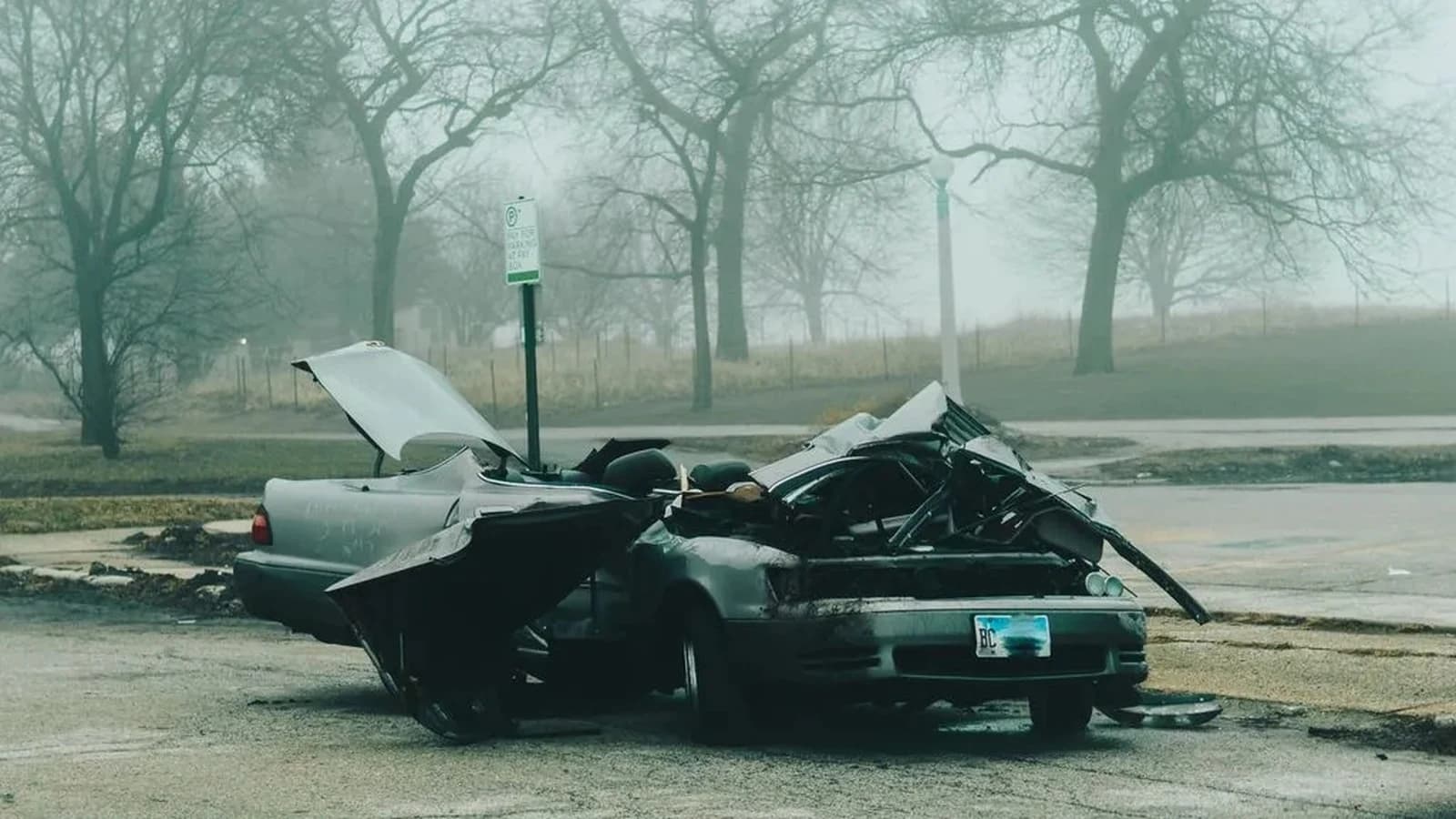
Laredo · Car Accident
Laredo Car Accident Lawyer
A Laredo car accident claim is a passenger-vehicle injury case litigated in a city whose ordinary streets carry freight that has not reached an interstate yet, which is why the other vehicle may turn out to belong to a business rather than to the person driving it. FM 1472, Mines Road, mixes commuter cars with loaded tractor-trailers and empty bobtails; Loop 20 carries the overflow through its I-35 and US-59 interchanges; and downtown, the streets near Convent Avenue and San Bernardo take the passenger and pedestrian traffic that the international bridges send them. Chapter 33 proportionate responsibility then decides the number, docking the award one point for every point of your own fault and paying nothing at 51 percent, on the two-year clock in Tex. Civ. Prac. & Rem. Code § 16.003. Suit lands in the Webb County district courts — the 49th, 111th, 341st, and 406th, at the Justice Center on Victoria Street — with venue under § 15.002 defaulting to Webb County for a crash that happened there.
Why Laredo cases are different
In a city built around freight, the vehicle that hits you may be a company's rather than the driver's own. Loop 20 stacks traffic at its I-35 and US-59 interchanges, Mines Road puts commuters in the same lanes as bobtails, and downtown takes what the bridges drop. Cap City works those Webb County claims from Austin.
Where I-35 ends: Mines Road, Loop 20, and the downtown bridge grid
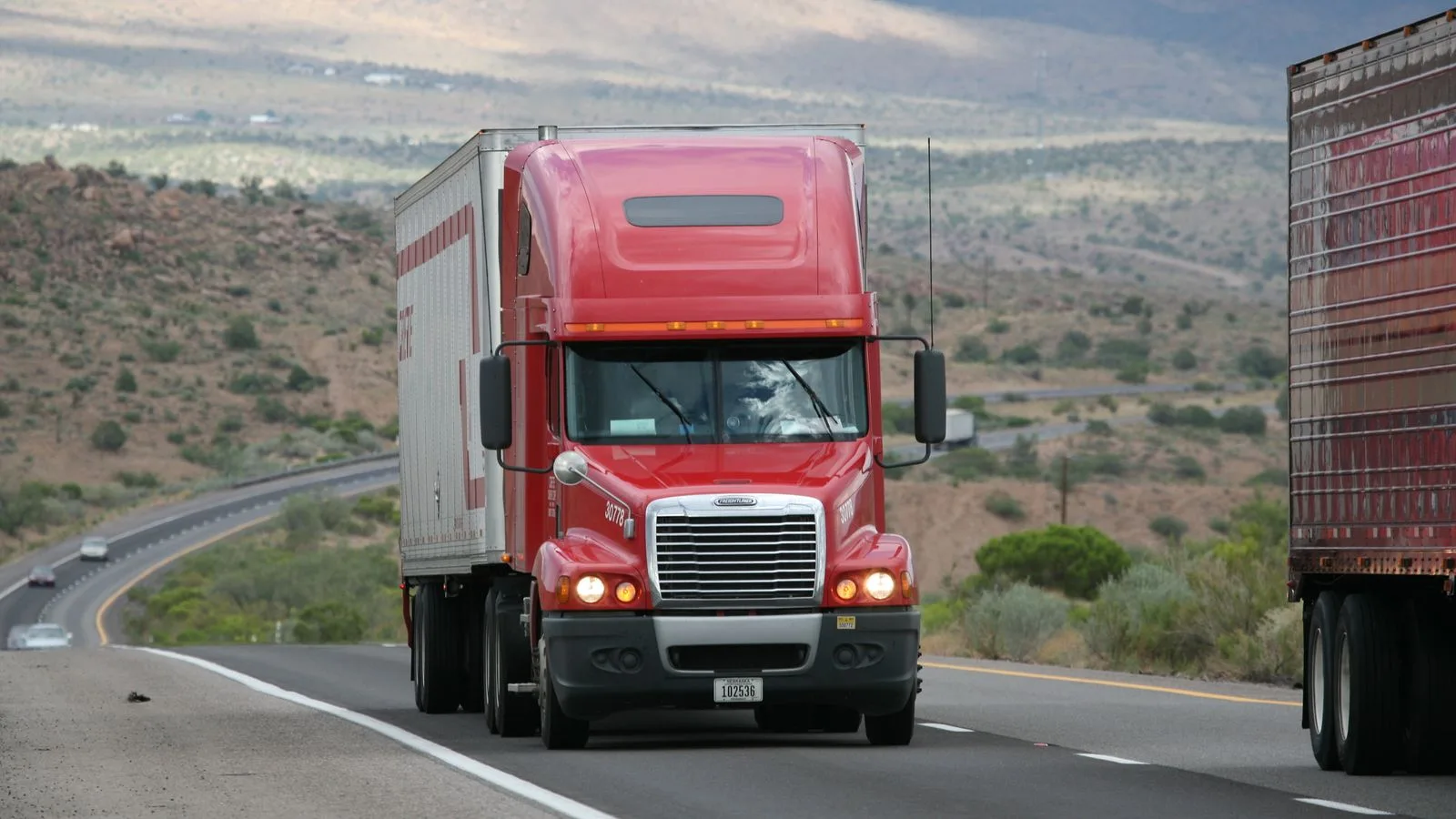
Laredo is where I-35 stops, and a crash file here starts with the corridor it came from. FM 1472, Mines Road, runs loaded tractor-trailers, empty bobtails, and the cars of the people those warehouses employ through the same lanes, plus turning traffic entering and leaving yard driveways at arterial speed. Loop 20, the Bob Bullock Loop, takes the overflow, and its I-35 and US-59 interchanges are where merging and rear-end impacts collect. Downtown, the grid near Convent Avenue and San Bernardo runs stop-and-go on what the Gateway to the Americas and Juárez-Lincoln bridges send it, and that grid is where pedestrian strikes concentrate. The corridor tells us who to look for and how long the evidence lives, so we ask it first. Chapter 33 does not change by corridor; the proof does.
Who owns the pickup, and was the driver on the job
Registered ownership is the first thing we check, because a name and a home address on the crash report do not tell you who the vehicle answers to. The pickup or bobtail behind that name can belong to a warehouse operation, a customs broker, or a carrier. Business ownership is not liability by itself. Texas reaches an employer through respondeat superior only where the driver was acting in the course and scope of employment. Ownership and employment are two investigations with different proof, and both are worth running: the coverage behind a business-owned vehicle is normally a much bigger layer than anything a personal auto policy carries, and Chapter 33 is where that money gets defended, one percentage point of your fault at a time.
More in Laredo
Other ways we help Laredo injury victims.

Frequently asked
Laredo car accident questions
- Through the registration. Warehouse operations, customs brokers, and carriers along the Mines Road corridor own pickups, bobtails, and service trucks that read as ordinary traffic to an officer writing down a driver's home address. We pull the vehicle's registration first, then the employment question: was this person on the company's business when he hit you? If he was, the employer answers under respondeat superior, and what stands behind the vehicle is a commercial layer of coverage rather than a personal one. If he was not, we tell you that too, and the claim is worth what the driver's own policy makes it.
- He can say it. He cannot decide it. Chapter 33 apportionment is a finding for the court or the jury, and an adjuster's percentage is a negotiating position with money behind it: every point that sticks comes off your award, and at 51 percent the claim pays nothing at all. On a Loop 20 merge, where each driver usually says the other one moved over, the answer is not a better story. It is the damage pattern on the two vehicles, the debris field, and whatever the other vehicle's owner recorded. We would rather spend the first month collecting that than trading percentages by phone.
- No. Chapter 33 docks your recovery only for your own share of responsibility, and a passenger normally has none. What the drivers' shares decide is who pays: if both drivers are found responsible, you have a claim against each, with each one's exposure set, as a rule, by its own percentage. On the Mines Road commute that often means claiming against the coworker who was driving, which is uncomfortable and which we would rather work through with you at intake than have you learn from an adjuster who represents his insurer, not you.
- One death produces two claims. The wrongful-death action under Tex. Civ. Prac. & Rem. Code § 71.004 is limited to a surviving spouse, children, and parents, any one of whom may file for all; if none has filed within three calendar months of the death, § 71.004(c) shifts that duty to the executor or administrator. His own claim survives separately under § 71.021 to his heirs, legal representatives, and estate, and heirs may bring it while pleading that no administration is pending and none is necessary. A sibling is not on the § 71.004 list; whether you are an heir here depends on who else survived him.
- Often you would not, which is why we run registration on every vehicle at intake and not only the ones that look official. A marked patrol unit announces itself; an unlettered fleet pickup does not. The consequences arrive fast. Tex. Civ. Prac. & Rem. Code § 101.101 entitles a governmental unit to notice within six months that describes the injury, the time and place, and the incident, and a city charter may shorten that. Section 101.023 then caps recovery against a municipality at $250,000 per person regardless of what the loss actually was.
- Because we will say the awkward part out loud first. Cap City is a two-attorney Austin boutique at 702 Rio Grande Street, a long way up I-35 from the Webb County Justice Center. What the distance buys is Matt Mandelker and Chandler Wallace, 22+ years between them, reading your file themselves instead of a case manager you never meet. The suit files in Laredo and the hearings are in Laredo; we drive. Most of what decides a car-accident claim happens by mail and phone anyway: preservation letters, records requests, coverage demands, negotiation.
Where we work from
Downtown Austin. Laredo clients welcome.
Our office is in downtown Austin; we represent Laredo-area clients statewide and travel to Laredo for case-specific needs (scene visits, medical-records consultations, court appearances). Home and hospital visits when injuries make travel difficult.
Talk to a Laredo car accident lawyer.
Free case review, no obligation. We'll tell you straight whether we can help.