
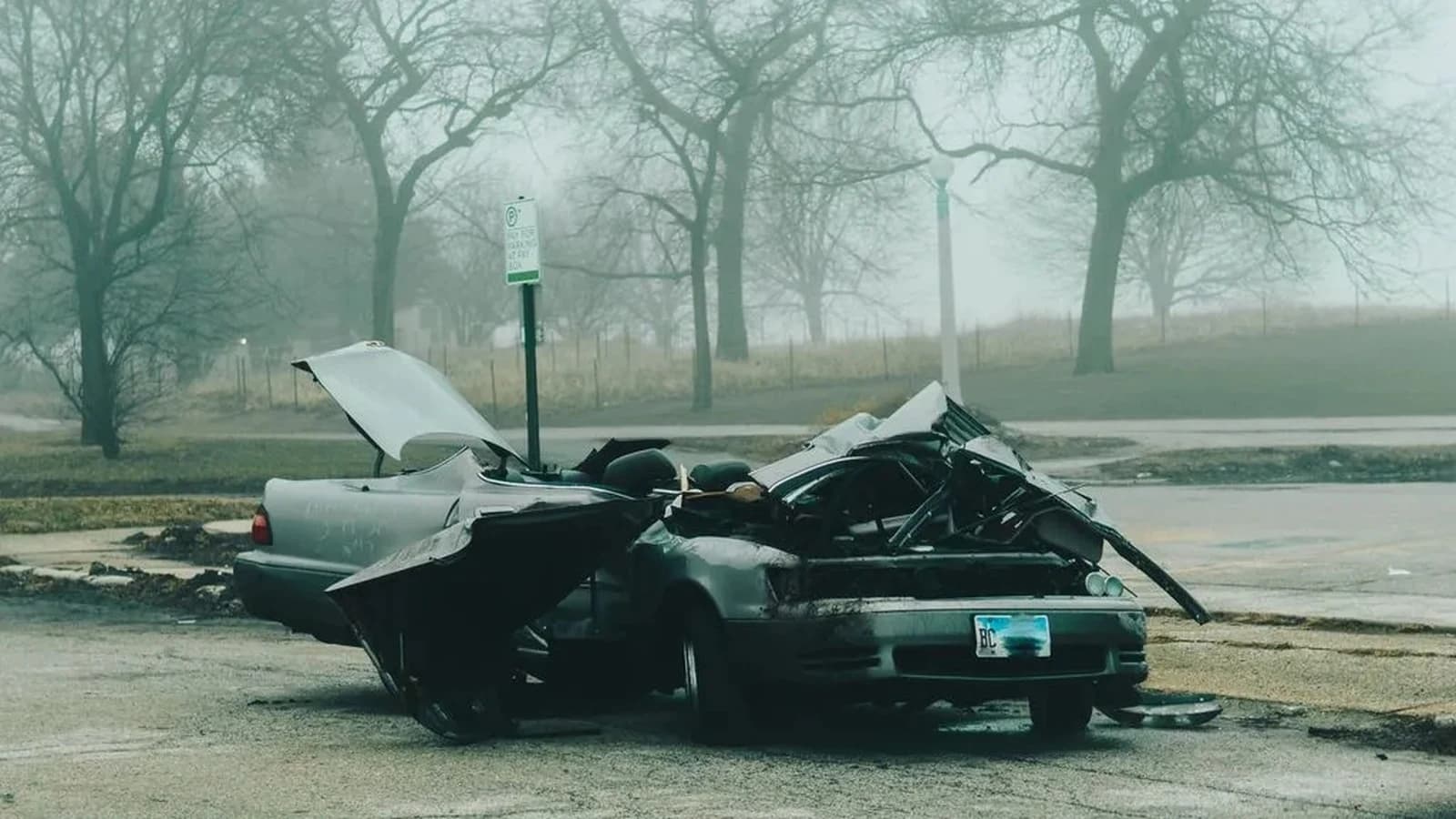
Manor · Car Accident
Manor Car Accident Lawyer
A car accident claim in Manor is a personal injury case arising from a collision on the area's road network — most often on the at-grade stretch of US-290 East, east of the SH-130 split, or at one of the FM-973 or FM-3177 intersections — governed by Texas's modified comparative fault rule. Texas is an at-fault state, meaning the person whose negligence caused the crash bears liability for the resulting harm. Claimants can recover as long as their share of fault does not exceed 50%, with any award reduced proportionally by their own percentage of fault. Cases file in Travis County district court in downtown Austin under the two-year limitations period of Tex. Civ. Prac. & Rem. Code § 16.003.
Why Manor cases are different
Most Manor crash intake comes off US-290 East, where traffic transitions from the limited-access SH-130 split into an at-grade surface highway with FM signals. That speed differential drives the rear-end and merge wrecks that shape both fault and the path to full recovery.
Fault on US-290 East under Chapter 33
Texas decides fault under the Chapter 33 proportionate-responsibility scheme, and the geometry of US-290 through Manor steers how that analysis runs. East of the SH-130 interchange the limited-access highway gives way to an at-grade surface segment, and the speed differential between drivers still moving at highway pace and those slowing for the FM-973 or FM-3177 signals produces a steady stream of rear-end and merge collisions. A following driver who fails to read the stop-and-go pattern at a known signalized intersection usually carries the heavier share. The smaller FMs and county roads north and east of the city, including FM-1100, Old Manor Road, and the Decker Lane and Lindell Lane stretches, push a higher proportion of intersection and right-of-way disputes. Because Texas applies a 51% bar, keeping a client at or below half the fault often decides whether any recovery is possible, so the crash-scene reconstruction matters from day one.
Layering UM/UIM coverage on a corridor crash
A high-energy collision on US-290 East or on the rural FM stretches around Manor frequently outruns the at-fault driver's personal Texas liability limits, and when it does the route to full compensation runs through stacked coverage rather than one policy. We examine the client's own underinsured-motorist coverage and any household-resident coverage on the policy, then layer those against the at-fault driver's limits so the money available matches the actual harm. Texas requires insurers to offer UM/UIM, and waiving it takes a written rejection, so coverage a claimant assumed did not exist often does. This matters more on the developing eastern corridor than in the closer-in metro, because the mix of single-vehicle and intersection crashes on under-built FM alignments tends to produce serious injuries that a single low policy will not cover.





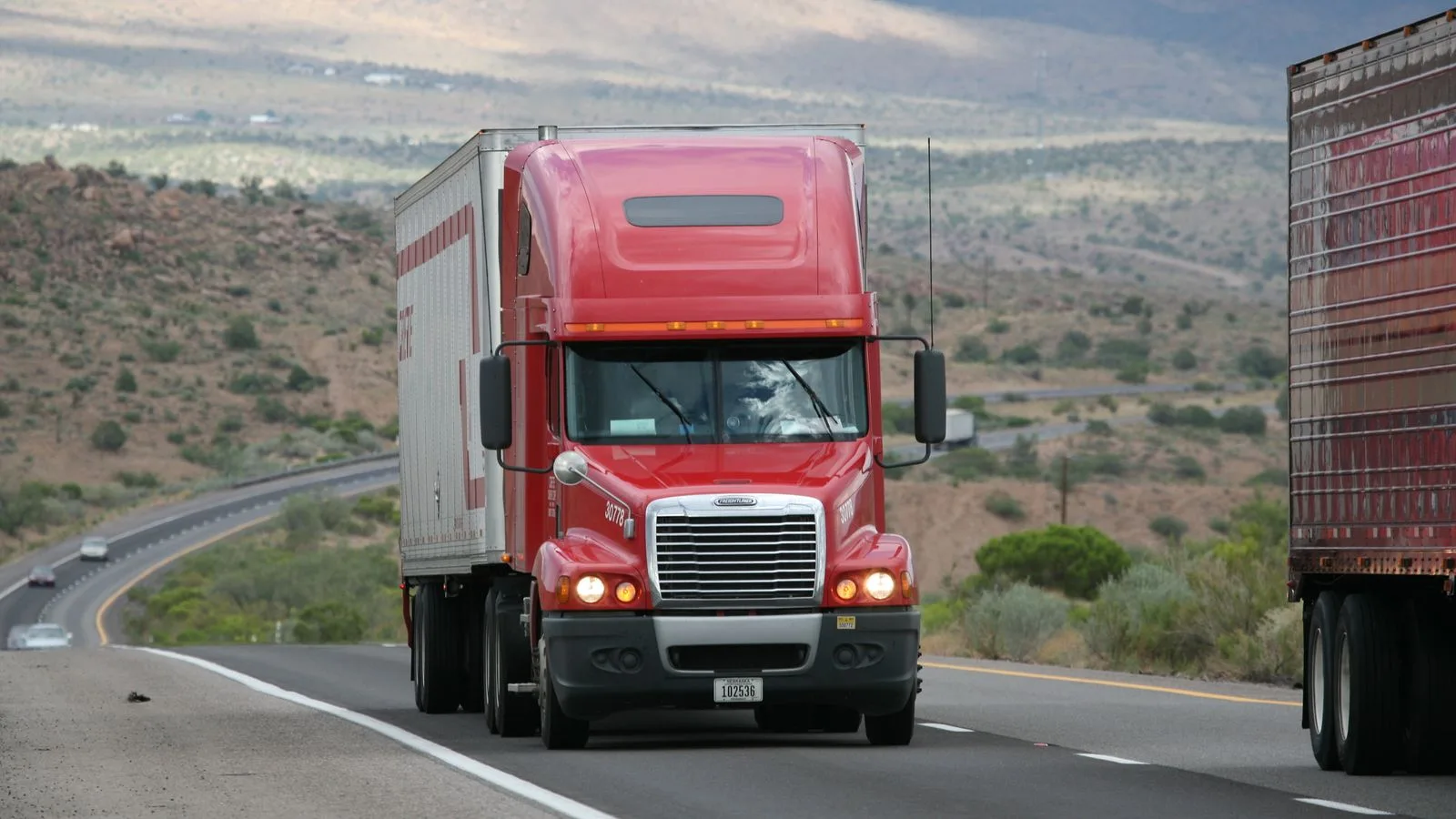
Frequently asked
Manor car accident questions
- Yes. West of the SH-130 split the highway is limited-access; east of it US-290 runs as an at-grade surface corridor with signals at FM-973 and FM-3177. The transition creates a speed differential that drives rear-end and merge collisions. Where the wreck happened shapes the fault analysis and what evidence, from signal timing to nearby cameras, is available to reconstruct it.
- Possibly. Texas uses proportionate responsibility with a 51% bar, so you can recover as long as your share of fault is 50% or less, with the award reduced by your percentage. Because crossing that 51% line ends the claim entirely, early investigation and witness statements at the crash scene often decide a Manor case.
- The general deadline is two years from the crash under Tex. Civ. Prac. & Rem. Code section 16.003. If a city, county, or other public entity is involved, a six-month written-notice deadline under section 101.101 applies. Practical pressures compress those windows, so involving counsel in the first weeks protects telematics and camera evidence that can disappear in days.
- Your own uninsured/underinsured motorist coverage becomes the primary route to full compensation. Texas requires insurers to offer UM/UIM protection, and rejecting it requires a written waiver, so coverage often exists even when a client assumes it does not. We review the full policy at intake, including household-resident policies, to identify every available layer before committing to a demand number.
- The same Texas fault rules and two-year statute apply. The practical differences are the evidence landscape: county roads and smaller FM alignments north and east of Manor often have fewer traffic cameras and witnesses than US-290 East, which makes physical evidence from the scene, skid marks, vehicle damage patterns, and early photographs, more important. It also raises a question of whether a roadway defect contributed, which could involve a governmental entity and trigger the six-month notice requirement.
- It is a common pattern after corridor crashes. Soft-tissue and disc injuries, particularly cervical and lumbar injuries from rear-end impacts, are often not fully apparent in the first 24 to 48 hours. The medical records from Ascension Seton Northwest or St. David's North Austin Medical Center at the initial ER visit, plus follow-up imaging several days later, together document the actual injury profile. Delaying care, however, gives the insurer room to argue the worsening was unrelated to the crash.
Where we work from
Downtown Austin. Manor clients welcome.
Our office is in downtown Austin; we represent Manor-area clients statewide and travel to Manor for case-specific needs (scene visits, medical-records consultations, court appearances). Home and hospital visits when injuries make travel difficult.
Talk to a Manor car accident lawyer.
Free case review, no obligation. We'll tell you straight whether we can help.