

Manor · Motorcycle Accident
Manor Motorcycle Accident Lawyer
A motorcycle accident claim in Manor arises when a motor vehicle fails to yield to or perceive a rider on the area's surface corridors, particularly the at-grade stretch of US-290 East between the SH-130 split and the FM-973 and FM-3177 intersections, where left-turn and merge conflicts are most frequent. Texas applies the same modified comparative fault rules to motorcycle claims as to car crashes, but riders face additional proof challenges: insurers and juries often presume rider fault, and Texas's helmet statute under Tex. Transp. Code § 661.003 requires careful handling when head injuries are involved. Cases file in Travis County district court, and the two-year limitations period under Tex. Civ. Prac. & Rem. Code § 16.003 applies.
Why Manor cases are different
Riders moving through Manor face the same at-grade hazards that drive the corridor's car crashes, but with none of the protection. The signalized FM intersections on US-290 East and the developing FM alignments north and east of the city create the left-turn and right-of-way conflicts that injure riders most severely.
Left-turn and intersection conflicts on the Manor corridors
The crash that most often hurts a rider on US-290 East is the driver who turns or merges across the rider's path at one of the at-grade FM signals, having looked but failed to register a motorcycle in the gap. The same conflict repeats where the developing FM alignments and county roads north and east of Manor meet US-290 and FM-973, often at intersections that have not kept pace with the area's growth. A rider has no crumple zone and no airbag, so a collision that leaves a car driver shaken can throw a rider into the roadway or the embankment, producing orthopedic fractures, road rash, and the closed-head and spinal injuries that route through the cross-corridor transport chain to the central Austin trauma centers. Establishing that the turning or merging driver failed to yield, rather than that the rider was speeding, is the pivot the whole case turns on.
Confronting rider bias and reduced-visibility hazards
Insurers and juries often arrive with an assumption that a motorcyclist was reckless, and overcoming that bias is part of the work in every Manor rider case. We build the record around the physical evidence, the signal timing at the FM intersection, available camera and telematics data, and the rider's lawful lane position so the story is grounded in fact rather than stereotype. The corridor itself adds hazards that disproportionately harm riders: the fall and winter fog and reduced-visibility patterns on the more rural FM stretches east and north of the city, the loose material and debris that come with active construction in a fast-developing area, and the speed differential where US-290 transitions from limited-access to at-grade. Each of these can be a contributing cause, and documenting them early supports both the liability case and an accurate measure of the rider's injuries under Texas comparative-fault rules.


Frequently asked
Manor motorcycle accident questions
- It often does. A driver who turns or merges into a rider's path at a US-290 FM signal still had a duty to yield, and admitting they did not see you tends to confirm a failure to look effectively rather than excuse it. We pair that statement with signal timing, lane-position evidence, and any available camera data to show the rider was lawfully proceeding when the driver crossed the path.
- There is a real bias that riders are reckless, and insurers lean on it. Texas comparative fault still applies, so your recovery depends on keeping your share of fault at or below 50%. We counter the stereotype with physical evidence, the rider's lawful lane position, and intersection data, so the case rests on what actually happened on the corridor rather than on assumptions about riders.
- A rider has no crumple zone or airbag, so a collision at a US-290 East signal or on a developing FM alignment transfers force directly to the body, frequently causing fractures, road rash, and head and spinal trauma. Because Manor has no full-service hospital, serious cases route west to the central Austin trauma centers, and that transport interval becomes part of the medical chronology in the claim.
- Riders 21 and older may ride without a helmet in Texas if they carry at least $10,000 in medical-payments coverage or have completed an approved safety course. If helmet-law status is legally relevant, it requires actual causation proof to affect head-injury damages; the statute does not automatically reduce your recovery for non-head injuries. We analyze your specific helmet status and injury profile at intake so the defense cannot use the issue to deflect from the driver's underlying failure to yield.
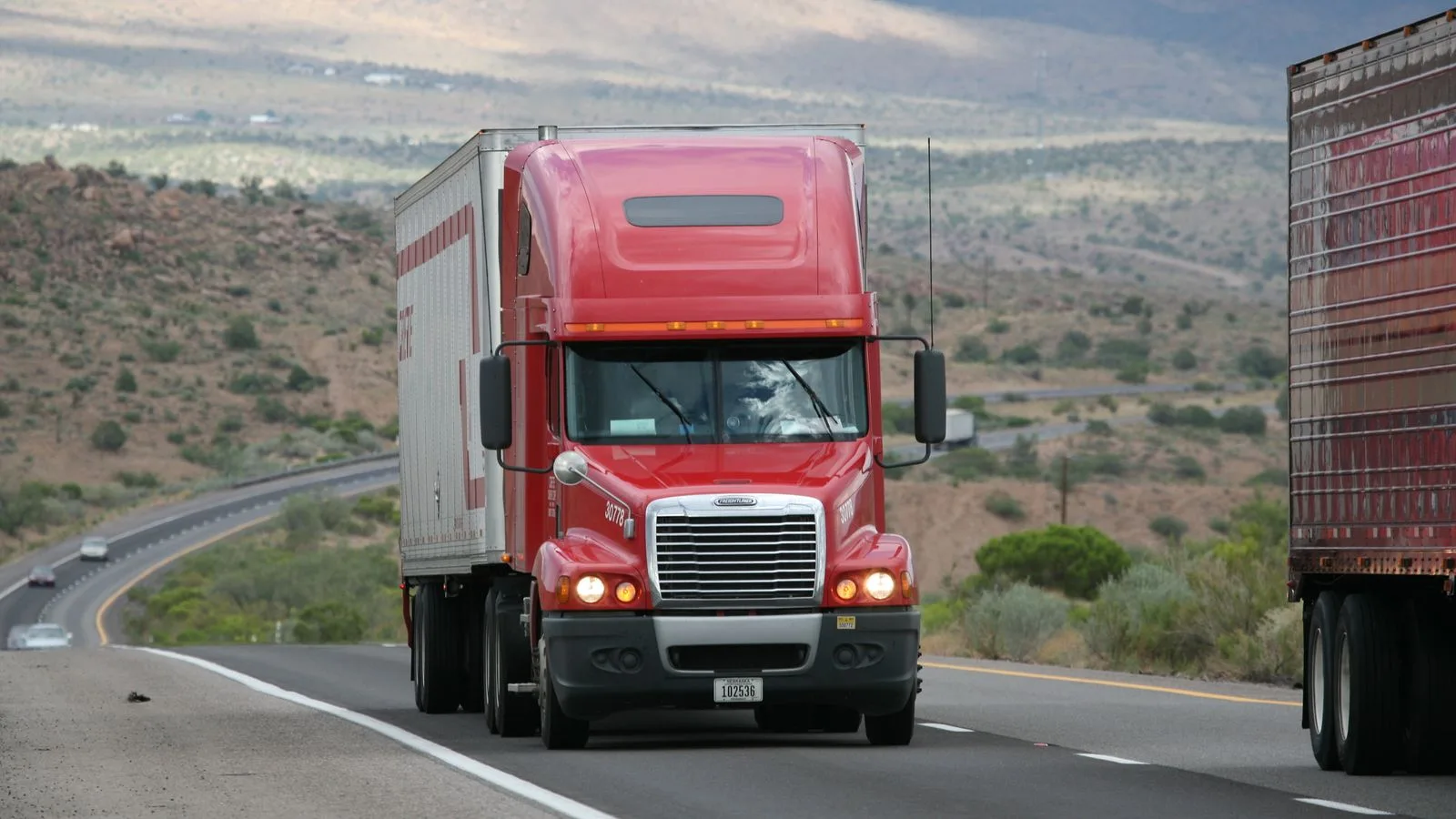
- A commercial-carrier crash involving a motorcycle opens the same Federal Motor Carrier Safety Regulation theories that apply to any truck crash, but the injury severity is typically worse because a rider has no vehicle structure to absorb the impact. The carrier's ELD records, hours-of-service file, and inspection records all require immediate preservation. The injury profile, often spinal or TBI-level, also means the case is sized to a larger commercial policy from the start.
- The two-year period under Tex. Civ. Prac. & Rem. Code § 16.003 applies. If the crash involved a government vehicle or a defective roadway condition maintained by a public entity, a six-month written-notice requirement under § 101.101 could run concurrently and is a shorter, harder deadline. The practical evidence window — for signal data, commercial-property cameras along US-290, and driver telematics — is far shorter than either of those statutory periods.
Where we work from
Downtown Austin. Manor clients welcome.
Our office is in downtown Austin; we represent Manor-area clients statewide and travel to Manor for case-specific needs (scene visits, medical-records consultations, court appearances). Home and hospital visits when injuries make travel difficult.
Talk to a Manor motorcycle accident lawyer.
Free case review, no obligation. We'll tell you straight whether we can help.