
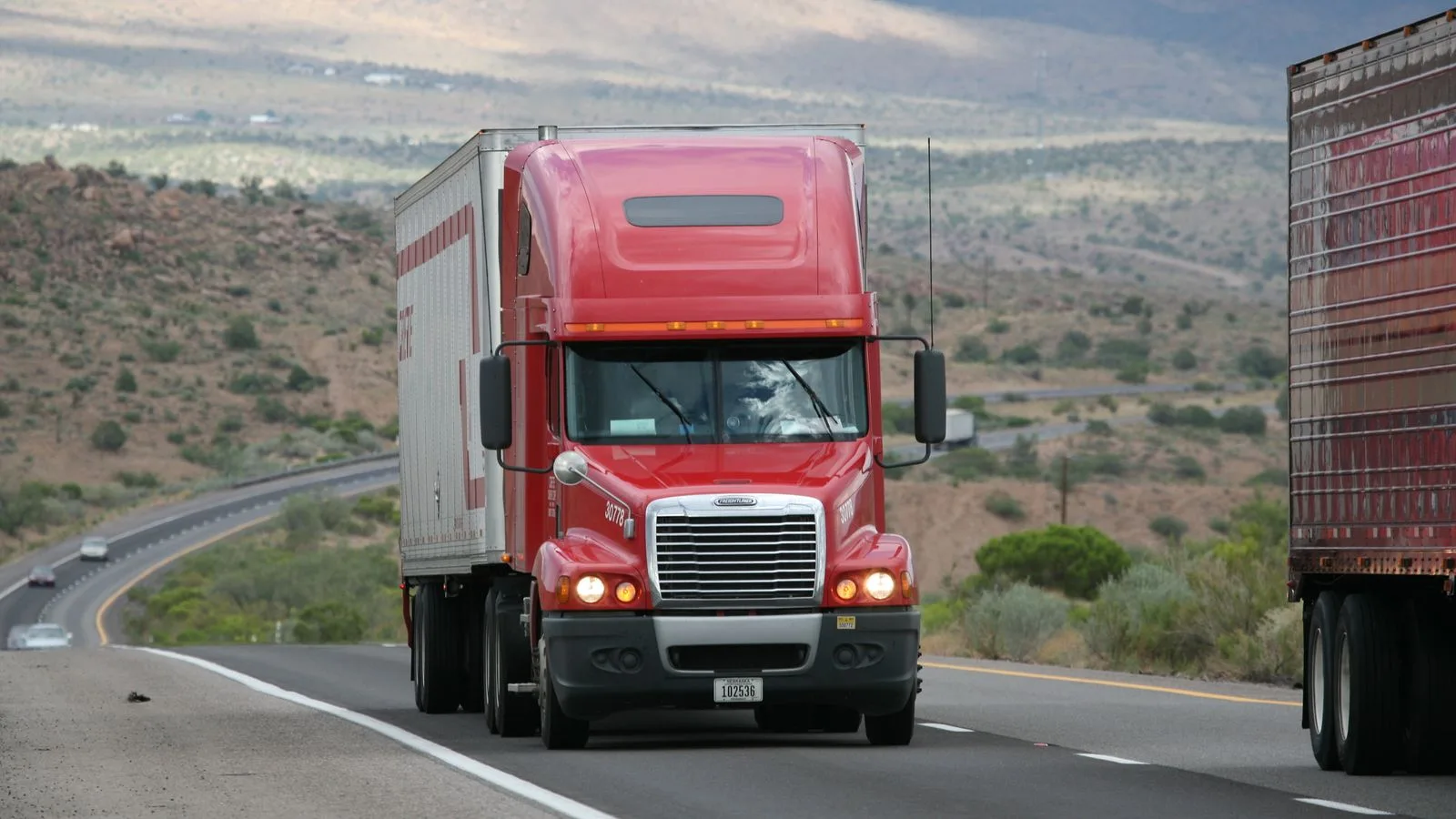
Port Arthur · Truck Accident
Port Arthur Truck Accident Lawyer
A commercial truck crash in Port Arthur involves the federal regulatory framework that governs every carrier moving freight through the refinery corridor: the Federal Motor Carrier Safety Regulations under 49 C.F.R. Parts 350 to 399 set the hours-of-service, inspection, and driver-qualification standards that apply to the tanker fleets and hazmat haulers on SH-73 and US-69. Because Jefferson County courts in Beaumont have historically weighed federal violations seriously, a truck case here requires immediate evidence preservation — ELD logs and dashcam footage cycle out within weeks — and a coverage map that accounts for the layered contractor structures serving the Motiva and Valero plants. The same two-year statute under Tex. Civ. Prac. & Rem. Code Sec. 16.003 applies, but the evidence window that makes the case is often measured in days.
Why Port Arthur cases are different
Port Arthur sits inside one of the densest refining footprints in North America, so tanker trucks, hazmat haulers, and contract maintenance fleets share SH-73 and SH-87 with everyday drivers. A collision with one of these commercial vehicles is a different legal animal than an ordinary car crash from the first hour.
FMCSA rules and the evidence that disappears fast
Tanker operators and the carriers serving the Motiva, Valero, Total, and Oxbow complex are commercial motor carriers regulated by the FMCSA, and hazmat operations add federal rules under 49 CFR Parts 171 to 180. That regulatory layer creates evidence an ordinary crash does not: driver-qualification files, hours-of-service logs, electronic logging device (ELD) data, post-crash drug-and-alcohol testing, the load manifest, and the carrier's federal safety record all become discoverable. Much of it is also fragile. ELD data and dashcam footage cycle out on short retention windows, so we send spoliation letters immediately and pull the FMCSA SAFER profile at intake. On SH-73's shift-change traffic, where a fatigued driver running between plant assignments may have logged hours that violate federal limits, the log data is frequently where liability is proven.
Employer liability and higher commercial policy limits
A crash with a refinery-service truck rarely involves just the driver. Under Texas law, a carrier can be directly liable for negligent hiring, training, supervision, and maintenance, and vicariously liable for a driver acting within the scope of employment. The contractor tier matters in Port Arthur because plant work moves through layered subcontracts, so the truck that hit you may be covered by a contractor's policy, the plant operator's tier, or both. Commercial auto policies in the Golden Triangle frequently carry seven-figure limits and sit beneath umbrella layers, which is why carriers move quickly to control the narrative with early recorded-statement requests. We map the full coverage chain before responding, because a quick offer against the wrong policy can leave the real coverage untouched.
More in Port Arthur
Other ways we help Port Arthur injury victims.




Frequently asked
Port Arthur truck accident questions
- The truck's ELD and telematics, the driver's hours-of-service logs and qualification file, post-crash drug and alcohol testing, the load manifest, dashcam footage, the carrier's maintenance and safety records, and any TxDOT or plant-perimeter camera coverage of the SH-73 or SH-87 scene. Much of this overwrites within weeks. We send preservation letters to every responsible party at intake to stop that destruction.
- Because the coverage and the evidence are both larger. Golden Triangle commercial carriers often carry seven-figure auto limits with umbrella layers above them, and FMCSA regulations create a documentary trail that can establish fault more clearly than a passenger-car crash. The tradeoff is that these defendants are well-funded and aggressive, so the case demands fast evidence preservation and careful coverage mapping.
- Frequently, yes. The driver can be liable for the collision itself, and the carrier or the plant contractor that employed the driver can be liable both vicariously and directly for negligent hiring, training, supervision, or maintenance. In Port Arthur's layered refinery-contractor structure, identifying every responsible entity and its insurer is a central part of the work and can substantially expand available coverage.
- Commercial tanker operators are regulated by the Federal Motor Carrier Safety Regulations under 49 C.F.R. Parts 350 to 399, which cover hours of service, pre-trip inspections, driver qualifications, and drug and alcohol testing. Hazmat tankers carrying petroleum products from the Golden Triangle refineries also fall under 49 C.F.R. Parts 171 to 180. Violations of those federal standards are central to establishing liability and, in egregious cases, support a gross-negligence claim for exemplary damages.
- Possibly, depending on the relationship between the carrier and the plant. If the truck was operating under a contract to serve Motiva or another plant and the carrier's authority or safety program was tied to the plant's requirements, the plant's coverage tier may be relevant. We investigate the full contractor chain at intake, because limiting the claim to only the truck's direct carrier can miss available coverage above the primary layer.
- The ELD is the federally mandated record and generally controls. A discrepancy between a paper log and ELD data is a serious regulatory violation that can itself be evidence of falsification. We pull both records through preservation letters and discovery and use the conflict to establish the hours-of-service picture and the carrier's knowledge. Falsified logs also factor into a gross-negligence analysis under Tex. Civ. Prac. & Rem. Code Sec. 41.003.
Where we work from
Downtown Austin. Port Arthur clients welcome.
Our office is in downtown Austin; we represent Port Arthur-area clients statewide and travel to Port Arthur for case-specific needs (scene visits, medical-records consultations, court appearances). Home and hospital visits when injuries make travel difficult.
Talk to a Port Arthur truck accident lawyer.
Free case review, no obligation. We'll tell you straight whether we can help.