
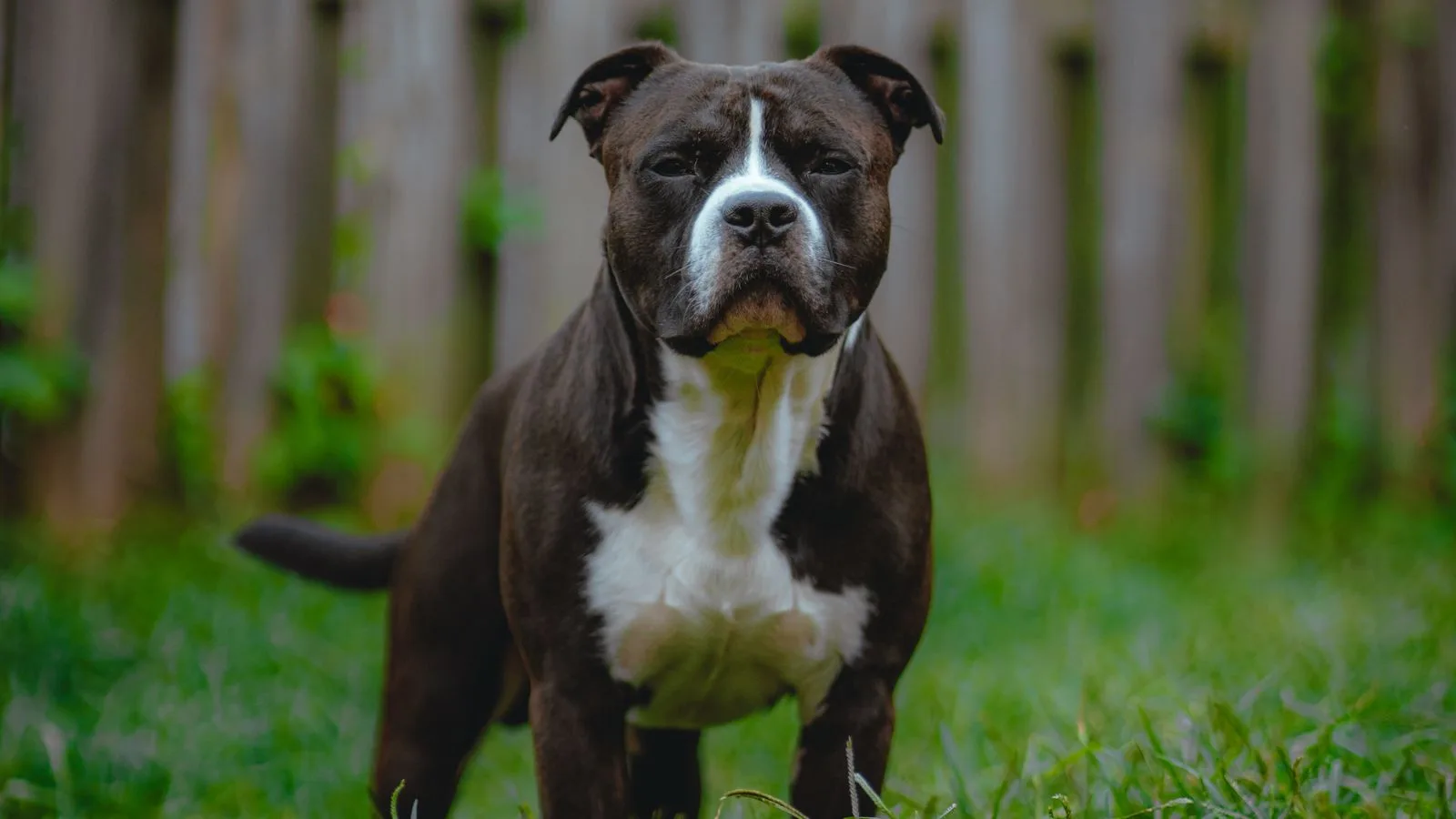
Dog bites · Subcategory
Child Dog-Bite Injury Cases
Dog bites on children are different from adult dog bites in three concrete ways: the injury pattern is more often facial because of the child's height relative to the dog, the procedural framework requires a parent or guardian to bring the suit as next friend, and any settlement involving a minor has to be approved by a Texas court or handled through a minor's trust. The damages picture is also different: facial scarring at age six is a permanent injury at age sixty, and the future-care and disfigurement components dominate the workup.
Facial injuries, scarring, and the long damages horizon
Children are bitten in the face at far higher rates than adults: the child's head is at the dog's mouth level during most household interactions. The recurring injury pattern is lacerations and avulsions on the cheeks, lips, nose, and forehead, sometimes involving the ear or the eyelid, often requiring layered closure by a plastic surgeon and a course of revision procedures over years. Scarring on a growing face changes as the child grows; revision work typically continues through adolescence. The damages workup for a child includes a documented projection of future surgical and psychological treatment over the decades the child will live with the injury.
Procedural mechanics: next friend, settlement approval, trust accounts
A minor cannot bring a lawsuit in her own name in Texas. The suit is filed by a parent or guardian acting as 'next friend.' Any settlement is subject to court approval; even an informal compromise outside of suit typically requires a friendly suit to be filed and a hearing held so a judge can confirm the settlement is in the child's best interest. The settlement proceeds are placed in a court-supervised registry account, a Section 142 trust under Tex. Prop. Code, an annuity, or a structured combination; the structure is chosen based on the child's age, projected needs, and family circumstances. The procedural overhead is meaningful and adds time to the case timeline.
Marshall propensity and the 'familiar dog' fact pattern
Most child bite cases we see involve a dog the child knows: a family member's dog, a friend's dog, a neighbor's dog. The Marshall v. Ranne framework still controls: the owner's knowledge of dangerous propensities is the central legal question, but the fact pattern often complicates the propensity proof. Owners of family dogs tend to downplay prior aggressive behavior, and propensity evidence often has to be developed through veterinary records (any prior treatment for aggression or anxiety), informal accounts from other family members, social-media posts about the dog, and any prior incidents involving other children. Owners' immediate post-attack statements ('he's never done that before') almost always become important and need to be preserved early.
Psychological injury and the under-documented loss
Children who survive significant dog attacks frequently develop trauma responses: fear of dogs, sleep disturbance, anxiety in animal-related contexts, and in some cases more substantial PTSD-pattern presentations. These injuries are real, treatable, and routinely under-documented when families assume 'kids bounce back.' The damages workup for a child dog-bite includes a pediatric mental-health evaluation and a treatment plan, even when the family has not yet sought one. Insurers price psychological injury at a discount when it is not in the record; the way to address that is to put it in the record.





Frequently asked
Questions Texas accident victims ask us
- The claim is paid by the homeowner's insurance policy, not by your friend personally; and dog-bite claims are a standard covered loss under most Texas homeowner's policies. Friends sometimes feel uncomfortable about the process, but the practical effect is that the insurance carrier pays the medical bills, pays for future scar revision, and funds whatever support the child will need. Letting the carrier pay is what the policy exists for. Most family-friend dog-bite cases we handle preserve the friendship; what damages the friendship is unaddressed medical needs and resentment, not the insurance claim itself.
- Texas law requires court approval of settlements involving minors to protect the child's interests. Even when the family and the insurer agree on terms, a 'friendly suit' is filed, a hearing is held, and a judge reviews the settlement and the structure of the proceeds to confirm both are in the child's best interest. The proceeds are then placed in a court registry, a Section 142 trust, an annuity, or some combination. The process adds time but it is the standard protection Texas builds into every minor's claim.
- The structures available include a court-registry account that holds the funds until the child turns 18, a Section 142 trust under Texas Property Code that allows for more flexible distributions during minority for specific needs, an annuity that pays out on a defined schedule (often timed to coincide with future medical or college expenses), or a combination. The specific structure depends on the child's age, the projected future medical needs, and the family's circumstances. The court reviews the proposed structure as part of the friendly-suit approval.
- That denial is common and often inaccurate. Many dogs have a history of growling, snapping, or near-misses that the owner privately minimizes or has forgotten. We work the propensity evidence through veterinary records (behavioral consultations are written down), social-media history, conversations with other family members and friends, and any prior reports to animal control. Owners' immediate post-attack statements are also useful: claims that 'he just snapped, no warning' often turn out to be inconsistent with the documentary record.
- Longer than adult dog-bite cases. Children's facial scars need time to mature before final revision recommendations can be made, plastic-surgery follow-up is ongoing, and the friendly-suit court approval adds procedural time. A typical timeline is eighteen to thirty months for serious facial-injury cases, and longer where extensive revision work is anticipated. The honest answer is that settling before the scar-progression picture is clear leaves money on the table; the future-care projection is the largest component of damages in most child facial-injury files.
- Yes, both past and future treatment. Pediatric mental-health treatment after a significant dog attack is a recognized component of personal-injury damages in Texas, and we routinely include it in the workup even when families have not yet sought treatment. Trauma responses in children — fear of dogs, sleep disturbance, anxiety — often need professional support, and the insurance recovery is the appropriate source of funding for that care.
- Comparative fault and provocation are common defense themes, particularly with younger children. Texas courts apply a different standard of conduct to children based on age: very young children (typically under five) are generally held to a different reasonableness standard than older children or adults. Even where some comparative fault is assigned, the case is rarely lost outright on provocation alone unless the conduct was extreme. The analysis is highly fact-specific.
- Texas tolls the two-year limitations period for minor plaintiffs in most personal-injury cases until the child reaches age 18, meaning a child injured at age 7 generally has until age 20 to file. The technical deadline is generous, but practical evidence considerations (veterinary records, neighbor memories, animal-control file retention, scar-progression documentation) make early action far better than waiting on the technical deadline.
Let's talk about your case.
Free case review, no obligation. We'll tell you straight whether we can help.