
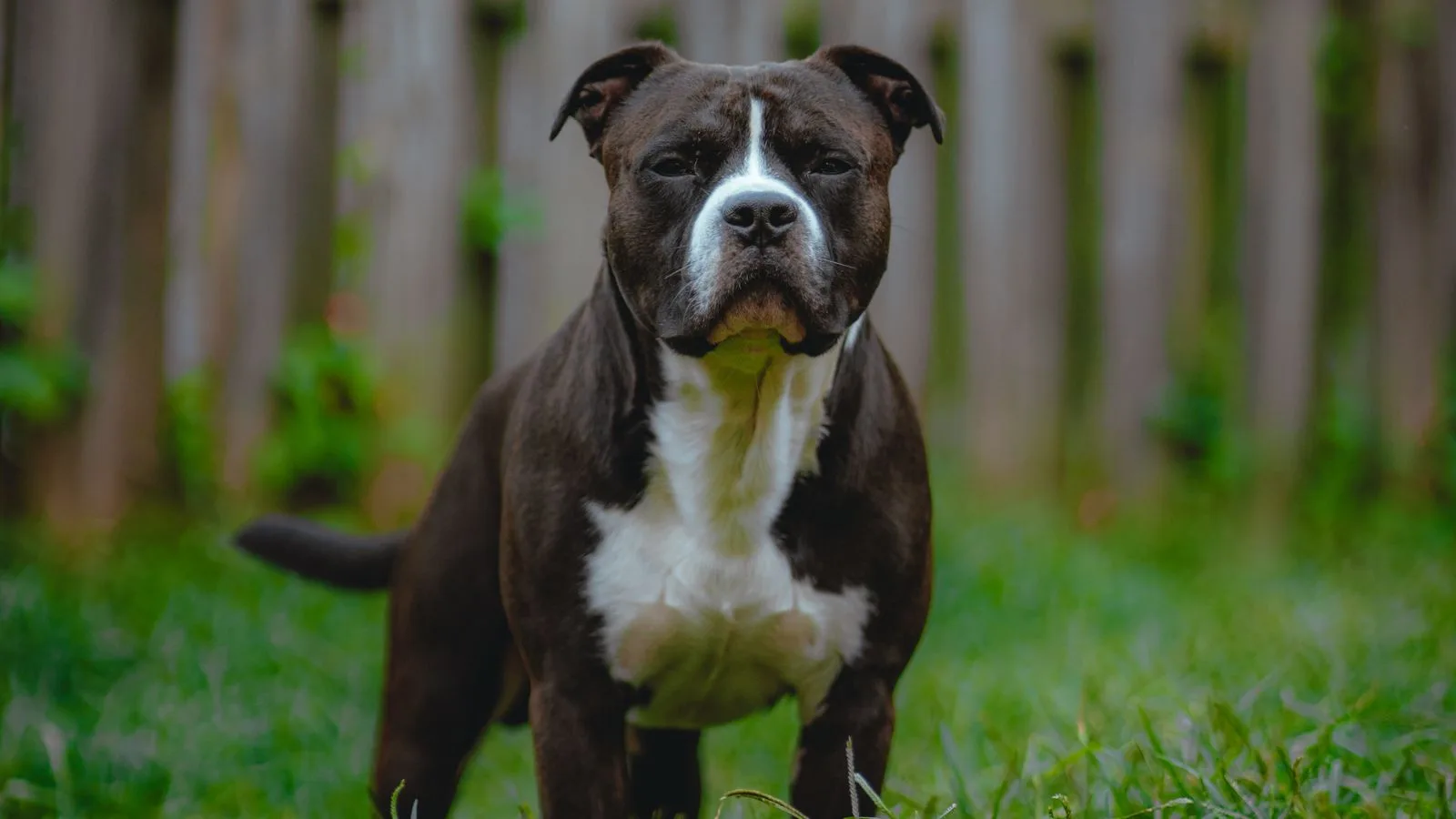
Dog bites · Subcategory
Dangerous-Dog History Claims
A 'known propensity' case is a dog-bite claim where the central issue is what the owner knew about the dog before the attack. Marshall v. Ranne sets the rule: liability attaches when the owner knew or should have known of dangerous propensities, and the entire workup of a propensity case is about documenting that knowledge. Prior bites are the cleanest form of evidence, but in practice the propensity case is built from a mosaic of animal-control records, veterinary notes, neighbor accounts, social-media posts, and prior dangerous-dog designations under Tex. Health & Safety Code Chapter 822.
Prior-bite documentation and the animal-control file
A prior bite is the most powerful single piece of evidence in a propensity case. Texas counties and municipalities all maintain animal-control incident files that include reported bites, the dog's identifying information, the owner of record, and the disposition of any quarantine or dangerous-dog proceeding. Austin Animal Services, the corresponding agencies in Williamson, Hays, and Travis Counties' contracting jurisdictions, and the relevant veterinary surveillance records together form the documentary base of the propensity case. Public-records requests should go out within days of the file opening; files are sometimes purged on rolling schedules and informal complaint records, in particular, become harder to obtain over time.
Subpoena practice for animal-control and veterinary records
Where public-records requests do not produce a complete file, subpoenas to animal services and to veterinarians who have treated the dog fill the gap. Veterinary records routinely document behavioral consultations, medication for anxiety or aggression, and the practitioner's notes on owner-reported behavior, all of which is propensity evidence even when the dog has no prior bite on its formal record. Subpoenaing the dog's veterinary history is a recurring step we take in any contested-propensity case. The records are not privileged in any meaningful way once the dog's behavior is at issue in litigation.
Statutory dangerous-dog designation under Chapter 822
Texas Health & Safety Code § 822.041–.046 sets out the formal dangerous-dog designation process: after a covered incident, a complainant can petition the local animal-control authority for a determination that the dog is dangerous, and the dog's owner becomes subject to specific containment, insurance, and registration obligations. A prior dangerous-dog designation against the same dog, issued before the attack in question, provides extraordinarily strong propensity evidence: the owner is on actual statutory notice of the dog's classification. We pull the dangerous-dog file in every case where one might exist; sometimes the prior designation was issued and quietly ignored by the owner, which is itself strong evidence of unreasonable conduct.
Breed-specific evidence and the pitfalls of getting it wrong
Texas state law preempts breed-specific local regulation under Tex. Health & Safety Code § 822.047, and many courts are skeptical of breed-based arguments as a substitute for individualized propensity evidence. Plaintiff's counsel who lean too heavily on breed identification, particularly mixed-breed identifications that are often inaccurate without DNA, can damage credibility with the trier of fact. The stronger approach is individualized: this specific dog, this specific owner, this specific behavioral history. Breed can be part of the picture (a working breed kept without exercise or training, for example) but is rarely the centerpiece. We use breed evidence carefully and in support of, not in place of, the propensity case.






Frequently asked
Questions Texas accident victims ask us
- It is a formal classification under Tex. Health & Safety Code § 822.041–.046 that the local animal-control authority can issue after a qualifying incident, typically an unprovoked bite or attack that caused bodily injury. A designated dangerous dog's owner becomes subject to specific containment, insurance, and registration obligations. A prior dangerous-dog designation against the same dog, issued before a later attack, is among the strongest propensity evidence available in a Texas civil case.
- Public-records requests to the relevant animal-control agency — Austin Animal Services for the city of Austin, the corresponding county agencies elsewhere — are the first step. The request should identify the dog by description and the owner's address. Where the agency's records are incomplete, subpoenas to the veterinarian who has treated the dog often fill the gap. Neighbor canvassing also produces informal accounts of prior aggressive behavior that never reached an official report.
- The Texas Supreme Court framed it as conduct that would put a reasonable owner on notice that the dog was likely to cause injury. A prior bite is the cleanest evidence. Other evidence includes prior aggressive lunging or charging at people, growling and snapping incidents that did not break skin, complaints by neighbors, the dog being routinely muzzled or chained for a specific reason, a 'beware of dog' sign installed by the owner, and any prior reports to animal control. The standard is what was known about the dog's behavior, not what the dog had on its formal record.
- Less than people often assume. Texas state law preempts breed-specific local regulation under § 822.047, and many courts treat breed-based arguments with skepticism as a substitute for individualized propensity evidence, particularly with mixed-breed dogs where the identification itself is uncertain. Breed can be one factor in a broader propensity picture, but the strongest cases are built on this specific dog's documented history, not on generalizations about a breed.
- Texas case law generally imputes knowledge to a current owner who acquired a dog with a documented prior bite history, particularly when the prior history was disclosed at acquisition or was on the public record. Owners who took on a rescue or rehome with known behavioral problems are on notice; the inquiry then turns to what they did with that knowledge. Failure to maintain secure containment, failure to leash and warn, and failure to seek behavioral intervention all support the propensity case.
- Yes, by subpoena when the dog's behavior is at issue. Texas does not provide a meaningful confidentiality privilege for veterinary records in civil litigation when the animal's behavior is directly relevant to a tort claim. Behavioral consultations, prescriptions for anxiety or aggression-related medication, and the veterinarian's notes on owner-reported behavior are all routinely obtained in serious propensity cases.
- They still count as evidence. The legal standard for civil liability is what the owner knew or should have known, not whether a regulatory agency took formal action. A neighbor who filed an informal complaint that did not produce a citation is still a witness to prior aggressive behavior, and the report itself is documentary evidence of notice to the owner. The defense will argue these reports are unreliable; the response is to investigate each one independently rather than relying on the agency's disposition.
- Within the first two to four weeks of the file. Animal-control agencies operate on varying retention schedules, and informal complaint records in particular are sometimes purged when no formal action results. Veterinarians retain records for longer periods but practice changes and record-system migrations can complicate later retrieval. Neighbor memories also blur; people who clearly recall a near-miss incident in the first month often do not recall the details a year later. Speed matters.
Let's talk about your case.
Free case review, no obligation. We'll tell you straight whether we can help.