
Truck accidents · Subcategory
Underride Truck Accident Lawyer in Texas
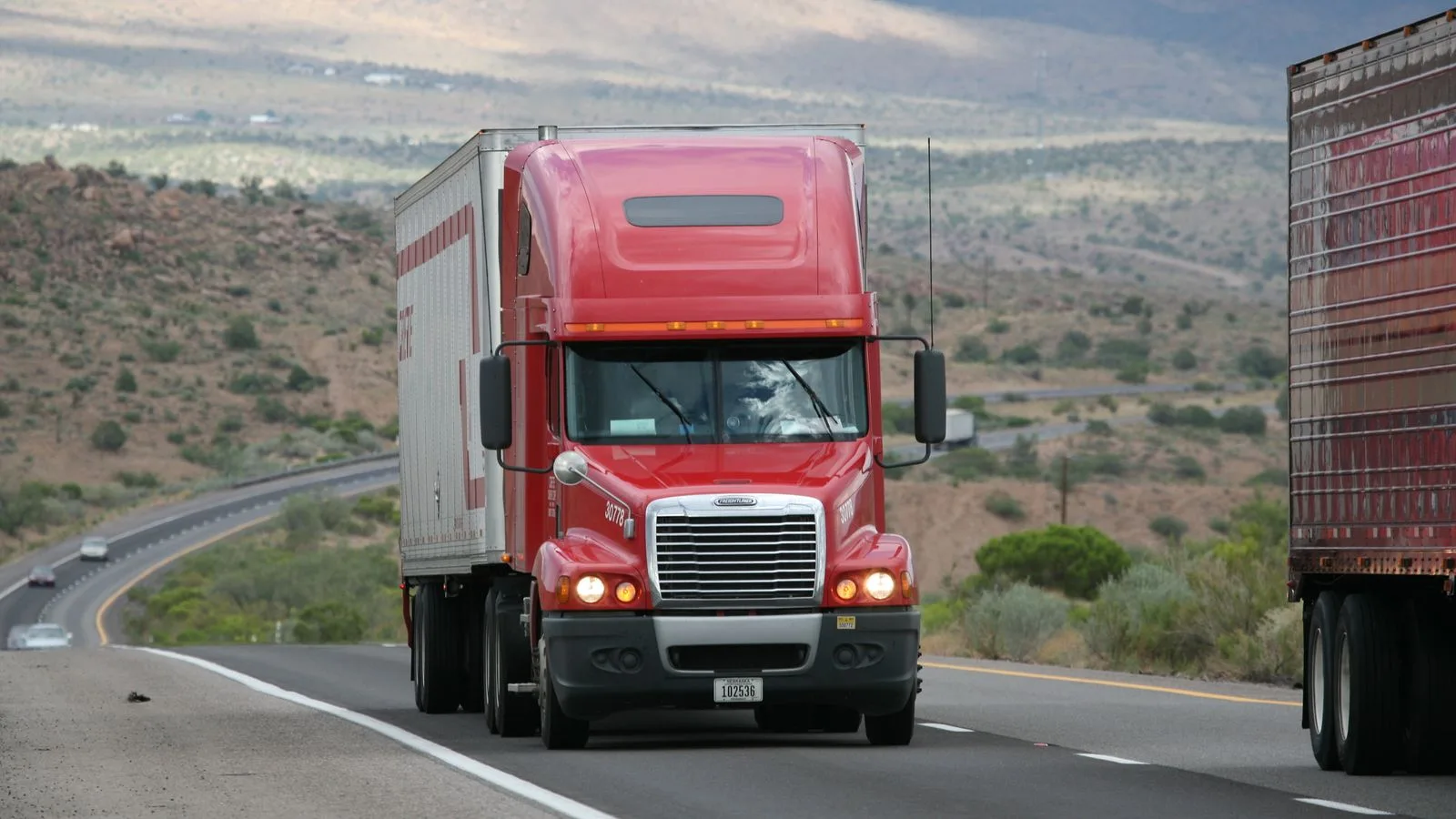
An underride crash happens when a passenger vehicle slides beneath the body of a tractor-trailer: either under the back of the trailer (rear underride) or beside the trailer between the wheels (side underride). The trailer's chassis is built at roughly bumper height of an SUV; the passenger vehicle's safety cage is designed to crush against another vehicle's safety cage, not slide under steel framing. The result is almost always intrusion into the passenger compartment, decapitation-level injuries, or fatality. NHTSA, IIHS, and the trucking industry have been arguing about underride guards for four decades. The current federal rule is decades behind the available technology.
Rear underride and the federal guard standard
Federal Motor Vehicle Safety Standard 223 and 224 require rear underride guards (sometimes called ICC bumpers or DOT bars) on most trailers manufactured after January 1998. The guard must withstand specific force levels, but the standard was last meaningfully updated in 2022 to a level still below what IIHS crash testing demonstrates is achievable. Many trailers on the road today have guards that are damaged, missing entirely, corroded through, or installed at non-compliant height. A rear-underride case routinely turns on whether the guard was present, intact, and compliant, and if not, why.
Side underride and the absence of any federal standard
There is currently no federal requirement for side underride guards on trailers in the United States. IIHS has published crash-test data since 2017 showing that an engineered side-skirt guard prevents passenger-compartment intrusion at 40 mph, yet NHTSA has not promulgated a rule, and the trucking industry has largely declined to retrofit voluntarily. Texas cases involving side underride often proceed on negligence theories tied to the truck driver's lane change, blind-spot management, or backing maneuver, not on the absent guard itself. The absence of a federal rule does not preclude a state-law claim, but it shapes how the case is framed.
Why these crashes produce catastrophic injuries
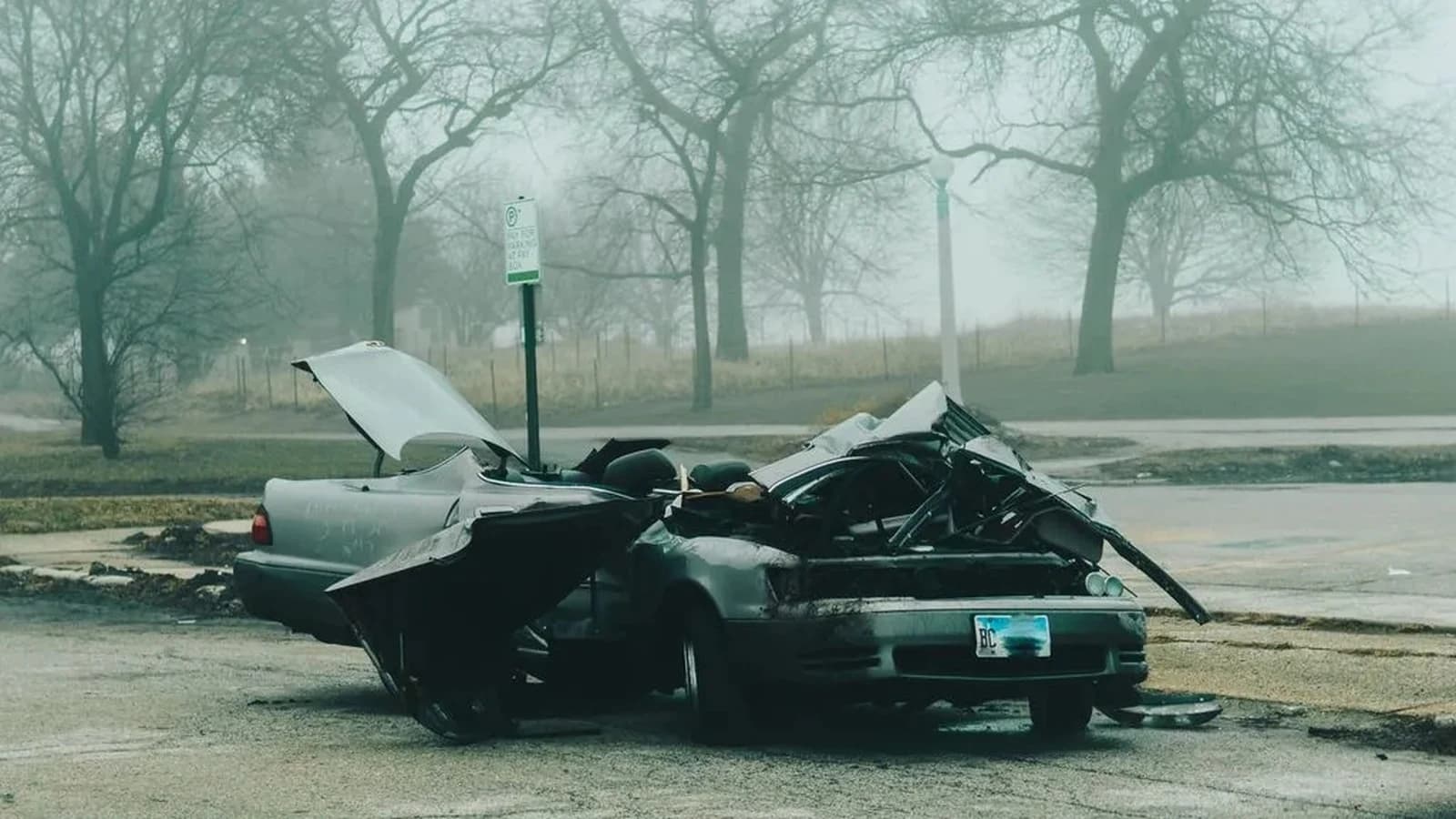
Passenger-vehicle airbags deploy based on accelerometers on the bumper and frame. In an underride, the first hard contact is not the bumper; it is the trailer's chassis striking the windshield, A-pillars, and roof. Airbags often do not deploy or deploy too late. The crumple zones engineered into the front structure are bypassed entirely. The forces hit the occupants directly through the upper passenger compartment, producing severe head, neck, and chest injuries patterns that look nothing like an ordinary frontal collision. The medical bills follow the injury pattern, and serious cases involve seven-figure long-term care and rehabilitation projections.
Defendants beyond the trucking company
Underride cases routinely involve multiple defendants: the truck driver (negligent operation, lane change, or backing), the motor carrier (vicarious and direct liability), the trailer owner (separate entity in many drop-and-hook operations), the trailer manufacturer (defective or non-compliant guard design), the maintenance shop that last inspected the guard, and in rare cases the entity responsible for a crashed-into roadway condition. Texas joint-and-several liability rules (Tex. Civ. Prac. & Rem. Code § 33.013) allow recovery from any defendant assigned 50% or more fault for the full judgment, a structure that matters when one defendant has limited coverage.



Frequently asked
Questions Texas accident victims ask us
- An underride happens when a passenger vehicle slides under the body of a tractor-trailer rather than colliding bumper-to-bumper. The trailer chassis sits roughly at windshield height of most passenger cars and SUVs. The passenger vehicle's airbags, crumple zones, and frame structure are bypassed entirely, and the trailer's steel framing strikes the occupants directly through the upper passenger compartment. Survivable speeds in normal frontal collisions become catastrophic in underride geometry. NHTSA and IIHS have documented this for decades.
- Yes, on most trailers built after January 1998 under Federal Motor Vehicle Safety Standards 223 and 224. The guard (commonly called an ICC bumper or DOT bar) must meet specific energy-absorption requirements. The standard was updated in 2022, to a level still below what IIHS crash testing shows is achievable. In real cases, the question is often whether the guard was present, intact, properly installed at the right height, and undamaged. Many guards in service today are corroded, bent from prior contacts, or in some cases removed entirely.
- No federal requirement. IIHS has published crash-test data since 2017 showing engineered side guards prevent passenger-compartment intrusion at 40 mph, and proposed federal rulemaking has been pending for years. As of now, side underride guards are voluntary, and almost no fleet has retrofitted. Side underride cases proceed on driver-negligence theories — improper lane change, blind-spot violation, unsafe backing — rather than on the guard's absence.
- Three differences matter. First, injury severity is dramatically higher because the safety systems of the passenger vehicle do not engage as designed. Second, the trailer guard itself becomes a central liability issue (was it present, was it compliant, was it maintained). Third, the defendant universe usually includes the trailer manufacturer and the trailer-owning entity in addition to the standard trucking-case defendants. The medical projections, long-term care plans, and life-care plans in serious underride cases drive case values that are categorically different from typical rear-end claims.
- Sometimes. Texas product-liability law allows claims against trailer manufacturers for defective design of underride guards. The strongest cases involve a guard that met the minimum federal standard but failed under conditions the IIHS testing program had publicly demonstrated could be survived with a better-engineered guard. The 'state of the art' defense is real, but the published IIHS data, dating back to 2011, undercuts it for newer trailers. Older trailers built before more capable designs existed face a different analysis.
- That moves liability sharply toward the carrier and driver. 49 CFR § 393.11 requires functioning trailer lamps, reflectors, and conspicuity treatments at all times of operation. § 392.7 requires the driver to verify lighting at the pre-trip inspection. § 392.22 requires deployment of emergency warning devices (triangles or fusees) within ten minutes when the vehicle is stopped on a roadway or shoulder. A trailer protruding into a travel lane at night without working lights or deployed warning devices is a regulatory violation stack.
- Photographs of the trailer rear and the guard (or its absence), the trailer's maintenance file and DVIR history, lighting-circuit inspection records, the trailer's compliance plate showing build year and FMVSS 223/224 certification, the police accident reconstruction, scene photos showing how far the trailer protruded into the travel lane, and physical preservation of the guard itself (or the location where it should have been). For side underride, blind-spot studies and the truck's lane-change camera footage, where available, are central.
- Yes, that is the predictable defense. The counter is straightforward: Texas drivers are entitled to assume that a tractor-trailer on a public roadway is operating with required lighting, reflectors, and (when stopped) deployed warning devices. A trailer that protrudes into a travel lane on a dark roadway with non-functioning lights is precisely the hazard the federal lighting and conspicuity rules exist to prevent. Comparative-fault arguments rarely carry the day when the trailer was non-compliant.
Let's talk about your case.
Free case review, no obligation. We'll tell you straight whether we can help.