
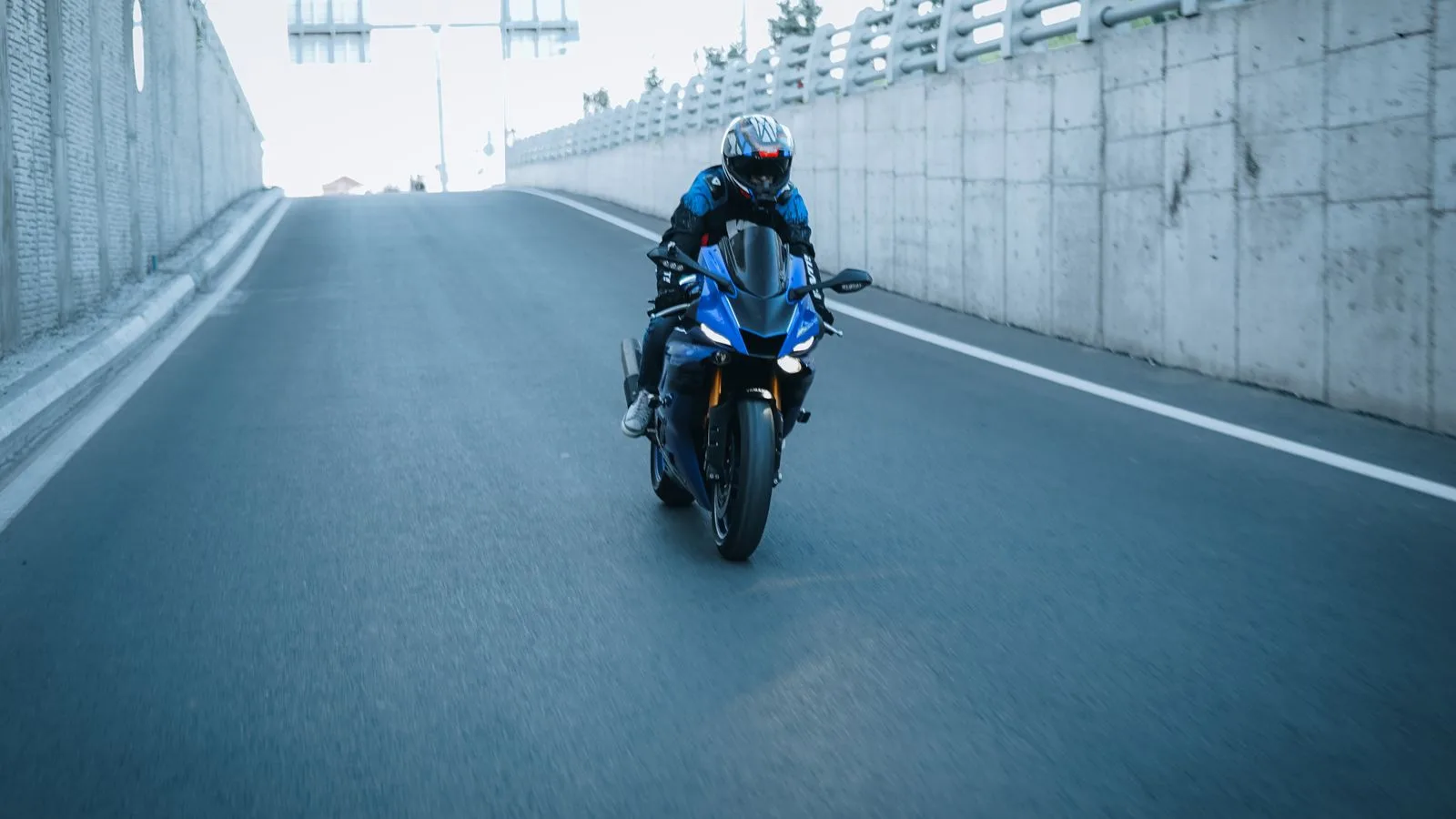
Seguin · Motorcycle Accident
Seguin Motorcycle Accident Lawyer
A motorcycle accident claim in Seguin follows Texas fault-based negligence rules, with the critical difference that riders are far more vulnerable to serious injury than vehicle occupants and are routinely blamed by insurers regardless of fault. The two most common crashes in Guadalupe County are the left-turn collision at FM-725 or FM-78 intersections, where a driver turns across an oncoming rider's path, and the lane-change sideswipe on I-10 or SH-46. Modified comparative fault under Chapter 33 applies, the 51 percent bar governs, and the two-year statute under § 16.003 sets the filing deadline; the rider's own UM/UIM coverage is frequently the backstop when the at-fault driver is underinsured.
Why Seguin cases are different
Seguin riders face a hard road mix: SH-46 is a high-speed two-lane route north toward New Braunfels with limited shoulders, I-10 carries heavy freight, and the FM-725 and FM-78 arterials concentrate the intersections where drivers turn across a rider's path. The injuries are severe, and the bias against riders starts early.
Rider bias and the left-turn and lane-change crash
The two crash patterns that dominate motorcycle files are the left-turn collision, where a driver turns across the rider's path at an intersection like those on FM-725 or FM-78, and the lane-change sideswipe, where a driver merges into a rider the mirror never caught. In both, the physics favor the driver's account because the rider often goes down and cannot photograph the scene. Defense carriers lean on rider bias from the first call, framing speed, lane position, or gear choices to shift blame under Chapter 33 proportionate responsibility. We counter with the scene geometry, the at-fault driver's sightlines, any nearby business or traffic camera footage, and the crash report. On SH-46's high-speed two-lane stretches, run-off-road and oncoming-lane crashes raise their own speed and visibility questions that we document before the carrier frames them against the rider.
Severe injuries and the ER-to-follow-up gap
Motorcycle riders absorb crash forces with little between them and the road, so injuries skew toward fractures, road rash requiring grafting, and head and spine trauma. In Seguin, moderate-acuity riders go to Guadalupe Regional Medical Center on East Court Street, while catastrophic transports route west on I-10 to University Hospital in San Antonio or to Brooke Army Medical Center. The recurring problem is the quick local discharge that captures the obvious fracture or laceration but misses the disc or ligament injury that surfaces only at the follow-up ten to fourteen days later. That gap is exactly where defense carriers anchor a low valuation. We push riders into appropriate orthopedic or neurology follow-up early so the medical record reflects the real injury before any demand goes out.




Frequently asked
Seguin motorcycle accident questions
- No. Texas does not require helmets for all adult riders, and the absence of a helmet does not automatically bar recovery. Fault is still decided under Chapter 33 proportionate responsibility based on who caused the crash. A carrier may argue a head injury was worsened by no helmet, but that is a contested medical and legal question, not an automatic defense. The driver who turned across your path remains the central liability issue.
- Rider bias is a real tactic, so we build the objective record fast: scene measurements, vehicle damage angles, the at-fault driver's sightlines and turn path, witness accounts, and any traffic or business camera footage near the intersection. On a left-turn or lane-change crash, the geometry usually shows the driver failed to yield or merged unsafely. The crash report narrative and physical evidence carry more weight than the driver's self-serving speed estimate.
- Moderate-acuity riders typically go to Guadalupe Regional Medical Center on East Court Street. Catastrophic injuries route west on I-10 to University Hospital in San Antonio's medical center or to Brooke Army Medical Center, depending on the trauma type. Because severe rider injuries often involve a multi-facility record, we make sure the local ER, any transfer hospital, and your specialist follow-up are all captured before the demand goes out.
- Your own underinsured motorist coverage is the primary backstop when the at-fault driver's policy is too low to cover your losses. UM/UIM is first-party coverage you purchased, and it applies to motorcycle crashes just as it does to car crashes. We pursue the at-fault driver's liability policy and your UM/UIM claim in parallel so neither one forecloses the other and you preserve the full available coverage.
- Yes, and they do. I-10 carries heavy freight and commuter traffic, and lane-change sideswipes on multi-lane highway sections are a recurring motorcycle crash pattern. The driver typically claims they checked the mirror and saw nothing. Business or dash-cam footage from vehicles in the area, combined with the physical damage profile on both vehicles, is usually what resolves the dispute in favor of the rider.
- Two years from the crash date under Tex. Civ. Prac. & Rem. Code § 16.003, the same statewide limit that applies across Texas. Exceptions run for minors and for claims against governmental defendants, where Texas Tort Claims Act notice is required within six months of the event. Contact counsel well before the two-year window closes so camera footage and electronic crash data can be preserved before they are overwritten.
Where we work from
Downtown Austin. Seguin clients welcome.
Our office is in downtown Austin; we represent Seguin-area clients statewide and travel to Seguin for case-specific needs (scene visits, medical-records consultations, court appearances). Home and hospital visits when injuries make travel difficult.
Talk to a Seguin motorcycle accident lawyer.
Free case review, no obligation. We'll tell you straight whether we can help.