
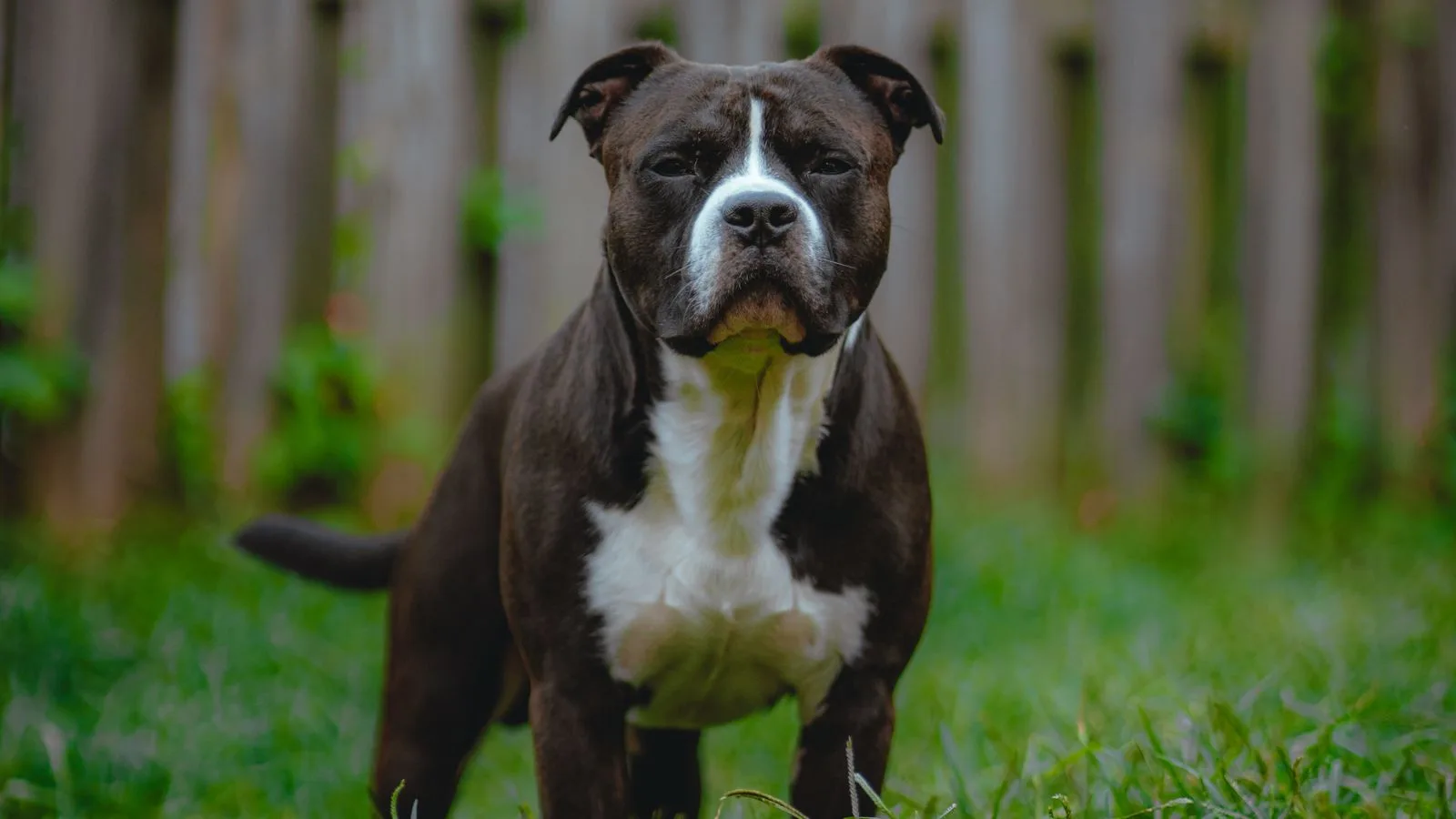
Seguin · Dog Bite
Seguin Dog Bite Lawyer
A dog bite or animal attack case in Seguin rests on Texas common law rather than a single strict-liability statute. Under the standard established in Marshall v. Ranne, an owner who knew or had reason to know the dog had dangerous propensities is liable for the harm it causes, even without a prior bite on record; and ordinary negligence, including leash-ordinance violations and failure to confine, creates a parallel path to recovery. These cases arise at residential properties, apartment complexes, and parks throughout Guadalupe County and are filed in Guadalupe County district court under the two-year statute at § 16.003; for child victims the deadline is tolled until the minor turns eighteen.
Why Seguin cases are different
Dog-bite claims in Seguin span the residential neighborhoods, the downtown corridor near Texas Lutheran University, and the rural unincorporated tracts across Guadalupe County. Texas has no single bite statute, so these cases turn on owner knowledge and negligence, with homeowner or renter coverage usually funding the recovery.
Texas owner liability without a strict-liability statute
Texas does not have a one-size strict-liability dog-bite law. Liability generally runs on two tracks. The first is the common-law knowledge rule, sometimes called the one-bite rule: an owner who knew or had reason to know the dog had dangerous propensities, through a prior bite, aggressive lunging, or warning behavior, is liable for the harm it causes. The second is ordinary negligence: an owner who fails to restrain or control a dog, violates a local leash or restraint ordinance, or lets the animal roam can be liable even without a known bite history. In rural Guadalupe County, loose-dog and livestock-area encounters often turn on the negligence track and on what restraint the owner reasonably should have used. We build the dog's history early through neighbor accounts, prior animal-control complaints, and vet or registration records.
Severe and facial injuries, and where the coverage comes from
Dog bites cause damage out of proportion to the animal's size, especially with children, where bites cluster around the face and neck and can require plastic-surgery revision over years. Beyond the physical wounds, there are puncture-infection risks, scarring, and lasting psychological trauma and fear of dogs. Recovery in most Seguin cases comes from the owner's homeowner or renter insurance, which typically covers dog-bite liability, though some policies exclude certain breeds or a dog with a prior bite. We identify the applicable policy early and document the full injury, including future scar-revision needs and the psychological component, because a quick local urgent-care or ER visit captures the wound closure but rarely the long-term reconstructive and emotional picture that drives true value.
More in Seguin
Other ways we help Seguin injury victims.




Frequently asked
Seguin dog bite questions
- Not exactly. Texas uses a common-law knowledge standard plus ordinary negligence. If the owner knew the dog had dangerous tendencies, they are liable. But even a first bite can support a claim if the owner was negligent, for example by violating a leash ordinance or letting the dog roam loose. So a first bite is not automatically free; it depends on the owner's knowledge and conduct.
- Usually the owner's homeowner or renter insurance, which commonly covers dog-bite liability. In rural areas, the claim often rests on negligence, such as failing to fence or restrain the animal or letting it roam in violation of local rules. We work to identify the responsible owner and the applicable policy, and to document the dog's prior behavior through animal-control records and neighbor accounts that establish the owner's knowledge.
- Facial bites in children frequently need plastic-surgery revision as the child grows, and the value of the claim depends on documenting that future course, not just the initial closure. There is also a real psychological component, fear of dogs and anxiety, that deserves evaluation. Photograph the injuries through healing, follow specialist recommendations, and preserve the record so the long-term reconstructive and emotional impact is captured.
- Guadalupe County animal-control records and any reports made to local authorities are the primary sources. Neighbors and nearby residents can provide statements about prior incidents or aggressive behavior. Veterinary records and registration history sometimes reflect prior quarantine orders. We gather all of this early because the owner's prior knowledge of dangerous propensities is central to the Marshall v. Ranne liability standard.
- Possibly. A landlord or apartment complex can be liable if it had actual knowledge of the tenant's dangerous dog and the legal ability to require its removal or take other action, but failed to act. The Tellez v. Saban standard requires both knowledge and control. If the apartment complex received prior complaints about the dog and did nothing, that creates potential liability alongside the owner's homeowner or renter policy.
- Two years from the date of the bite under § 16.003. For minor victims the statute is tolled until the child turns eighteen, which can significantly extend the window. The practical reason to act quickly even for children is evidence preservation: animal-control records, neighbor accounts, and surveillance footage from the attack location can disappear long before the legal deadline arrives.
Where we work from
Downtown Austin. Seguin clients welcome.
Our office is in downtown Austin; we represent Seguin-area clients statewide and travel to Seguin for case-specific needs (scene visits, medical-records consultations, court appearances). Home and hospital visits when injuries make travel difficult.
Talk to a Seguin dog bite lawyer.
Free case review, no obligation. We'll tell you straight whether we can help.