
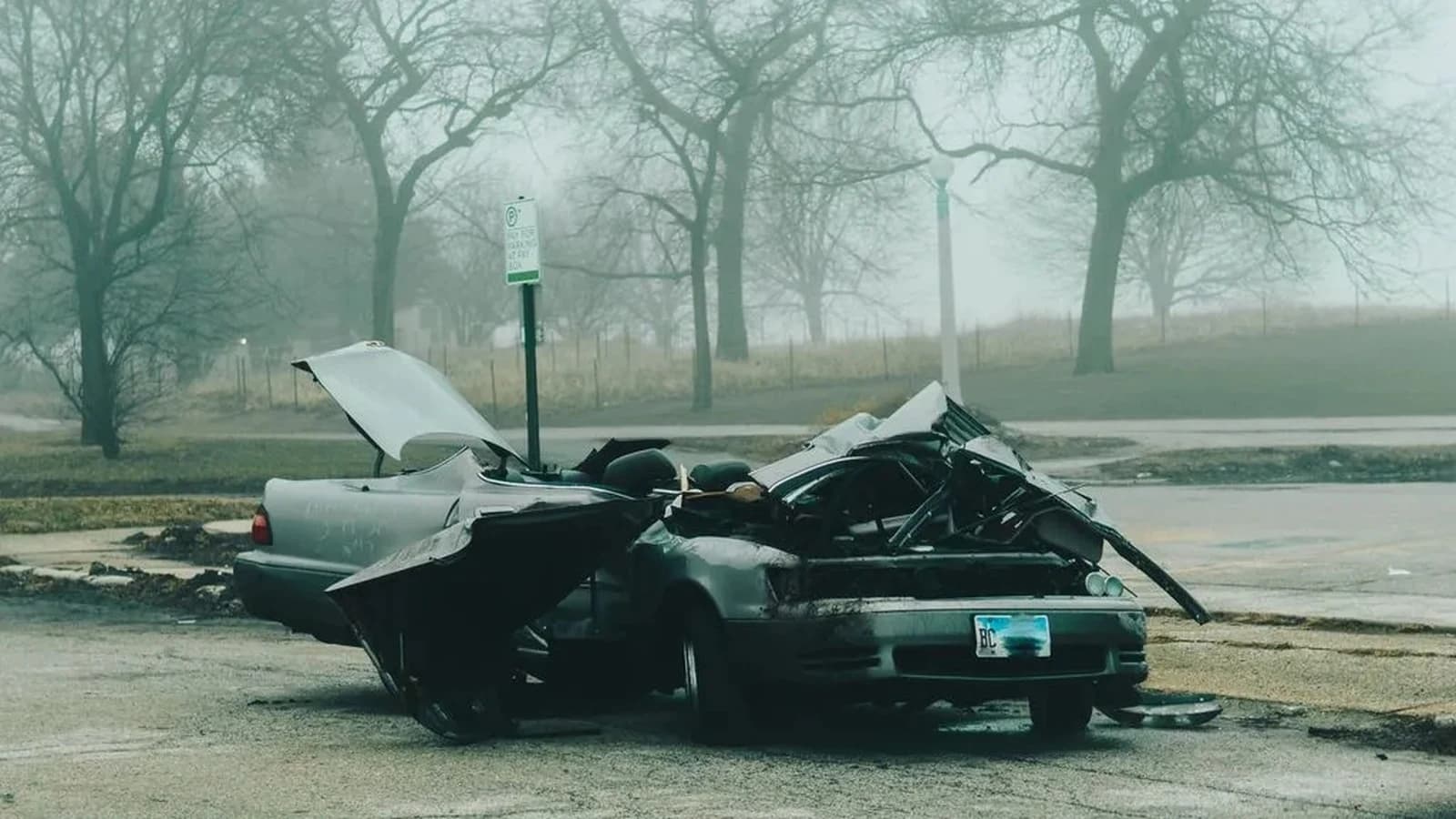
Spring · Car Accident
Spring Car Accident Lawyer
A car accident claim in Spring is a personal injury case that arises when a negligent driver causes a collision on roads like I-45, the Hardy Toll Road, or FM-2920, injuring an occupant of another vehicle. Texas operates under modified comparative fault, meaning an injured person can recover as long as their share of responsibility is 50 percent or less, with any recovery reduced by that share. The two-year statute of limitations under Tex. Civ. Prac. & Rem. Code § 16.003 governs the deadline to file. Because Spring straddles the Harris and Montgomery county line, venue, either at 201 Caroline in Houston or at the Lee G. Alworth Building in Conroe, depends on exactly where the crash occurred.
Why Spring cases are different
Spring's heaviest car-crash volume rides the I-45 corridor between Beltway 8 and the Grand Parkway, the parallel Hardy Toll Road, and the FM-2920 surface arterial through the community's center. Because Spring straddles the Harris and Montgomery county line, where the wreck happened decides which courthouse and jury pool hear it.
Common crash patterns on I-45, the Hardy, and FM-2920
The I-45 segment between Beltway 8 and SH-99 is the highest-volume stretch in our Spring intake, carrying commuter traffic between The Woodlands and downtown Houston that produces a steady run of rear-end and merge collisions during morning and evening rush. The Hardy Toll Road, a few miles east, mixes toll-road commuters and airport-bound drivers at higher speeds, so its crashes tend to be more severe. FM-2920, the main east-west arterial linking Tomball to Humble, generates intersection collisions at Kuykendahl, Stuebner Airline, and the I-45 ramps, while Louetta, Spring Cypress, and Cypresswood feed residential traffic into those same chokepoints. Each crash type calls for different evidence: rear-end files turn on following-distance and braking, while intersection T-bones turn on signal phasing and right-of-way at the moment of impact.
Chapter 33 fault, UM/UIM, and the county-line question
Texas decides fault by proportionate responsibility under Chapter 33 of the Civil Practice and Remedies Code. A jury assigns each party a percentage of blame; an injured driver recovers only if their share stays at or below 50 percent, and any award drops by their own percentage. On a fast I-45 merge or a busy FM-2920 left turn, that allocation often decides the case. Underinsured and uninsured motorist coverage matters here too, because a high-mileage commuter corridor sees drivers carrying only minimum limits or none at all; your own UM/UIM policy can fill the gap when the at-fault driver cannot cover the harm. Before filing, we confirm which side of the Harris/Montgomery line the crash sits on, because venue under Section 15.002 sends the case either to 201 Caroline in Houston or to the Lee G. Alworth Building in Conroe.
More in Spring
Other ways we help Spring injury victims.



Frequently asked
Spring car accident questions
- Usually the trailing driver bears most of the blame for a rear-end crash, but Texas applies Chapter 33 proportionate responsibility, so it is rarely all-or-nothing. A defense may argue you stopped abruptly or had a brake light out. We pull the crash report, any dashcam, and following-distance evidence to keep your share of fault low, since your percentage directly reduces what you can recover.
- Check your own policy for uninsured/underinsured motorist coverage. On a commuter corridor like I-45 and the Hardy, drivers with minimum or no coverage are common, and UM/UIM lets you claim against your own carrier up to your limits. It is optional in Texas but valuable. We review your declarations page to confirm what coverage you carry and how it stacks with any available liability policy.
- It depends on which side of the county line the crash occurred. Spring sits on both. A wreck on the Harris side venues at 201 Caroline in downtown Houston; one on the Montgomery side venues in Conroe at the Lee G. Alworth Building. We verify the crash location against the report before filing, because docket pace and jury composition differ between the two courthouses.
- Two years from the date of the crash under Tex. Civ. Prac. & Rem. Code § 16.003. If a governmental entity — such as Harris County, Montgomery County, or a school district — is potentially at fault for a road condition, pre-suit notice under the Texas Tort Claims Act must be given on a much shorter timeline. Consult an attorney well before the two-year mark to protect both deadlines.
- Signal-timing and camera footage from TxDOT and Harris County are critical for intersection crashes and can be overwritten within days. Take photos at the scene if you can, note any witnesses, and request that your attorney send a preservation letter to the relevant county or TxDOT. The police report will confirm exact crash coordinates, which also determines Harris versus Montgomery County venue.
- Yes, if your share of fault is 50 percent or less under Texas Chapter 33 modified comparative fault. Your recovery is reduced by your own percentage, so if you were 20 percent at fault, you recover 80 percent of your damages. You recover nothing only if a jury finds you 51 percent or more responsible. Defense attorneys will try to maximize your assigned percentage, which is why documenting your conduct carefully matters.
Where we work from
Downtown Austin. Spring clients welcome.
Our office is in downtown Austin; we represent Spring-area clients statewide and travel to Spring for case-specific needs (scene visits, medical-records consultations, court appearances). Home and hospital visits when injuries make travel difficult.
Talk to a Spring car accident lawyer.
Free case review, no obligation. We'll tell you straight whether we can help.