
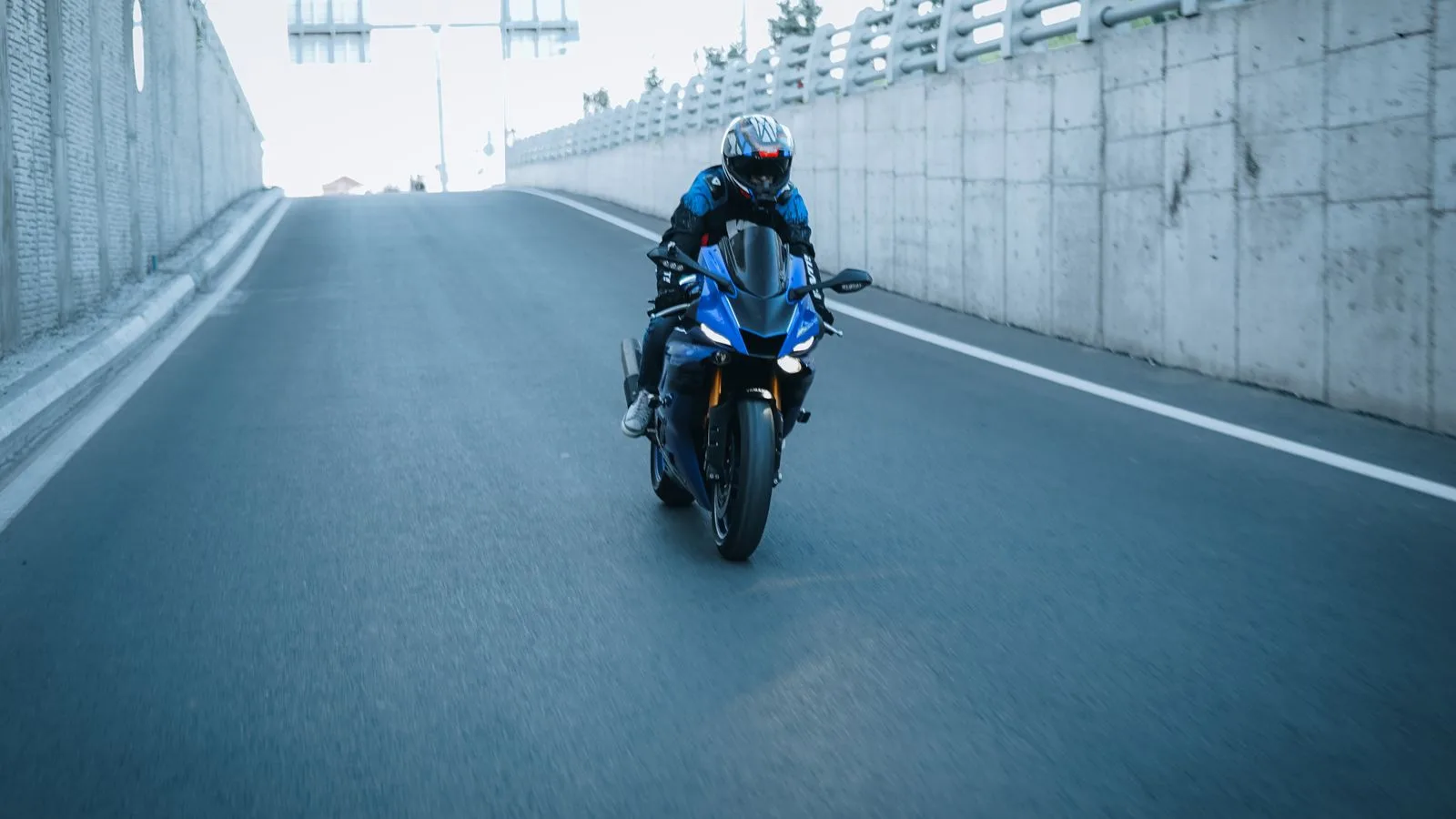
Spring · Motorcycle Accident
Spring Motorcycle Accident Lawyer
A motorcycle accident claim in Spring arises when a motor vehicle fails to yield to or collides with a rider on a road like FM-2920, Louetta, or the I-45 ramps, inflicting injuries that would not have occurred with the surrounding protection of an enclosed vehicle. Texas is a fault-based state, and the rider's recovery depends on proving the other driver's negligence while defending against attempts to assign comparative fault to the rider under Chapter 33. The two-year filing deadline under § 16.003 applies. Under Tex. Transp. Code § 661.003, riders 21 and older may ride without a helmet if they carry qualifying medical coverage or completed an approved safety course, but helmet use is not automatically admissible to reduce damages unrelated to head injuries.
Why Spring cases are different
Riders in Spring share high-speed freeway and arterial routes with heavy commuter and fleet traffic on I-45, the Hardy Toll Road, and FM-2920, where a single missed left turn or lane change can cause catastrophic harm. Motorcycle cases here also have to overcome the bias that often greets riders from the first responding officer onward.
Left-turn and lane-change crashes on Spring's arterials
The crashes that hurt riders most around Spring are the ones where a driver simply does not see the motorcycle. Left-turn collisions at FM-2920 intersections like Kuykendahl, Stuebner Airline, and the I-45 ramps happen when an oncoming car turns across a rider's path, misjudging the bike's speed and distance. Lane-change and merge crashes cluster on the I-45 segment between Beltway 8 and the Grand Parkway, where dense commuter traffic and frequent merging create blind-spot encroachments that clip a rider with little warning. The Hardy Toll Road adds higher closing speeds to the same dynamic. Establishing that the other driver failed to yield or changed lanes unsafely is the core of the liability case, and it usually rests on the physical evidence, witness accounts, and any available video rather than the rider's own account alone.
Rider bias, severe injuries, and local road hazards
Riders carry an unfair reputation for recklessness, and that bias can color how a crash is investigated and how an insurer values the claim. Countering it means documenting the rider's lawful conduct and lane position with the same rigor used to prove the other driver's fault. The stakes are high because a motorcyclist has no crumple zone: even a moderate-speed impact on FM-2920 or an I-45 ramp can produce orthopedic fractures, spinal injuries, and head trauma. As with the broader north Houston ER network, fast triage at HCA Houston Healthcare Northwest, Memorial Hermann Northeast, or Houston Methodist Willowbrook can under-document disc injuries and concussions on the first visit, with the full picture surfacing at orthopedic and neurology follow-up. The most serious cases transfer to Memorial Hermann-TMC, sometimes by Life Flight from I-45 or the Hardy.


Frequently asked
Spring motorcycle accident questions
- No. A driver's failure to see a motorcycle is not a defense; drivers have a duty to look for and yield to riders. Failure-to-yield left turns and unsafe lane changes are leading causes of rider injuries on Spring's arterials and the I-45 corridor. We use physical evidence, witness statements, and any video to show the driver's negligence rather than relying on the at-fault driver's version.
- Insurers often lean on rider bias to discount a claim, suggesting the motorcyclist was speeding or weaving. Texas applies Chapter 33 proportionate responsibility, so they will try to push fault onto you to cut what they owe. We document your lawful lane position and the other driver's conduct in detail to keep that narrative from sticking and protect your recovery.
- Get follow-up care promptly. Fast suburban ER triage in the north Houston network routinely under-documents disc injuries, ligament tears, and concussions, with the true injury appearing at orthopedic or neurology follow-up a week or two later. Those later records become the backbone of the case. Keep every appointment and tell each provider about all your symptoms so the chronology is complete.
- Under Tex. Transp. Code § 661.003, riders 21 and older may legally ride without a helmet if they meet the insurance or safety-course requirement. Even if you were helmetless, helmet status is not automatically admissible to reduce damages unrelated to a head injury; its relevance to head-injury claims still requires specific causation proof. Whether you wore a helmet will not bar your recovery outright, but it can become a contested issue in the comparative-fault analysis.
- Most Spring riders are initially taken to HCA Houston Healthcare Northwest on FM-1960, Memorial Hermann Northeast in Humble, or Houston Methodist Willowbrook on SH-249. Severe polytrauma cases — spinal injuries, serious TBIs — transfer south to Memorial Hermann-TMC, sometimes by Life Flight from the scene on I-45 or the Hardy. Prompt follow-up imaging at an orthopedic or neurology specialist is important because initial ER visits often miss disc injuries and concussions.
- Two years from the date of the crash under Tex. Civ. Prac. & Rem. Code § 16.003. If the crash involved a governmental defendant — for example, a Spring ISD or Harris County vehicle — the Texas Tort Claims Act requires pre-suit notice on a much shorter clock, sometimes six months. Contact an attorney promptly so both the Tort Claims Act notice deadline and the limitations period are protected.
Where we work from
Downtown Austin. Spring clients welcome.
Our office is in downtown Austin; we represent Spring-area clients statewide and travel to Spring for case-specific needs (scene visits, medical-records consultations, court appearances). Home and hospital visits when injuries make travel difficult.
Talk to a Spring motorcycle accident lawyer.
Free case review, no obligation. We'll tell you straight whether we can help.