
Sugar Land · Slip & Fall
Sugar Land Slip & Fall Lawyer
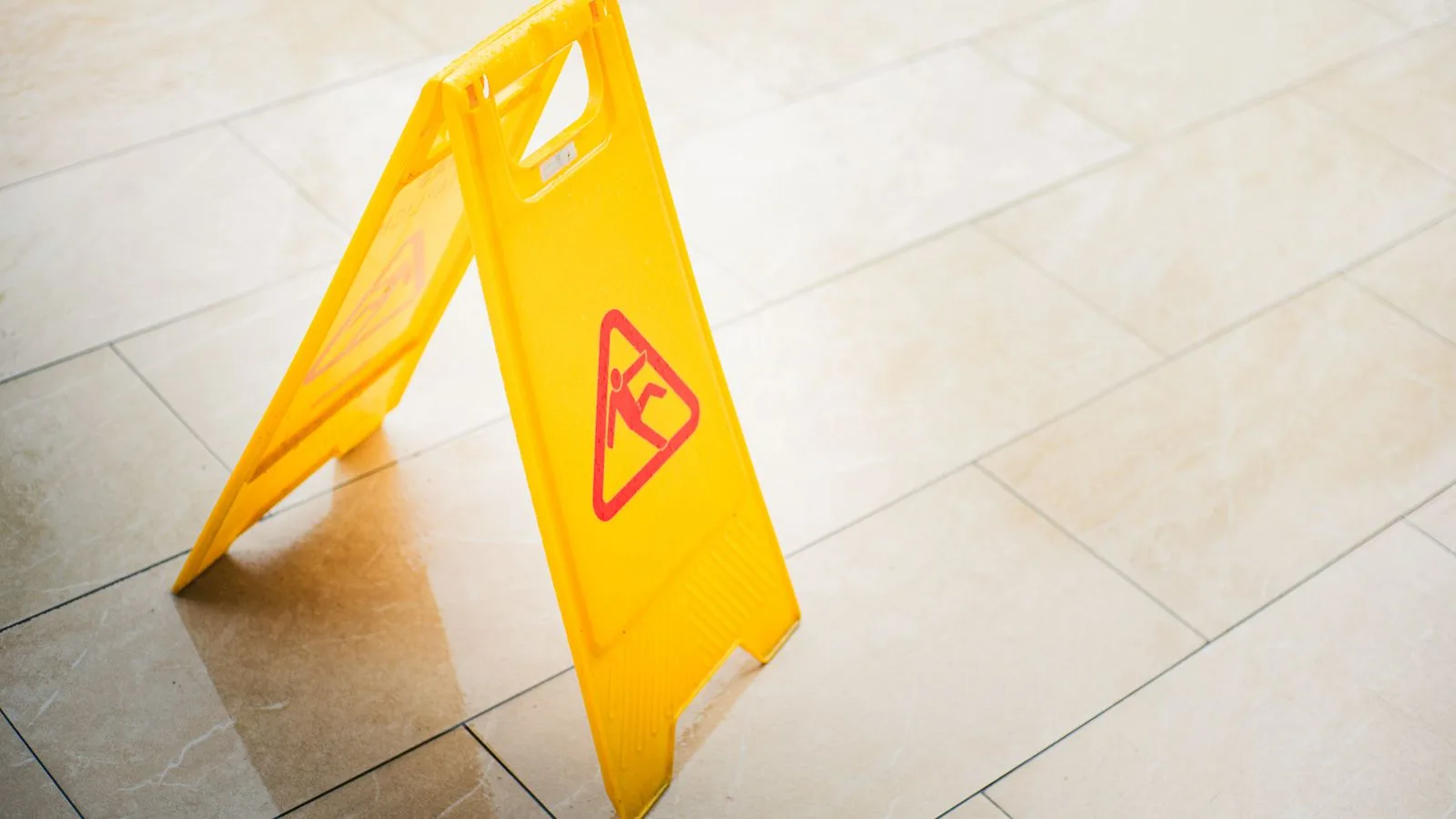
A slip-and-fall or premises liability claim in Sugar Land is a personal injury case arising from a hazardous condition on someone else's property — a spill left unaddressed, a broken stairwell, a parking-deck defect — where the property owner's knowledge of the danger and failure to correct or warn is the central legal question. Texas law requires an invitee (a customer or invited guest) to prove the owner created the condition, had actual knowledge of it, or should have known about it through reasonable inspection under standards affirmed in cases like Wal-Mart v. Reece. Sugar Land's retail density — Town Square shops, grocery stores, and event venues around Smart Financial Centre and Constellation Field — generates the kind of high-foot-traffic conditions where surveillance logs and cleaning records are often the only way to establish how long a hazard existed before someone fell. Cases are filed in Fort Bend County district court in Richmond, and the two-year deadline under § 16.003 applies, with shorter governmental-notice deadlines if a city or county property is involved.
Why Sugar Land cases are different
Sugar Land Town Square, the master-planned retail centers, and the event traffic around Smart Financial Centre and Constellation Field draw heavy foot traffic into stores, restaurants, and parking decks. When a hazard there causes a fall, Texas premises liability turns on what the property owner knew and when.
Notice: the question that decides a Texas premises case
A property owner is not automatically liable every time someone falls. Under Texas premises liability law, an invited customer must usually show the owner either created the dangerous condition, knew about it, or should have known about it because it existed long enough that reasonable inspection would have caught it. That notice element is where slip-and-fall claims at Sugar Land Town Square shops, grocery stores, and restaurants are won or lost. A spill that a store created or that sat in an aisle for an hour is very different, legally, from one dropped seconds before the fall. We pursue the evidence that establishes timing — surveillance video, inspection and cleaning logs, employee statements, and incident reports — before the business cycles its footage. On these properties cameras overwrite quickly, so moving fast on preservation is what makes the notice case provable.
Owner duty, event venues, and where the case is filed
The duty a property owner owes depends on why the visitor was there; a paying customer or invited guest is owed the highest duty, including reasonable inspection for hidden dangers. Around Sugar Land's event venues — Smart Financial Centre concert nights and Constellation Field game days — large crowds, parking-deck stairwells, and temporary setups raise the stakes, and responsibility may be split among the venue, a property manager, and a security or maintenance contractor. We identify every entity that controlled the area where the fall happened, because the right defendant carries the right insurance. A Sugar Land premises case is venued in Fort Bend County district court at the courthouse in Richmond, though a property owner or management company headquartered elsewhere can open additional venue options that affect the trial calendar and settlement posture.
More in Sugar Land
Other ways we help Sugar Land injury victims.





Frequently asked
Sugar Land slip & fall questions
- No. Texas premises law requires showing the owner created the hazard, knew about it, or should have known because it existed long enough to be discovered through reasonable inspection. Proving that notice element is the core of the case, which is why surveillance footage and cleaning logs matter so much and why preserving them quickly is essential.
- Generally two years from the date of the fall under Texas law. If the property belongs to a governmental entity such as the City of Sugar Land or Fort Bend County, much shorter pre-suit notice deadlines apply under the Texas Tort Claims Act, sometimes ninety days or less. Consult counsel early so no deadline is missed.
- Report the fall to the business and ask for an incident report, photograph the hazard and your injuries, and note the time and any witnesses. The most decisive evidence is store surveillance video and inspection logs, which the business controls and routinely overwrites. A preservation letter from counsel sent early keeps that footage from disappearing.
- Responsibility in a venue parking-deck or common-area fall can be split among the venue operator, a property management company, and a janitorial or maintenance contractor, depending on which entity controlled the area where the hazard existed. We identify every potentially liable party at the outset because each may carry separate insurance, and the right defendant holds the right policy.
- Constructive notice means the hazard existed long enough that a reasonable inspection would have found it and the owner should have known about it, even if no employee actually saw it. Proving it usually requires showing how long the condition was present — often through surveillance video, cleaning logs, or witness accounts — rather than proving a specific employee observed the danger and did nothing.
- Yes, if your share of fault is 50 percent or less under Texas Chapter 33 proportionate responsibility. A property owner often argues a visitor should have seen and avoided an open hazard, but the 'open and obvious' doctrine has been significantly narrowed by Texas courts and does not automatically eliminate the owner's duty when a customer is distracted by the ordinary conditions of a busy retail environment.
Where we work from
Downtown Austin. Sugar Land clients welcome.
Our office is in downtown Austin; we represent Sugar Land-area clients statewide and travel to Sugar Land for case-specific needs (scene visits, medical-records consultations, court appearances). Home and hospital visits when injuries make travel difficult.
Talk to a Sugar Land slip & fall lawyer.
Free case review, no obligation. We'll tell you straight whether we can help.