
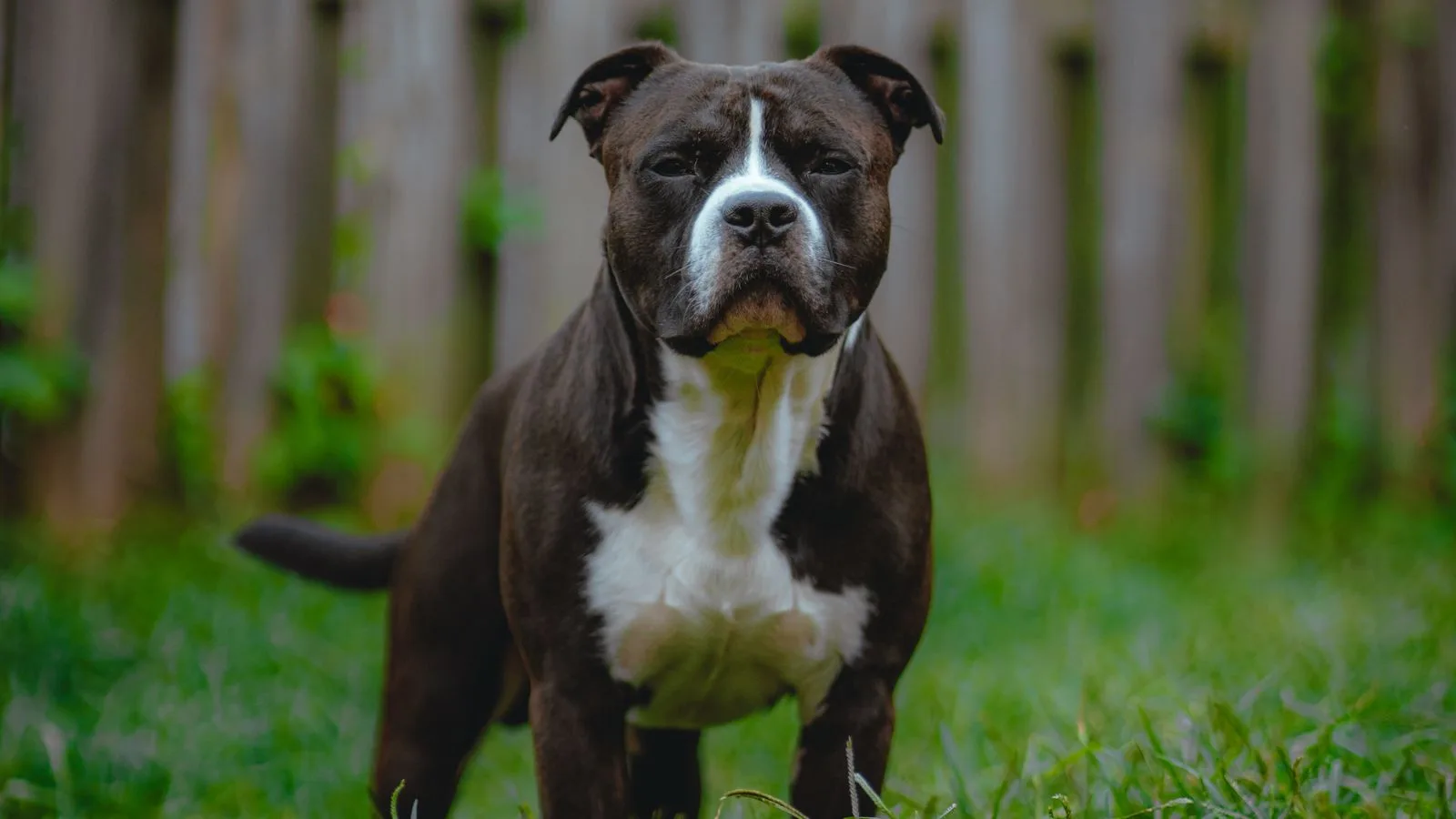
Beaumont · Dog Bite
Beaumont Dog Bite Lawyer
Dog bite and animal attack cases in Beaumont rest on two overlapping theories: strict liability under Marshall v. Ranne when the owner knew or had reason to know the animal had dangerous tendencies, and ordinary negligence when the owner violated a local leash requirement or failed to restrain a dog whose behavior had put them on notice. Jefferson County's animal-control records and any prior complaints about the specific dog are central evidence because they establish what the owner knew before the attack. Cases arising from a bite in a Beaumont residential neighborhood, apartment complex, or park are filed in Jefferson County district court; the two-year statute under Tex. Civ. Prac. & Rem. Code § 16.003 applies, and the clock runs from the date of the attack.
Why Beaumont cases are different
Dog-bite injuries in the Beaumont area often turn on what the owner knew about the animal and on whether a homeowner or renter policy will respond. Texas does not have a pure strict-liability rule, so these claims rest on owner knowledge and ordinary negligence.
Owner liability under Texas law
Texas follows a modified 'one-bite' approach layered with ordinary negligence. An owner can be liable if they knew or had reason to know the dog had dangerous tendencies — a prior bite, aggressive lunging, or similar conduct — and failed to prevent the attack. Even without that prior knowledge, an owner can be liable for negligence: violating a local leash or restraint requirement, letting a dog roam, or failing to secure an animal that then injures someone. Proving the case means gathering the dog's history, prior complaints, animal-control records, and witness accounts of how the animal behaved before the incident. In a comparative-fault state, the owner may argue the victim provoked the dog or trespassed, so documenting the circumstances — where the victim was lawfully present and what triggered the attack — shapes the outcome.
Severe injuries and homeowner coverage
Dog attacks frequently cause disproportionately severe harm: deep puncture wounds, crush injuries, nerve damage, and facial injuries that often require plastic-surgery repair, with children especially vulnerable to face and head bites. The most serious wounds in the Beaumont area route through Christus St. Elizabeth or Baptist Hospitals of Southeast Texas, and the record of the initial repair and any later reconstructive care drives the value of the claim. On the coverage side, the practical source of recovery is usually the dog owner's homeowner or renter insurance, which commonly includes liability coverage for animal injuries, though some policies exclude particular breeds or prior-bite histories. We identify the responsible household, locate the applicable policy, and document the injuries and the scarring fully, because facial and permanent injuries carry value that an early offer rarely reflects.
More in Beaumont
Other ways we help Beaumont injury victims.




Frequently asked
Beaumont dog bite questions
- No. Texas uses a 'one-bite' rule combined with ordinary negligence. An owner can be liable if they knew the dog had dangerous tendencies, or if their carelessness, such as violating a leash requirement or letting the dog roam, led to the attack. Because there is no automatic strict liability, evidence of the dog's prior behavior and the owner's conduct is central to the claim.
- Recovery most often comes from the dog owner's homeowner or renter insurance, which typically covers liability for injuries caused by a pet. Some policies exclude certain breeds or animals with a bite history. Identifying the right household and the applicable policy early is important, especially when severe or facial injuries require costly reconstructive treatment.
- Facial bites, common with children, often require plastic-surgery repair and can leave permanent scarring, which carries significant value beyond the initial medical bills. The initial repair at a Beaumont-area hospital and any later reconstructive care should be fully documented. Claims involving a minor also have special procedural protections, and a quick low offer rarely reflects the long-term impact of a facial injury.
- Possibly. Texas courts have found apartment complex liability when management had actual knowledge of a tenant dog's dangerous propensities and the legal ability, through lease enforcement or eviction, to remove the threat. Prior written complaints from residents to management are the most direct evidence of that knowledge. We request those records early because management often denies knowledge until their own files are produced.
- Yes, and doing so creates an official record that can support the legal claim. Under the Texas Health and Safety Code, dog bites may trigger mandatory quarantine or reporting obligations, and an animal-control investigation can document the dog's history and the owner's prior notice. That official record becomes evidence in a civil claim. We advise clients to report bites to Jefferson County or City of Beaumont animal control as soon as possible.
- Yes. A prior bite on record makes the strict-liability path under Marshall v. Ranne stronger, but it is not required. An owner can still be liable under a negligence theory if they failed to use reasonable care in controlling an animal, for example, by using a worn leash on a large, aggressive dog or letting a dog roam loose in a shared space. The owner's knowledge of the dog's general disposition and behavior is what matters, not whether there is a formal bite report on file.
Where we work from
Downtown Austin. Beaumont clients welcome.
Our office is in downtown Austin; we represent Beaumont-area clients statewide and travel to Beaumont for case-specific needs (scene visits, medical-records consultations, court appearances). Home and hospital visits when injuries make travel difficult.
Talk to a Beaumont dog bite lawyer.
Free case review, no obligation. We'll tell you straight whether we can help.