
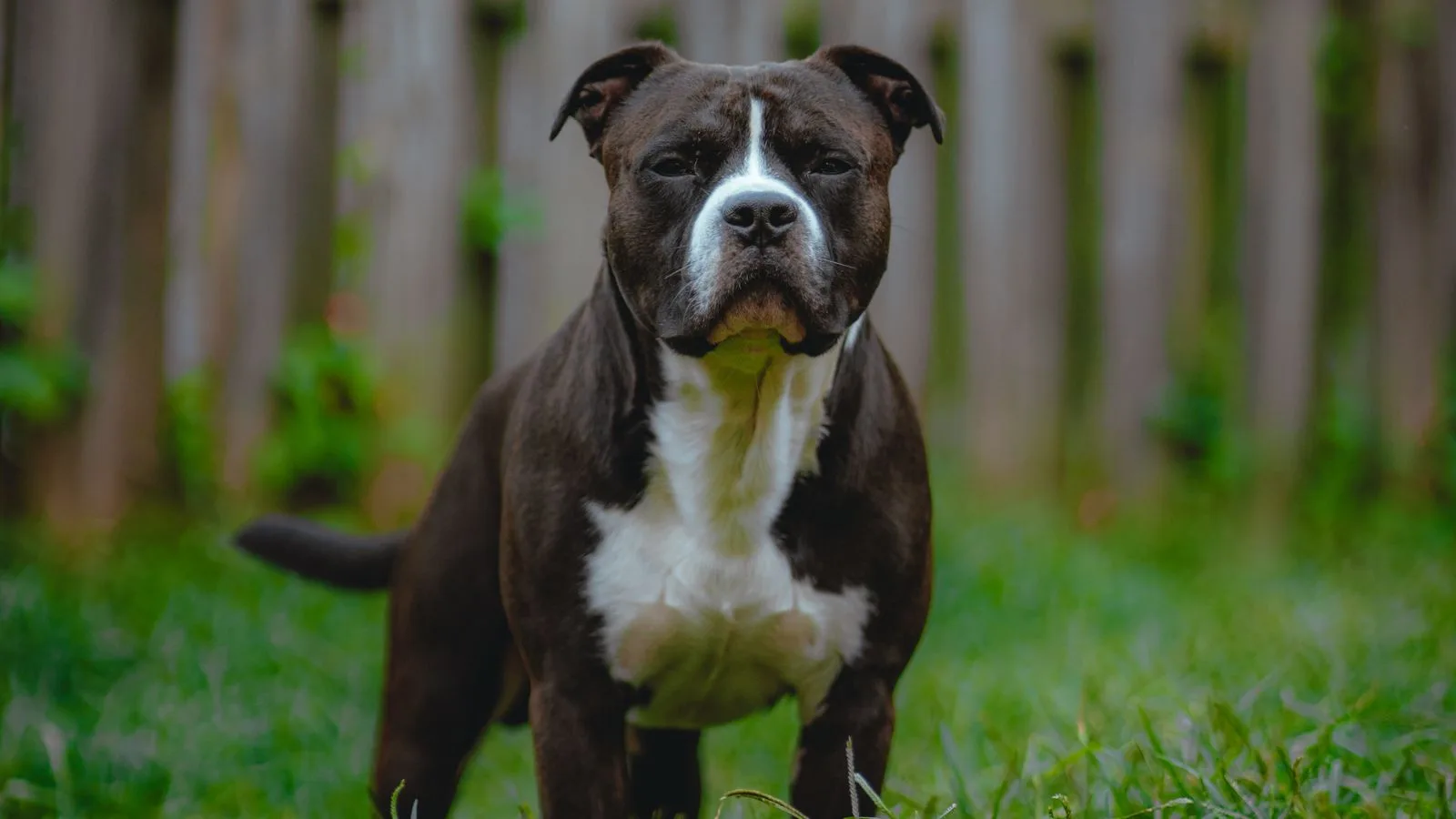
Buda · Dog Bite
Buda Dog Bite Lawyer
A dog-bite claim in Buda is an animal-attack case governed by Texas common law, which runs on two liability tracks. Under the Marshall v. Ranne strict-liability framework, an owner is liable when they knew or should have known of the animal's dangerous propensities, typically shown by prior biting, lunging, or aggressive behavior reported to animal control or witnessed by neighbors. Alternatively, negligence liability attaches when an owner fails to restrain a dog in violation of a leash rule or leaves a gate unsecured, regardless of bite history. Most Buda dog-bite intake comes from residential neighborhoods off FM-1626 or the newer subdivisions spreading west of I-35, and recovery typically flows from the owner's homeowner or renter's insurance policy. The two-year deadline under Tex. Civ. Prac. & Rem. Code § 16.003 governs, tolled for minor victims until age 18.
Why Buda cases are different
In Buda's mix of established residential streets off FM-1626 and the newer suburban developments spreading west and south, most dog-bite intake involves a neighbor's or acquaintance's animal, which puts Texas owner-liability rules and the owner's homeowner coverage at the center of the case.
Texas owner liability and the one-bite plus negligence framework
Texas does not have a single strict-liability dog-bite statute; liability runs on two tracks. The first is the long-standing one-bite rule: an owner is liable when they knew or should have known the animal had dangerous propensities, shown by a prior bite, aggressive lunging, or similar history. The second is ordinary negligence: an owner who fails to restrain or control a dog, ignores a leash requirement, or lets an animal roam can be liable even without a bite history, because they breached the duty of reasonable care. In residential Buda, the recurring facts are an unsecured yard, a gate left open, or a dog loose on a neighborhood street off FM-1626. We gather the animal's history through prior complaints and any local animal-control records, plus witness accounts of the dog's known behavior, because proving the owner's knowledge or carelessness is what establishes liability under either track.
Severe and facial injuries, child victims, and homeowner coverage
Dog attacks cause disproportionately severe wounds, especially facial and scarring injuries, and children are bitten at higher rates and at head and face height, which raises the stakes on both the medical and the long-term-disfigurement side. The good news on the recovery side is that compensation usually comes from the owner's homeowner or renter's insurance rather than their personal assets, and most policies include liability coverage for an animal the owner keeps. We identify the applicable policy early and document the injuries thoroughly, including the scarring projection and any reconstructive or psychological treatment, because the lasting effect of a facial wound on a child is a central element of value. A Buda case files in Hays County district court in San Marcos, and the two-year deadline under Tex. Civ. Prac. & Rem. Code section 16.003 applies.





Frequently asked
Buda dog bite questions
- Not exactly. Texas recognizes owner liability when the owner knew or should have known the dog was dangerous, often shown by prior behavior, but that is not the only path. An owner who negligently fails to restrain or control the animal, such as leaving a gate open or violating a leash rule, can be liable even with no bite history. In residential Buda, those failure-to-restrain facts are common and frequently establish liability on their own.
- Usually the dog owner's homeowner or renter's insurance, which typically includes liability coverage for the owner's animal, rather than the owner's personal savings. We identify the applicable policy early. Because most Buda bites involve a neighbor or acquaintance, people are often reluctant to pursue a claim, but recovery generally comes from insurance, not out of the owner's pocket, and that coverage exists to handle exactly this situation.
- Children are bitten more often and tend to be injured at head and face height, so facial wounds, scarring, and the resulting psychological impact are common and significant. These cases require careful documentation of the disfigurement, any reconstructive surgery, and the long-term effect, because permanent scarring on a child is a major element of value. A claim on behalf of a minor also has its own procedural protections under Texas law.
- Prior behavior is the primary evidence: complaints filed with local animal control, neighbor witness accounts of the dog lunging or charging, any prior bite documented in medical or animal-control records, or fence-escaping incidents known to the owner. In residential Buda neighborhoods, these records often exist but require a formal request to obtain. Prior incidents do not need to be a bite; threatening behavior or prior attacks on other animals can also establish known dangerous propensities.
- Potentially. Under Texas law, a landlord can be liable when they had actual knowledge of a tenant's dangerous dog, had the legal ability to require the tenant to remove it or comply with pet rules, and failed to act. If an apartment complex in Buda received prior complaints about a specific dog and did nothing, that inaction can support a separate liability claim against the property management, which may carry commercial general liability coverage beyond the tenant's renter's policy.
- The location of the attack does not change the owner's liability. A dog owner is responsible for controlling their animal whether the attack occurs on their property, a neighbor's yard, a sidewalk off FM-1626, or a public park in Buda. If a governmental entity — for example, the City of Buda — was somehow responsible for the condition that contributed to the attack, the Texas Tort Claims Act and its six-month notice requirement would apply to that portion of the claim. The owner's homeowner or renter's insurance remains the primary recovery path.
Where we work from
Downtown Austin. Buda clients welcome.
Our office is in downtown Austin; we represent Buda-area clients statewide and travel to Buda for case-specific needs (scene visits, medical-records consultations, court appearances). Home and hospital visits when injuries make travel difficult.
Talk to a Buda dog bite lawyer.
Free case review, no obligation. We'll tell you straight whether we can help.