
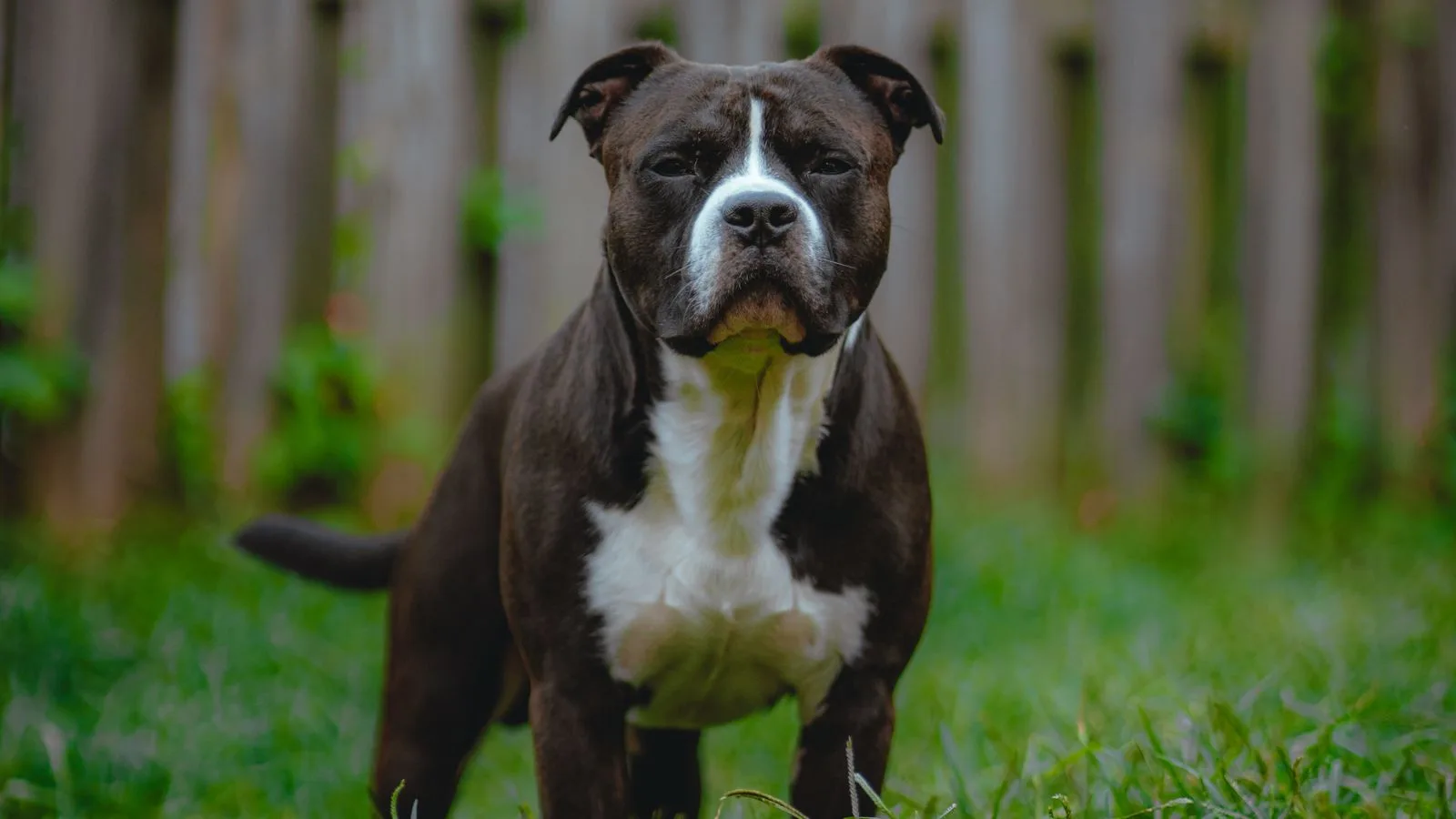
Hutto · Dog Bite
Hutto Dog Bite Lawyer
A dog-bite or animal-attack claim in Hutto is a Texas civil case built on either the common-law knowledge-of-dangerousness rule (under Marshall v. Ranne, an owner who knew or had reason to know a dog was dangerous is strictly liable) or ordinary negligence for failing to restrain a known-aggressive animal. Hutto's mix of older ranch-edge properties along the county roads and newer high-density subdivisions creates distinct fact patterns for each setting. The two-year limitations period under Tex. Civ. Prac. & Rem. Code § 16.003 applies, and for child victims it is tolled until the child turns 18. These cases are entirely distinct from vehicle crashes or premises falls; the animal's history and the owner's prior knowledge drive the liability analysis.
Why Hutto cases are different
A Hutto dog-bite case runs on Texas owner-liability and negligence rather than a strict-liability statute, and the city's transition from ranching to dense new subdivisions puts more dogs and more people in close contact, from neighborhood walks to the event-weekend crowds around the downtown square.
Texas owner liability and the one-bite framework
Texas has no broad dog-bite statute, so a Hutto claim rests on two related theories. The first is the common-law one-bite rule: an owner is liable if they knew or should have known the dog had dangerous propensities, shown by a prior bite, aggressive lunging, or warnings the owner ignored. The second is ordinary negligence, where the owner failed to use reasonable care to control the animal, for example by leaving a gate open, walking the dog off-leash where leash rules apply, or failing to restrain a dog known to be aggressive. Hutto's mix matters here: the rural ranch-edge properties on the surrounding county roads raise different control questions, such as livestock-guardian and loose-dog patterns, than the fenced-yard and leashed-walk setting of the new subdivisions. Building the file means documenting the dog's history through animal-control records, prior-incident reports, neighbor accounts, and veterinary or licensing records, because the owner's knowledge is the element the defense fights hardest.
Severe and facial injuries and homeowner coverage
Dog bites cause injuries that are disproportionately severe relative to the size of the animal, especially the facial wounds, puncture injuries, nerve damage, and scarring children suffer because their faces are at a dog's level. These cases frequently require wound care, plastic-surgery and scar-revision evaluation, and treatment for the psychological aftermath, and the future-care component, particularly revision surgery for a growing child, often drives the real value of the claim. Because Hutto has no full-service hospital, a serious bite is treated at Ascension Seton Williamson in Round Rock, Baylor Scott and White in Taylor, or Dell Seton in Austin for major facial trauma. The financial recovery usually comes through the dog owner's homeowner or renter insurance, which commonly includes liability coverage for bites, so an early step in any Hutto dog-bite file is identifying the responsible household and its policy rather than pursuing the owner personally.




Frequently asked
Hutto dog bite questions
- Effectively, yes. Texas has no broad dog-bite statute, so liability usually rests on the owner knowing or having reason to know the dog was dangerous, often shown by a prior bite or aggressive behavior, or on ordinary negligence such as letting a known-aggressive dog loose. Documenting the dog's history through animal-control and prior-incident records is central to proving the owner's knowledge.
- Most recovery comes through the dog owner's homeowner or renter insurance, which typically includes liability coverage for bites, rather than from the owner's personal assets. Identifying the responsible household and its policy is an early step in the case. For a serious bite, the medical and future-care costs, including scar-revision surgery for a child, are what the claim is built around.
- Facial bites on children often require wound care, plastic-surgery evaluation, scar-revision procedures as the child grows, and treatment for the emotional aftermath. The future-care projection, not just the initial ER visit, usually drives the real value. Serious facial trauma may be treated at Dell Seton in Austin. Documenting the long-term surgical and psychological needs early keeps the claim from being undervalued.
- A prior bite is evidence of dangerous propensities, but it is not required. Aggressive behaviors like lunging, escaping enclosures, and threatening posture that the owner observed and ignored can establish the owner's knowledge under Texas law. Neighbor accounts, animal-control visit records, and any prior complaints establish that history even without a documented prior bite.
- An apartment landlord or complex management company can be liable if they had actual knowledge of the dog's dangerous propensities and the legal ability to require the tenant to remove the animal or be evicted, but failed to act. The Texas case of Tellez v. Saban addresses this landlord-liability theory. The complex's commercial general liability policy, not just the tenant's renter insurance, may be a coverage source.
- The general two-year limitations period under Tex. Civ. Prac. & Rem. Code § 16.003 is tolled for a minor victim until the child turns 18, so the child technically has until their twentieth birthday to file. In practice, filing earlier is always advisable because animal-control records, veterinary records, and witness memories are available now and harder to recover years later.
Where we work from
Downtown Austin. Hutto clients welcome.
Our office is in downtown Austin; we represent Hutto-area clients statewide and travel to Hutto for case-specific needs (scene visits, medical-records consultations, court appearances). Home and hospital visits when injuries make travel difficult.
Talk to a Hutto dog bite lawyer.
Free case review, no obligation. We'll tell you straight whether we can help.