
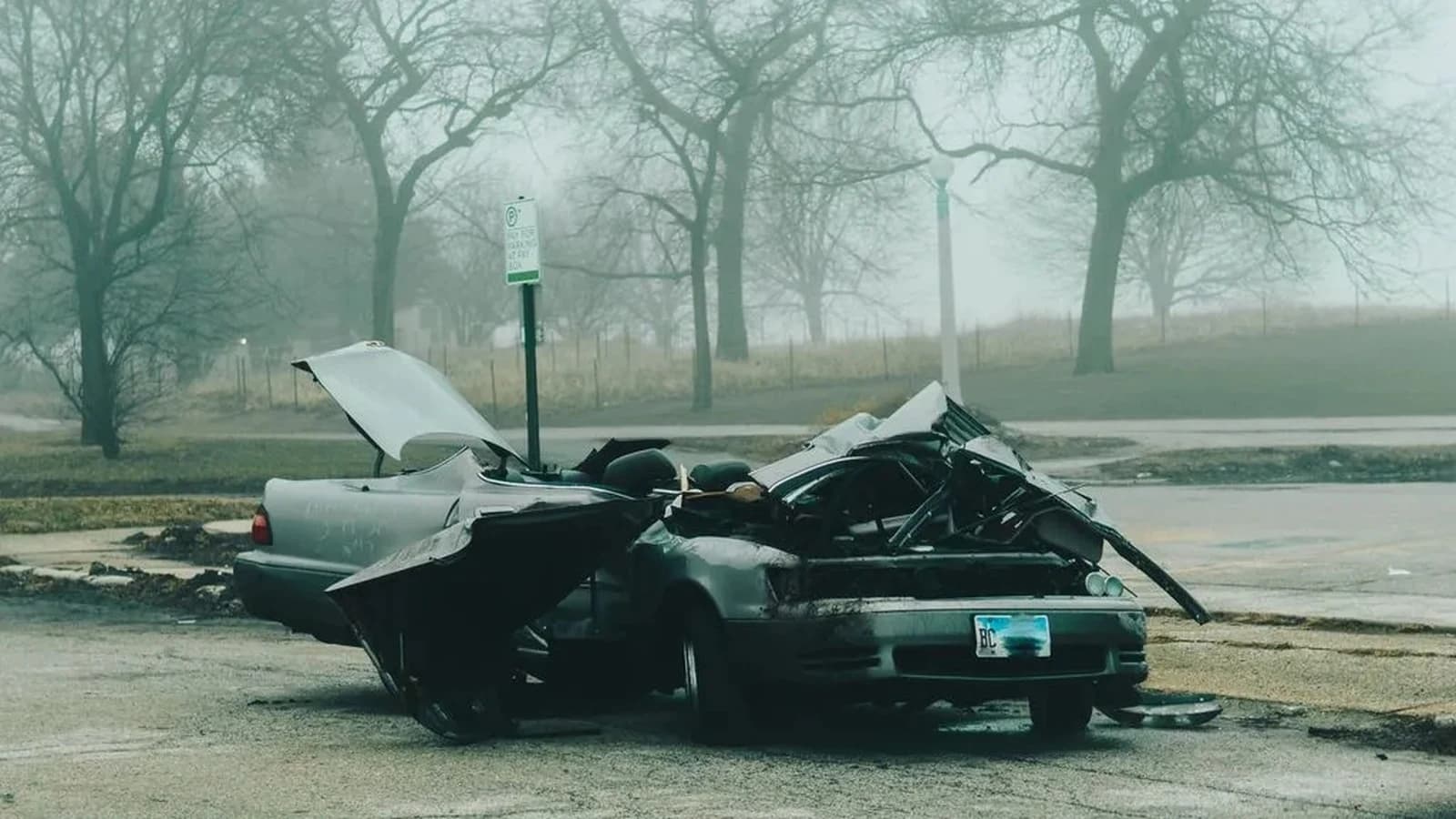
Odessa · Car Accident
Odessa Car Accident Lawyer
A car accident claim in Odessa is a personal injury case arising from a passenger-vehicle collision on roads such as SH-191, Loop 338, or Andrews Highway, governed by Texas modified comparative fault under Chapter 33 of the Civil Practice and Remedies Code. If the injured driver is found 51% or more at fault, recovery is barred; below that threshold, the award is reduced proportionately. Ector County district court handles claims above the justice-court threshold, and the two-year limitations period under Tex. Civ. Prac. & Rem. Code § 16.003 runs from the crash date. When the at-fault driver is uninsured or underinsured, a common reality in the transient oilfield labor pool, the injured person's own UM/UIM coverage becomes the primary recovery vehicle.
Why Odessa cases are different
Odessa sits at the working core of the Permian Basin, and its car wrecks happen in the shadow of relentless oilfield freight. A passenger-vehicle collision on Loop 338 or the Andrews Highway corridor still runs on ordinary Texas fault rules, but the road mix here shapes both the crash and the claim.
Proportionate responsibility under Chapter 33
Texas resolves fault through proportionate responsibility under Chapter 33 of the Civil Practice and Remedies Code, and Ector County juries apply the 51% bar: a driver found more than half at fault recovers nothing, and any recovery is reduced by the share assigned to the injured party. That makes the apportionment fight the heart of most Odessa car cases. On corridors like SH-191 between Odessa and Midland, one of the most rear-ended stretches in the basin during shift change, adjusters routinely try to push a slice of blame onto the lead driver for stopping, lane position, or speed. We build the liability record from scene evidence rather than conceding the adjuster's framing, because every percentage point shifted onto a defendant moves the recoverable number. The two-year limitations period under Section 16.003 governs the filing deadline, and we calendar it from the crash date at intake.
Uninsured and underinsured motorist coverage in basin country
A working-population city with heavy transient and oilfield traffic sees a real share of drivers carrying minimum limits or no coverage at all. When the at-fault driver cannot pay for the harm done — a common reality after a serious wreck where Loop 338 merges into University, 42nd, or the Andrews Highway — the injured person's own uninsured and underinsured motorist coverage becomes the path to recovery. UM/UIM is first-party coverage you paid premiums for, but the insurer becomes the adversary the moment you claim it, and Texas requires a specific posture to unlock UIM benefits. We review every available policy in the household, stack coverage where the policy language allows, and treat the UIM carrier the way we would any opposing insurer rather than assuming it will pay fairly because it is your own company.
More in Odessa
Other ways we help Odessa injury victims.



Frequently asked
Odessa car accident questions
- Under Chapter 33, your recovery drops by your share of fault, and if you are found more than 50% responsible you recover nothing. So if an Odessa jury assigns you 20% of the blame, a $100,000 figure becomes $80,000. Because that math is so consequential, the percentage fight is where much of the real work happens, and we contest the adjuster's attempt to load fault onto you.
- Not necessarily. Your own uninsured/underinsured motorist coverage exists exactly for this, and Texas auto policies include it unless you rejected it in writing. We identify every household policy that might apply and pursue the UM/UIM claim. It is first-party coverage, but the insurer still defends it, so it benefits from the same evidence and posture as any liability claim.
- Texas gives you two years from the crash date under Civil Practice and Remedies Code Section 16.003, and Ector County district court applies that deadline strictly. Waiting is costly for reasons beyond the calendar: skid evidence fades, vehicles get repaired or scrapped, and witness memories degrade. We open the evidence-preservation work long before the filing deadline approaches.
- A crash on Loop 338 within Ector County is filed in Ector County district court, typically one of the civil district courts that hear personal injury matters, with the specific court assigned by random docket draw. Venue under Tex. Civ. Prac. & Rem. Code § 15.002 is proper where a substantial part of the events occurred, and a Loop 338 collision points squarely at Ector County.
- Yes. Cervical and lumbar disc injuries from rear-end collisions often feel like stiffness in the first 24 hours and escalate significantly in the following days as inflammation develops. Delaying evaluation is one of the most common ways a legitimate injury gets devalued by an insurer. We recommend a medical evaluation promptly after any Odessa collision, even one that felt manageable at the scene.
- Yes. Lost wages, including pay you missed during recovery and any reduction in future earning capacity, are a recognized element of Texas personal injury damages. Oilfield and energy-sector workers often have non-standard pay structures involving per diem, hitch pay, or bonus, which require actual pay records to document accurately. We build wage-loss claims from documented earnings rather than generic estimates.
Where we work from
Downtown Austin. Odessa clients welcome.
Our office is in downtown Austin; we represent Odessa-area clients statewide and travel to Odessa for case-specific needs (scene visits, medical-records consultations, court appearances). Home and hospital visits when injuries make travel difficult.
Talk to a Odessa car accident lawyer.
Free case review, no obligation. We'll tell you straight whether we can help.