
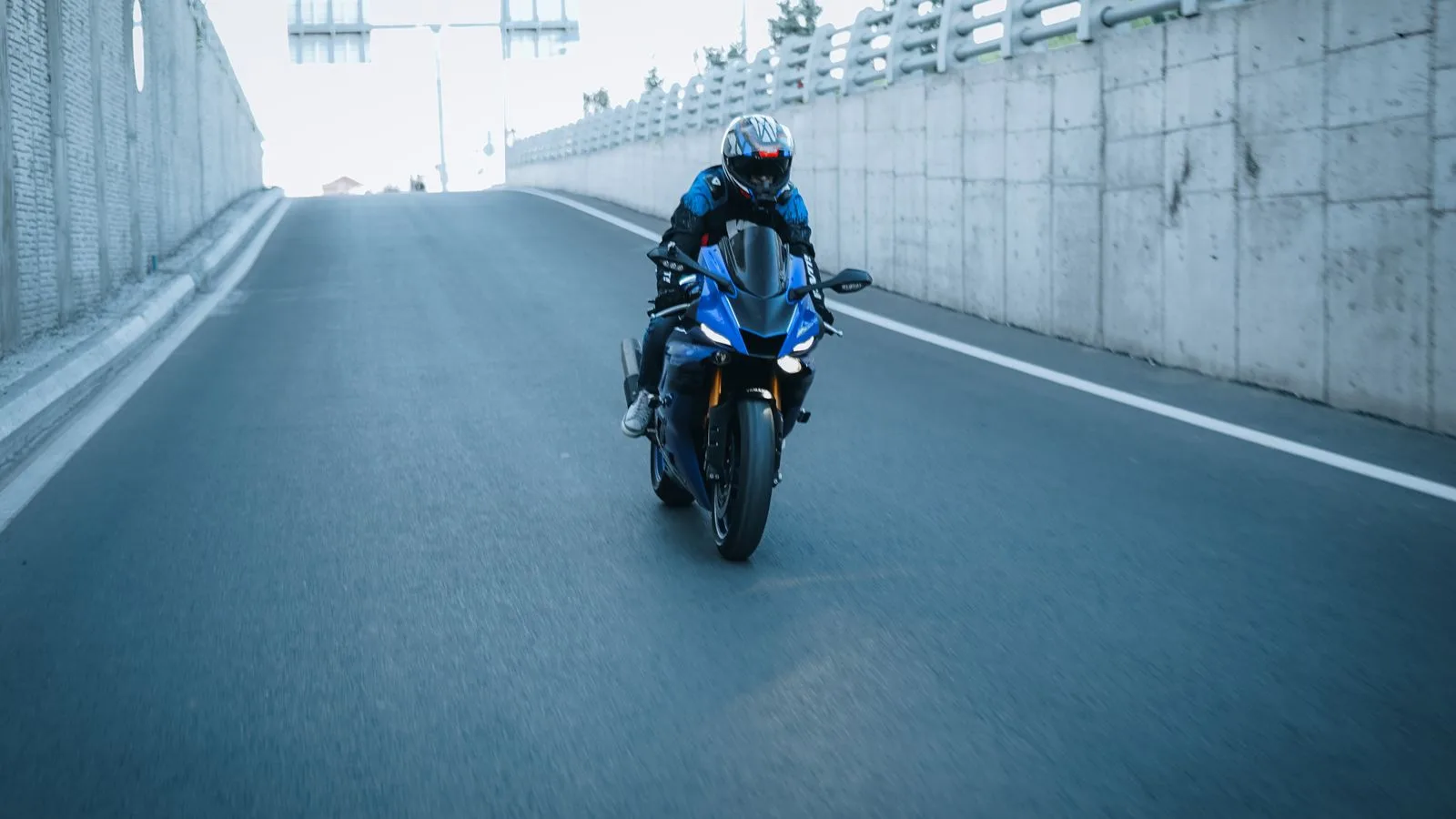
Odessa · Motorcycle Accident
Odessa Motorcycle Accident Lawyer
A motorcycle accident claim in Odessa is a fault-based personal injury case arising when a motor vehicle strikes a rider on roads such as Loop 338, Andrews Highway, or the SH-191 corridor through Ector County. Texas is not a no-fault state, so the injured rider must establish the other driver's negligence and contend with Chapter 33 modified comparative fault and the 51% bar. The two-year statute of limitations under Tex. Civ. Prac. & Rem. Code § 16.003 controls the filing deadline, and cases are heard in Ector County district court. Riders face a structural disadvantage in the fault fight — juries begin skeptical of motorcyclists — and the severity of injuries, which often require care at Medical Center Hospital and potential air transport to Lubbock, makes a full and carefully documented damages build essential.
Why Odessa cases are different
Riding in the Permian Basin means sharing I-20, Loop 338, and the Andrews Highway with a constant flow of distracted, fatigued, and oilfield-pressed traffic. When a rider is hit in Odessa, the injuries are severe and the fight against rider bias starts before the first claim is filed.
Rider bias and the real crash dynamics
The most common serious motorcycle collisions in Odessa are not single-vehicle losses of control; they are left-turn and lane-change crashes where a driver simply fails to see the rider. On the merge-heavy points where Loop 338 meets University, 42nd, and the Andrews Highway, sideswipe and merge collisions put riders directly in the path of vehicles changing lanes without looking. Insurers exploit a built-in bias that the motorcyclist must have been speeding or weaving, and they push that narrative into the fault analysis under Chapter 33. We counter it with physical evidence — gouge marks, debris fields, vehicle damage geometry, and the at-fault driver's own statements — rather than letting the adjuster's assumption stand. Texas does not require helmet use for every rider, and the absence of a helmet does not bar recovery, though it can become a contested issue we address directly.
Severe injuries and full damages
A rider has no crush structure, no airbags, and no cage, so the same impact that dents a sedan can fracture a pelvis, shatter a tibia, or cause a traumatic brain injury. Serious Odessa riders are taken first to Medical Center Hospital, the area's Level III trauma center, and the most critical are air-ambulanced to University Medical Center in Lubbock, the regional Level I. That transport chain means the medical chronology often crosses two or three facilities, and an early ER record can undercount an injury that a downstream specialist later documents fully. We build the chronology so it tells one coherent story, and we pursue the complete picture of damages, not just the initial hospital bill but future surgeries, rehabilitation, lost earning capacity, and the road-rash and orthopedic harm that motorcycle cases uniquely produce.



Frequently asked
Odessa motorcycle accident questions
- That bias is real, and the defense leans on it. Adjusters and some jurors start from the assumption that a rider was speeding or weaving. We neutralize it with hard evidence — the debris field, damage geometry, witness accounts, and the other driver's own admissions — so the fault analysis under Chapter 33 rests on what physically happened rather than on a stereotype about motorcyclists.
- Texas does not require all adult riders to wear helmets, and riding without one does not bar your recovery. A defense lawyer may still raise it to argue your injuries were worse than they had to be, particularly with a head injury. We address that argument head-on rather than letting it quietly reduce the value of your case.
- Medical Center Hospital in Odessa is the area's Level III trauma center and the first stop for serious crashes. The most critical riders are air-flighted to University Medical Center in Lubbock, the regional Level I center. Because care often spans multiple facilities, we gather records from each and connect them into a single chronology so no injury falls through the gaps between handoffs.
- In most Odessa motorcycle cases it functions as an admission of inattention, not a defense. A driver who fails to see a motorcycle that was plainly visible has failed to keep a proper lookout, which is negligence. We preserve that statement early and make it a central part of the liability record rather than allowing the defense to soften it later.
- Yes, as long as you are found 50% or less at fault. Under Chapter 33 modified comparative fault, your recovery is reduced by your assigned percentage but is not eliminated unless you cross the 51% bar. We build the physical evidence record to minimize the fault attributed to you and maximize what is placed on the driver who failed to yield.
- Your own uninsured or underinsured motorist coverage can fill the gap when the at-fault driver's policy is insufficient for a serious rider injury. Texas auto and motorcycle policies include UM/UIM coverage unless rejected in writing. We review every applicable policy in the household at intake and pursue UIM coverage with the same posture we would apply to the at-fault driver's insurer.
Where we work from
Downtown Austin. Odessa clients welcome.
Our office is in downtown Austin; we represent Odessa-area clients statewide and travel to Odessa for case-specific needs (scene visits, medical-records consultations, court appearances). Home and hospital visits when injuries make travel difficult.
Talk to a Odessa motorcycle accident lawyer.
Free case review, no obligation. We'll tell you straight whether we can help.