
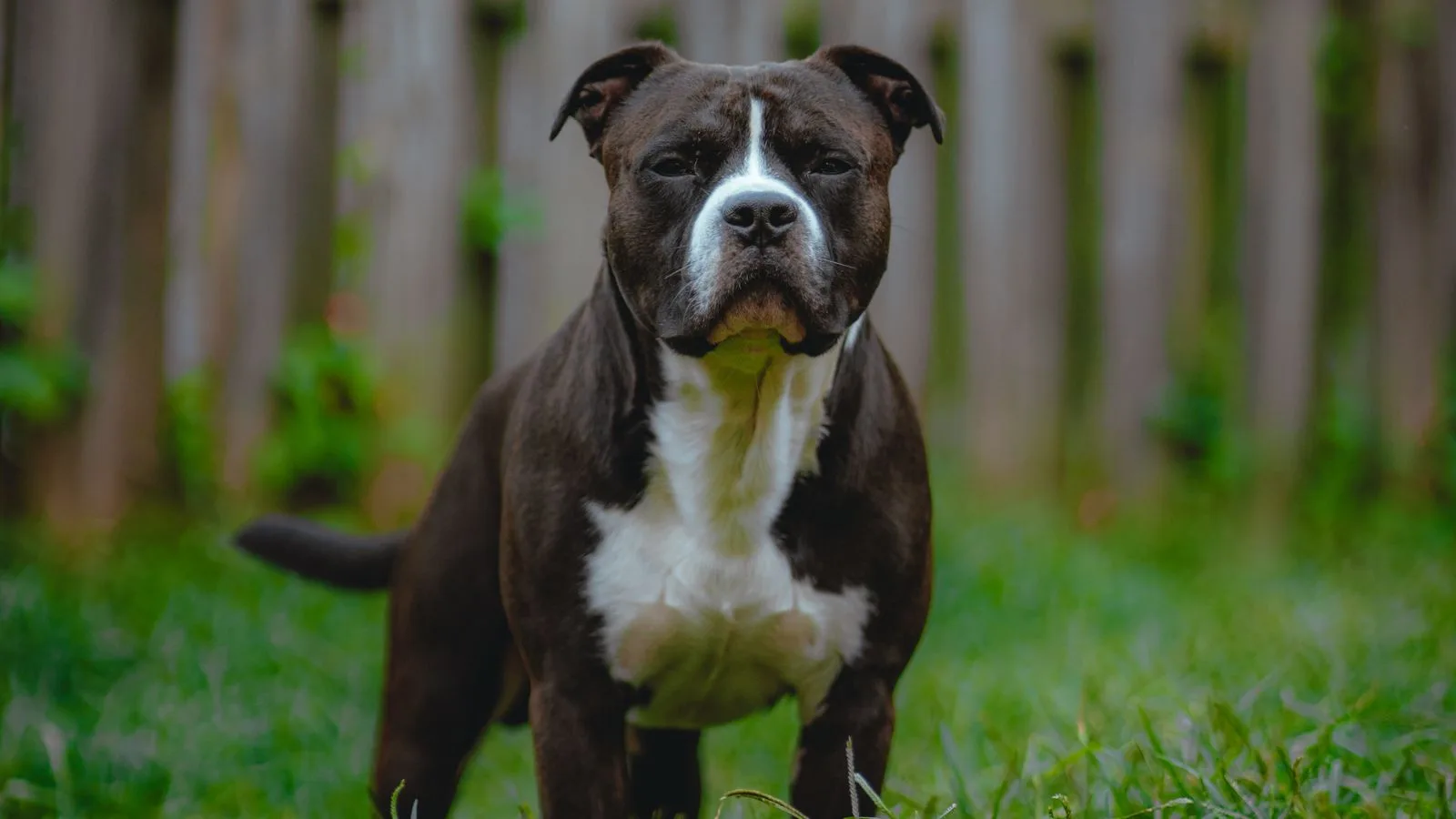
Plano · Dog Bite
Plano Dog Bite Lawyer
A dog-bite or animal-attack claim in Plano is a personal injury case governed by Texas common-law principles rather than a strict-liability statute. An owner is liable under the one-bite rule when they knew or had reason to know the dog had dangerous propensities — which does not require a prior recorded bite, only prior behavior signaling danger — and failed to control the animal. A separate negligence theory applies when an owner violates Plano's leash ordinance or otherwise fails to exercise reasonable care to restrain the dog in a residential yard, apartment-complex courtyard, or shared greenbelt. Suits are filed at the Russell A. Steindam Courts Building in McKinney under the two-year limitations period of § 16.003, though the limitations period is tolled for minor victims until age 18.
Why Plano cases are different
Plano's dense residential neighborhoods and the shared trails and greenbelts that run through them mean most dog-bite claims arise close to home, where Texas owner-liability rules and homeowner insurance coverage determine recovery, and where any contested suit faces Collin County's defense-leaning jury pools.
Texas owner liability: the one-bite rule and negligence
Texas has no strict-liability dog-bite statute. Liability runs on two tracks. Under the common-law one-bite rule, an owner is liable when they knew or should have known the dog had dangerous propensities — typically a prior bite, aggressive lunging, or similar history — and failed to control it. Separately, an owner can be liable for ordinary negligence: violating Plano's leash ordinance, leaving a gate open, or otherwise failing to use reasonable care to restrain the animal. In a Plano neighborhood or on a shared trail, that often means establishing the dog's history through City of Plano animal-control records, prior complaints, and neighbor statements, then tying the attack to a specific failure to restrain. Proving knowledge or negligence is the heart of a Texas dog-bite case, and it is what separates a recoverable claim from a defensible one.
Severe and facial injuries, child victims, and homeowner coverage
Dog attacks produce disproportionately severe wounds: deep lacerations, crush and puncture injuries, nerve damage, and facial trauma that can require plastic-surgical repair and leave permanent scarring. Children are bitten at higher rates and tend to suffer facial and head injuries because of their height relative to the dog. Medical City Plano and Texas Health Presbyterian Plano handle the initial emergency treatment, with severe facial or reconstructive cases referred onward as the injury profile requires. The recovery source is usually the owner's homeowner or renter insurance, which commonly covers dog-bite liability subject to policy limits and breed exclusions. Documenting the full course of treatment — including future reconstructive surgery and the long-term cost of scarring, especially for a child — is essential to valuing the claim accurately rather than settling at the carrier's first number.





Frequently asked
Plano dog bite questions
- Yes. You recover by showing either that the owner knew the dog had dangerous tendencies and failed to control it under the one-bite rule, or that the owner was negligent, for example by violating Plano's leash ordinance or leaving a gate open. City animal-control records, prior complaints, and witness statements establish the owner's knowledge or carelessness.
- Usually the dog owner's homeowner or renter insurance policy, which typically includes liability coverage for dog bites up to the policy limits, though some policies carry breed exclusions. The claim is against the owner, but the insurer pays. Identifying the right policy and any exclusions early shapes how the claim is built and what recovery is realistically available.
- Facial injuries to children often require plastic-surgical repair and can leave permanent scarring, which substantially raises the long-term value of the claim. Texas also applies special rules for minor plaintiffs, including how settlements are approved and how the limitations period runs. Full documentation of future reconstructive needs and scarring is essential to valuing a child's claim properly.
- No. The one-bite rule does not require a prior recorded bite; it requires that the owner knew or had reason to know the dog had dangerous propensities. A dog that has lunged aggressively at people, escaped its enclosure repeatedly, or been the subject of prior animal-control complaints in Plano can meet that standard even without a prior bite on record. City of Plano animal-control records are often the first place we look.
- Potentially yes. A Plano apartment complex or landlord can face liability if it had actual knowledge that a tenant's dog was dangerous and had the legal ability to act — by requiring removal, issuing a lease violation, or evicting the tenant — and failed to do so. That theory requires proving the complex had notice of the specific dog's dangerous propensities, which makes tenant-complaint records, maintenance notes, and any written communications about the dog essential early evidence.
- Two years from the date of the attack under Tex. Civ. Prac. & Rem. Code § 16.003. If the victim is a minor, the limitations period is tolled until the child turns 18, giving the minor their own two-year window after reaching majority. City of Plano animal-control records, which document the dog's history, should be secured as early as possible regardless of the limitations deadline because government-record retention timelines vary.
Where we work from
Downtown Austin. Plano clients welcome.
Our office is in downtown Austin; we represent Plano-area clients statewide and travel to Plano for case-specific needs (scene visits, medical-records consultations, court appearances). Home and hospital visits when injuries make travel difficult.
Talk to a Plano dog bite lawyer.
Free case review, no obligation. We'll tell you straight whether we can help.