
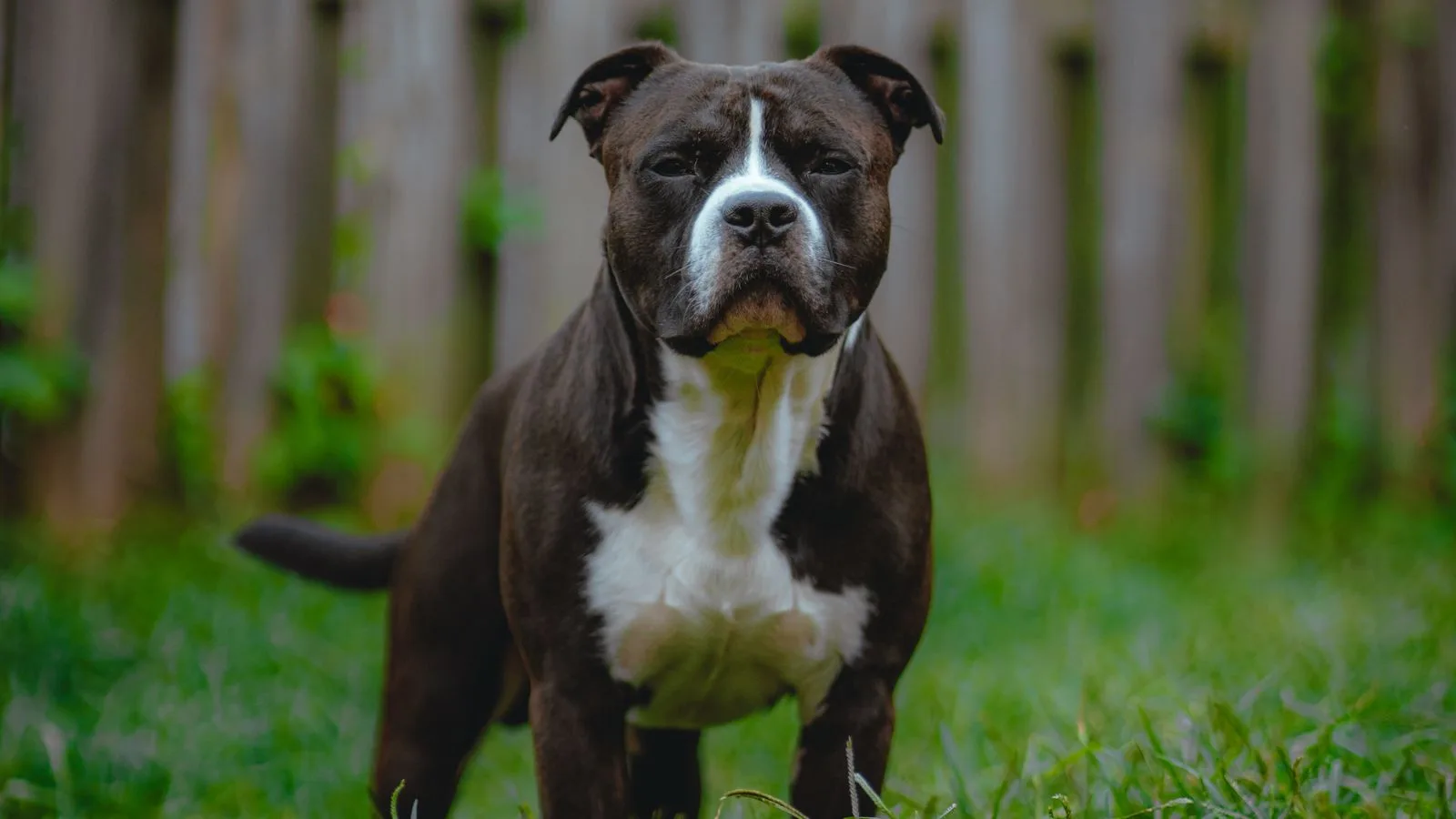
Round Rock · Dog Bite
Round Rock Dog Bite Lawyer
A dog-bite claim in Round Rock is an animal-attack case where an owner's failure to control a dog with known dangerous propensities results in injury at a residence, apartment complex, or public area within Williamson County. Texas law follows the one-bite rule under Marshall v. Ranne, imposing liability when the owner knew or had reason to know of the dog's dangerous tendencies, and also recognizes ordinary negligence for leash-ordinance violations and failure to restrain. Serious bite injuries, particularly facial wounds on children, are treated at Ascension Seton Williamson on University Boulevard or St. David's Round Rock Medical Center, and the Williamson County district courts in Georgetown would hear any suit filed after the two-year limitations period under § 16.003 begins to run.
Why Round Rock cases are different
Round Rock dog-bite claims arise where its growing residential neighborhoods and busy public draws bring people and animals together, and Texas resolves owner liability under a negligence and one-bite framework rather than the strict-liability rule some states apply.
Texas owner liability and the one-bite rule
Texas does not impose automatic strict liability on dog owners. A claim typically rests on one of two theories. Under the common-law one-bite rule, an owner is liable if they knew or should have known the dog had dangerous propensities, often shown by a prior bite, aggressive lunging, or a history neighbors can describe. The second theory is ordinary negligence, where the owner failed to use reasonable care, for example by violating a Round Rock leash requirement or letting the animal roam, and that failure caused the attack. Local animal-control records and prior-complaint history at the same address often establish the knowledge element, which is why the investigation starts with the city and county records as well as witness accounts from the neighborhood where the bite happened.
Severe and facial injuries, and where the money comes from
Dog attacks produce a distinct injury profile, deep puncture wounds, crush and tearing damage, and disproportionately facial injuries on children, often requiring surgical repair and leaving permanent scarring, with serious cases treated at Ascension Seton Williamson or St. David's Round Rock Medical Center. Scarring claims carry significant non-economic value, especially for a child, and they require careful documentation of the disfigurement and any future revision surgery. Recovery usually comes through the owner's homeowner or renter insurance, which commonly covers dog-bite liability, rather than out of the owner's pocket. We identify the applicable policy early, document the wound progression and scarring with photographs over time, and tie the treatment chronology to the attack so the claim reflects both the medical reality and the lasting cosmetic and psychological harm.
More in Round Rock
Other ways we help Round Rock injury victims.




Frequently asked
Round Rock dog bite questions
- Possibly. While the one-bite rule asks whether the owner knew of dangerous propensities, you can also recover on ordinary negligence, for example if the owner violated a leash requirement or failed to restrain the dog and that failure caused the attack. Prior aggressive behavior short of a bite, lunging or growling neighbors observed, can also show knowledge. We pull animal-control and complaint records to establish what the owner knew or should have known.
- Usually the owner's homeowner or renter insurance, which commonly covers dog-bite liability, rather than the owner directly. That is often where a meaningful recovery for medical bills, scarring, and pain is available. Some policies exclude certain breeds or prior incidents, so identifying the policy and its terms early matters. If there is no coverage, recovery against the owner personally is harder, which is part of why we assess coverage at intake.
- Facial injuries to children carry significant value because scarring is permanent, often visible, and may require revision surgery as the child grows. These claims need careful documentation of the disfigurement over time and a realistic projection of future treatment. A settlement involving a minor in Texas also typically requires court approval to protect the child's interest. We document the scarring progression with dated photographs and build the future-care picture before resolving.
- Yes, if the complex had actual knowledge of the dog's dangerous propensities and the legal ability to act, such as enforcing a no-aggressive-breed policy or requiring removal, but failed to do so. Courts apply this theory when a property manager received prior complaints about the animal and took no action. We request the complex's incident files and management communications at intake to determine whether that knowledge existed before the attack.
- Owner liability follows the owner wherever the attack occurs, not just on private property. If the attack happened in a city park and the dog was off-leash in violation of a Round Rock ordinance, that violation can support a negligence per se theory in addition to the one-bite rule. If a governmental entity is involved, for example a city animal-control officer was present and acted negligently, the Texas Tort Claims Act six-month pre-suit notice requirement applies.
- Two years from the date of the attack under Tex. Civ. Prac. & Rem. Code § 16.003. For child victims, the statute of limitations is tolled until the child turns eighteen, meaning the two-year clock does not start until that birthday. Claims against governmental entities require pre-suit notice under the Texas Tort Claims Act within six months. Regardless of the legal deadline, preserving evidence, animal-control records, witness accounts, and photographs of the injuries, should happen as soon as possible.
Where we work from
Downtown Austin. Round Rock clients welcome.
Our office is in downtown Austin; we represent Round Rock-area clients statewide and travel to Round Rock for case-specific needs (scene visits, medical-records consultations, court appearances). Home and hospital visits when injuries make travel difficult.
Talk to a Round Rock dog bite lawyer.
Free case review, no obligation. We'll tell you straight whether we can help.