
San Antonio · Truck Accident
San Antonio Truck Accident Lawyer
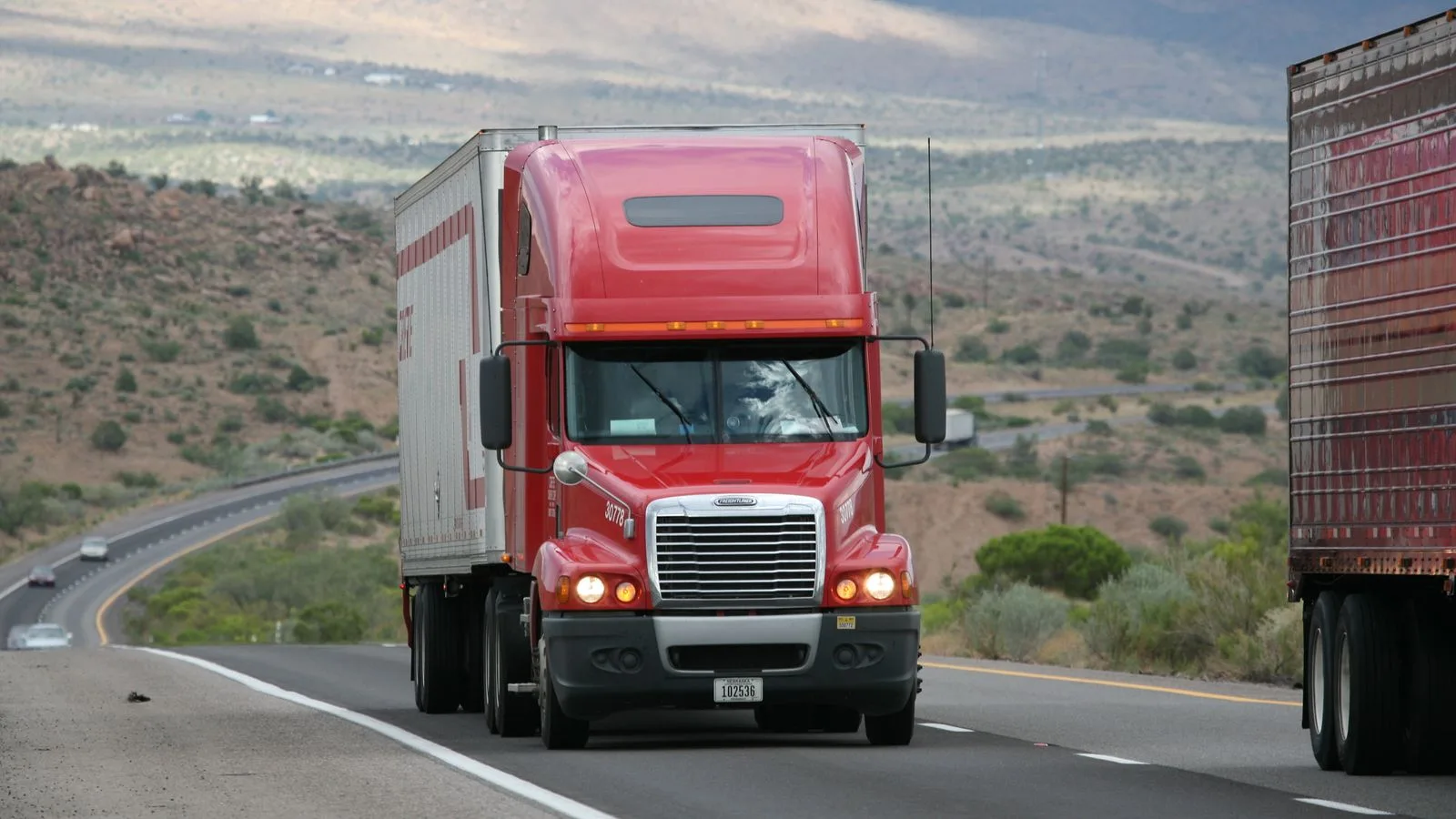
A commercial truck crash in San Antonio is governed by a layered ruleset beyond ordinary Texas negligence: the Federal Motor Carrier Safety Regulations impose hours-of-service limits, electronic logging requirements, and driver-qualification standards on every interstate carrier running the I-10 or I-35 freight corridors. When a tractor-trailer rear-ends a vehicle on I-10 between Boerne and Seguin, the trucking company and its regulated records — ELD logs, ECM downloads, and driver qualification files — are at the center of the case alongside Texas respondeat superior doctrine. The two-year statute under § 16.003 governs, but the practical evidence deadline is far shorter: most carrier records cycle out in weeks, making a preservation letter within the first few days essential. Bexar County district courts at the Justice Center on Dolorosa Street handle these filings, though a carrier headquartered outside Texas can open alternative-venue analysis under § 15.002.
Why San Antonio cases are different
I-10 carries the bulk of long-haul freight across San Antonio between Houston and El Paso, and I-35 runs the Mexico-to-Midwest column. Most serious 18-wheeler intake originates on I-10 between Boerne and Seguin, where heavy commercial traffic meets the metro's stacked rush-hour slowdowns.
Federal rules govern the freight tractor on I-10
A loaded tractor-trailer running I-10 through San Antonio answers to the Federal Motor Carrier Safety Administration, not just Texas traffic law. The FMCSA dictates hours-of-service limits, electronic logging device records under 49 C.F.R. Part 395, post-accident drug and alcohol testing under Part 382, vehicle inspection and maintenance, and cargo securement. After a serious crash, those records are the case. The electronic control module can show a tractor traveling well above prevailing flow speed with no braking until the last second; ELD data can expose a driver past the eleven-hour limit; the qualification file can reveal a driver the carrier never should have hired. Most of this data lives on retention schedules measured in days or weeks. We issue a federal spoliation-preservation letter within the first seventy-two hours covering the ECM download, the driver logs, the qualification file, and the cab and forward-facing camera footage before the routine cycle erases it.
Reaching the carrier and choosing the right venue
Texas lets you reach the motor carrier itself, which matters because the company holds the real insurance. A carrier is vicariously liable for a driver acting in the course and scope of employment and directly liable for negligent hiring, training, retention, or supervision, and for dispatch schedules that push hours-of-service violations. Commercial policies on interstate freight run far above private-auto minimums, so the recovery scale differs from an ordinary collision. Venue is the early strategic question on the I-10 freight corridor. A wreck inside Bexar County is naturally filed at the Justice Center downtown, but a carrier headquartered in Dallas or out of state opens alternative-venue analysis under Section 15.002, where suit can be proper where the events occurred or where the defendant maintains its principal place of business. Bexar is often the right choice, but not always, and the analysis materially affects valuation.
More in San Antonio
Other ways we help San Antonio injury victims.




Frequently asked
San Antonio truck accident questions
- Commercial-truck files run on a different evidence playbook than passenger crashes. Within the first few days we send a federal preservation letter covering the ECM download, hours-of-service records under Part 395, the driver qualification file, post-accident drug and alcohol testing under Part 382, the cab and forward-facing camera footage, and the dispatch and load records. Most of that data sits on retention schedules of days or weeks, so by six months much of it is gone.
- The driver rarely carries enough insurance for a catastrophic I-10 crash, and the carrier does. Texas makes the company vicariously liable for a driver on the job and directly liable for negligent hiring, training, retention, or supervision and for scheduling that forces fatigue violations. Interstate freight policies run far above auto minimums. We identify every corporate entity in the lease and operating chain so the right defendants are named.
- An early offer made within days of a serious crash is usually built to close the file before the full injury picture forms. Fast ER discharges from downtown trauma settings often miss the disc or ligament injury that drives long-term value. We route clients into appropriate follow-up imaging quickly and pair corrected diagnoses with the carrier's own electronic records before any number is discussed seriously.
- The Texas two-year statute of limitations under § 16.003 governs, running from the date of the crash. But the practical deadline for preserving evidence is far shorter: ELD logs, ECM data, driver qualification files, and cab camera footage typically cycle out in weeks or months at the carrier level. A preservation letter needs to go out within days of the crash, not months later when you decide to hire an attorney.
- Often yes. Under 49 C.F.R. § 376.12, a carrier operating under its own federal authority remains liable for the conduct of leased owner-operators regardless of the 'independent contractor' label in the lease agreement. We evaluate the operating agreement, the carrier's authority, and the lease terms at intake because the contractor label is a common carrier defense that does not always hold up under the federal regulations.
- A crash inside Bexar County is naturally filed in Bexar County district court at the Justice Center on Dolorosa Street, where random assignment delivers one of roughly a dozen civil district courts. If the carrier is headquartered in another Texas county or out of state, we run a § 15.002 venue analysis early, because the choice of venue affects jury composition, trial timing, and ultimately the case's valuation.
Where we work from
Downtown Austin. San Antonio clients welcome.
Our office is in downtown Austin; we represent San Antonio-area clients statewide and travel to San Antonio for case-specific needs (scene visits, medical-records consultations, court appearances). Home and hospital visits when injuries make travel difficult.
Talk to a San Antonio truck accident lawyer.
Free case review, no obligation. We'll tell you straight whether we can help.