
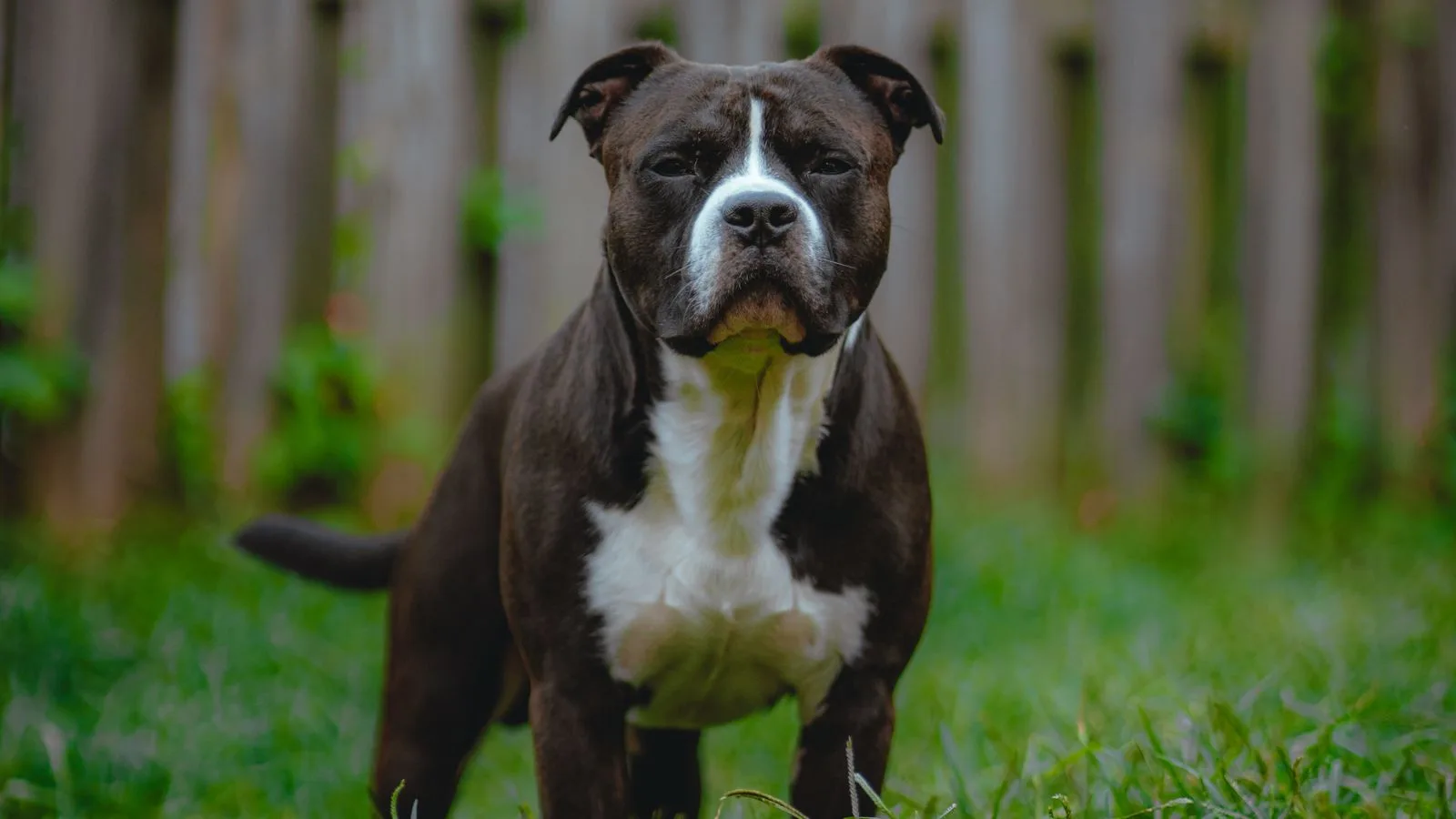
Baytown · Dog Bite
Baytown Dog Bite Lawyer
A dog-bite case in Baytown proceeds under Texas common law, which holds an owner strictly liable when they knew or had reason to know the animal had dangerous propensities — the one-bite principle from Marshall v. Ranne — or under ordinary negligence when the owner failed to reasonably control an animal that then attacked someone. Baytown's residential areas, apartment complexes, and parks all provide the typical settings where these attacks occur, and the owner's knowledge of prior aggressive behavior is usually the threshold question. The two-year statute under Tex. Civ. Prac. & Rem. Code § 16.003 applies, tolled for child victims until age 18. Recovery usually flows through the owner's homeowner or renter insurance, so confirming coverage and checking breed exclusions is an early step.
Why Baytown cases are different
A serious dog bite in Baytown, often to a child's face or an adult's hands and arms, is handled under Texas owner-liability and negligence law, with the recovery frequently coming through the dog owner's homeowner or renter insurance rather than the owner's own pocket.
Texas owner liability: the one-bite rule and negligence
Texas does not impose blanket strict liability on dog owners. Instead, a bite victim generally proceeds on two theories. The first is the "one-bite" rule, which holds an owner liable when they knew or should have known the dog had dangerous propensities: a prior bite, aggressive behavior, or warnings the owner ignored. The second is ordinary negligence, where the owner failed to use reasonable care to control or restrain the animal, such as letting a dog roam off-leash or leaving a gate open. For a Baytown bite, building the case means establishing the dog's history and the owner's knowledge: prior complaints, animal-control records, veterinary or behavioral history, and witness accounts of how the dog was kept. Negligence per se can also apply where a local leash or restraint ordinance was violated, which adds a separate path to proving the owner fell short of the standard of care.
Severe and facial injuries and where the coverage comes from
Dog bites produce wounds out of proportion to the size of the animal: deep puncture and crush injuries, nerve damage, and facial lacerations that often need plastic-surgical repair, with children disproportionately bitten in the face and head. The most serious cases follow the regional trauma pattern, with severe wounds and reconstruction handled at Houston-area specialists after initial care at a Baytown hospital, and the full course — infection risk, scarring revision, and any psychological treatment — develops over time rather than at the first visit. On the coverage side, dog-bite claims are usually paid under the owner's homeowner or renter insurance, which typically includes liability coverage for injuries the household's animal causes. Identifying the right policy, confirming the dog is not excluded by breed or prior-incident endorsements, and documenting the full long-term injury picture are what determine whether a child's facial-scar case is valued for the lifetime impact it actually carries.
More in Baytown
Other ways we help Baytown injury victims.




Frequently asked
Baytown dog bite questions
- Often yes. You can recover by showing the owner knew or should have known the dog was dangerous — the one-bite rule — or that the owner was negligent in controlling the animal, such as letting it roam or leaving a gate open. Violating a local leash ordinance can also support liability. The dog's history and the owner's knowledge are central, so animal-control records and prior complaints matter.
- Usually the dog owner's homeowner or renter insurance, which typically includes liability coverage for injuries the household's animal causes. We confirm the policy exists and check for breed exclusions or prior-incident endorsements that could limit coverage. Identifying the correct policy early matters, especially for a child's facial-injury claim where the long-term value depends on documenting scarring and future care.
- Facial and head wounds, common in children because of their height relative to a dog, often require plastic-surgical repair and may need scar-revision surgery as the child grows, plus treatment for the psychological impact. The full value is not visible at the first ER visit; it develops over months and years. Documenting that long-term course is what allows the claim to reflect the lifetime impact rather than just the initial wound.
- Yes, if the complex had actual knowledge of the dog's dangerous propensities and the legal ability to act — by enforcing pet policies, requiring removal, or evicting the tenant — and failed to do so. Prior complaints to management, incident reports, and any written communication about the dog's behavior are what establish the complex's knowledge. The complex's commercial general liability policy, not just the tenant's renter insurance, is typically what provides meaningful coverage in those cases.
- The two-year statute under Tex. Civ. Prac. & Rem. Code § 16.003 is tolled for minor victims until they turn 18, meaning the child would have until age 20 to file. However, evidence — animal-control records, prior complaints, the dog owner's policy — does not preserve itself, and waiting is not advisable even though the legal deadline is extended. Filing or settling while the evidence is fresh and the witnesses are available protects the value of the claim.
- A business that keeps or allows a dog on its premises owes a duty to customers and invitees to prevent the animal from causing harm. If the business knew the dog had dangerous propensities and failed to control or remove it, the business's commercial general liability policy responds alongside any claim against the individual owner. Initial care at Houston Methodist Baytown Hospital on Garth Road or Altus Baytown Hospital on Decker Drive establishes the injury record; the business's knowledge and control are the liability questions.
Where we work from
Downtown Austin. Baytown clients welcome.
Our office is in downtown Austin; we represent Baytown-area clients statewide and travel to Baytown for case-specific needs (scene visits, medical-records consultations, court appearances). Home and hospital visits when injuries make travel difficult.
Talk to a Baytown dog bite lawyer.
Free case review, no obligation. We'll tell you straight whether we can help.